
Cross-border fees are additional fees applied by card schemes and acquirers when the cardholder country differs from the merchant country. They typically cover the extra scheme costs of routing the transaction across regions and any currency-related risk. The fee can vary by region pair, card product and currency, and is on top of the standard interchange.
Travel payments glossary
Cross-border fees
Fees applied when the cardholder country differs from the merchant country.
Why it matters in travel
Travel is a cross-border industry by nature — UK operators sell into Europe, European operators sell into the UK, DMCs accept payment from agencies across the world. Cross-border fees can quietly become a meaningful cost line, especially on lower-margin product, and routing decisions can change the effective fee.
The cross-border picture changes faster than most travel businesses think. A scheme can reclassify a region pair overnight, a card range can move from domestic to cross-border in the middle of a campaign, and a single change to a default currency can quietly add basis points to every transaction in a brand. Without booking-level visibility, those changes only show up in a year-end margin review.
The opportunity in cross-border is in routing. The same customer might pay the same booking through three different acquirer paths, and the cheapest path can differ by a percentage point or more. Travel businesses that route deliberately, with real data behind the decision, recover meaningful margin without the customer noticing anything different about the checkout.
How felloh helps
felloh surfaces cross-border fee impact at the booking level so travel finance teams can see, by brand, by route, by acquirer, what the cost is and where to optimise.
The Merchant Acquirer and Decline Analysis pages in the dashboard expose cross-border fees against the bookings that drove them, broken down by brand, route, acquirer and currency. Smart routing logic in pay can steer specific cards toward acquirers that handle them more cheaply, and the resulting cost picture is visible at booking level.
For travel CFOs negotiating with acquirers or evaluating routing changes, the conversation starts with real data — per-booking effective rates broken down by region — rather than averages. Cost-recovery decisions are grounded, and the savings show up where they were predicted to.
Where this shows up in finance operations.
Cross-border fees touches more than one workflow at felloh. Start with the pages most travel teams reach for next.
- Financial Operations
Reconciliation, settlement, refunds and protected-funds workflows on one booking-aware ledger.
Explore - Automate Reconciliation
Bulk settlements unpacked to fees, refunds and chargebacks; bank transfers matched without references to chase.
Explore - Know Your Cash Position
See received, protected, committed and available cash by booking — without rebuilding the picture from exports.
Explore
More on travel finance operations.
Real-world context from the felloh team and customers, written for travel finance and operations.
 Insights
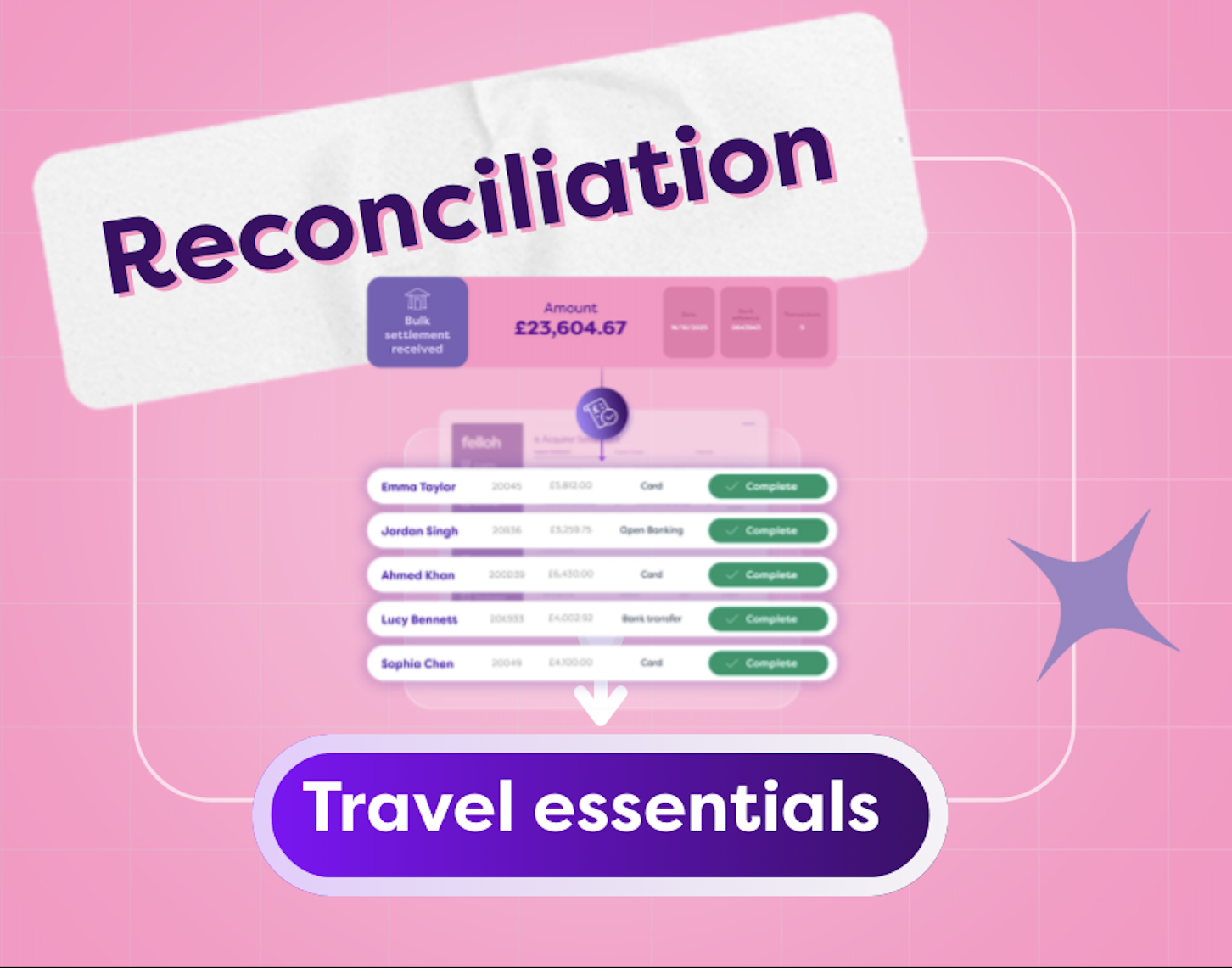
Reconciliation: What it is and why your Travel Business needs it
Why travel operators see a gap between sales records and the bank balance — and the basics of reconciling payments back to bookings.
Read article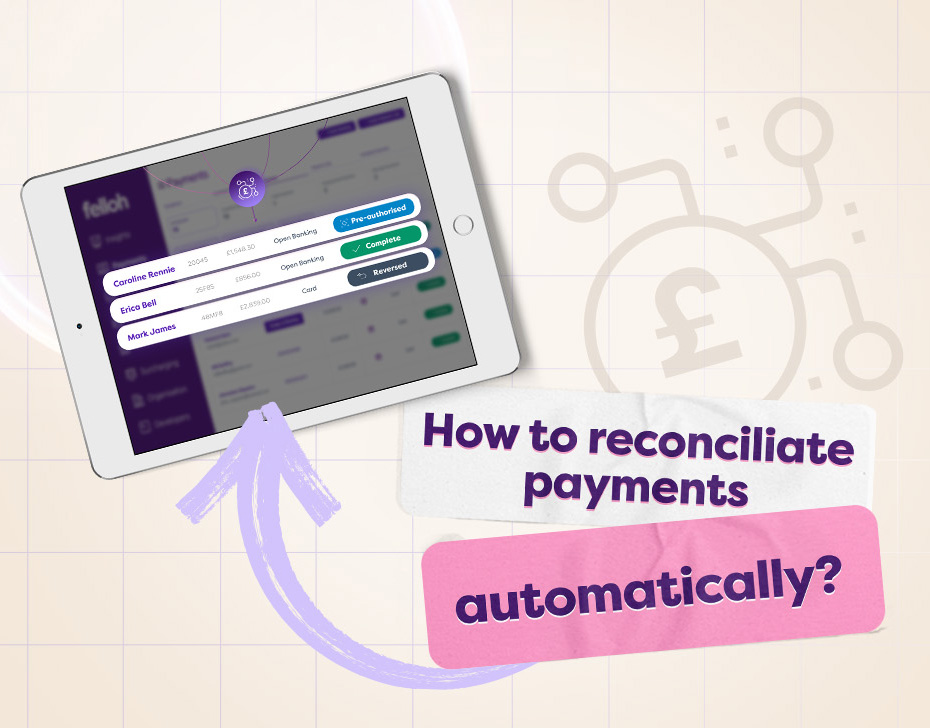 Updates
Card Payment and Bank Transaction Reconciliation Made Easy for Travel pros
With felloh we make reconciliation of card payments and bank transactions simple.
Read article
Connect the dots.
See how payments, settlement, refunds and reporting evidence connect around every booking.