
Dynamic Currency Conversion (DCC) is the option offered to a cardholder to pay in their own home currency rather than the merchant’s currency at the point of sale. The conversion is done by the merchant or their DCC provider using a rate that includes a mark-up over the wholesale rate, with the merchant typically earning a share of the FX margin. Schemes regulate how the choice has to be presented to the customer.
Travel payments glossary
Dynamic Currency Conversion (DCC)
Offering the customer to pay in their home currency at the point of sale.
Why it matters in travel
Travel businesses see DCC most often at hotels, attractions and on-tour retail where an inbound customer wants to see the price in their own currency. DCC can add revenue, but it has to be offered transparently — customers who feel misled have a clear dispute lever.
The economics of DCC are attractive: a hotel showing the room rate in the customer’s home currency at a marked-up rate keeps part of the FX margin without raising the underlying price. Done at scale across an inbound season, the revenue is material. Done without transparency, the same revenue arrives with disputes attached and reputation costs that outlast the season.
The travel businesses that use DCC well present the choice clearly, document it in the receipt and the booking record, and accept the lower take rate that comes with a transparent flow. The businesses that lean into opt-out DCC or default the customer into it find themselves answering complaints to schemes and regulators who increasingly treat misleading DCC as a consumer-protection issue.
How felloh helps
felloh keeps DCC choice, rate and margin context attached to the booking, so the finance picture shows the impact of DCC by brand and venue without manual extraction.
The Transactions view in the dashboard records the customer’s currency choice, the applied rate and the operator’s share of the FX margin against the booking. Risk Analysis surfaces DCC-related disputes so the practice can be tuned against real customer outcomes rather than assumption.
For travel groups using DCC as a deliberate margin lever — hotel groups, attraction operators, on-tour retail — the picture stops being a black box. Margin lift is visible, dispute exposure is visible, and the trade-off between the two can be managed brand by brand.
Where this shows up in finance operations.
Dynamic Currency Conversion (DCC) touches more than one workflow at felloh. Start with the pages most travel teams reach for next.
- Financial Operations
Reconciliation, settlement, refunds and protected-funds workflows on one booking-aware ledger.
Explore - Automate Reconciliation
Bulk settlements unpacked to fees, refunds and chargebacks; bank transfers matched without references to chase.
Explore - Know Your Cash Position
See received, protected, committed and available cash by booking — without rebuilding the picture from exports.
Explore
More on travel finance operations.
Real-world context from the felloh team and customers, written for travel finance and operations.
 Insights
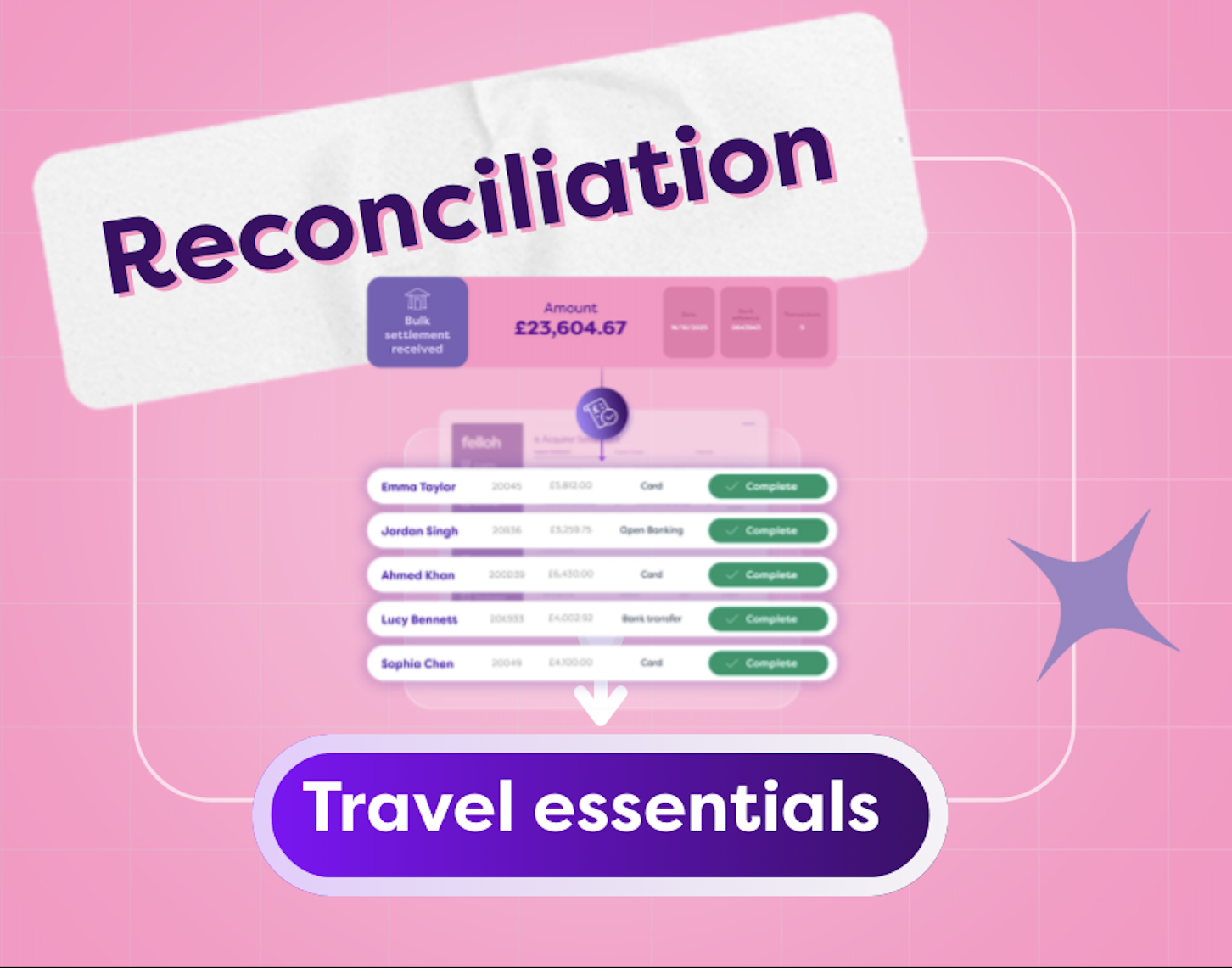
Reconciliation: What it is and why your Travel Business needs it
Why travel operators see a gap between sales records and the bank balance — and the basics of reconciling payments back to bookings.
Read article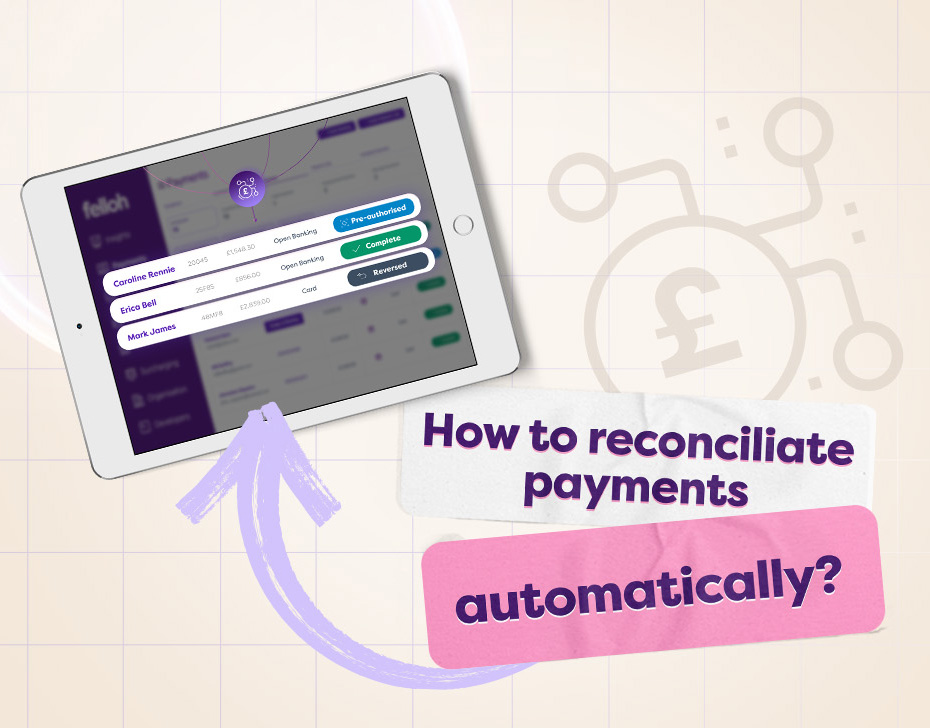 Updates
Card Payment and Bank Transaction Reconciliation Made Easy for Travel pros
With felloh we make reconciliation of card payments and bank transactions simple.
Read article
Connect the dots.
See how payments, settlement, refunds and reporting evidence connect around every booking.