
An exchange rate is the price of one currency in terms of another. In payments, the rate that applies to a given transaction depends on when it is applied (authorisation, capture or settlement), who applied it (issuer, acquirer or FX provider), and whether any mark-up is included over the wholesale rate. Small differences in applied rate produce real margin impact at travel-business scale.
Travel payments glossary
Exchange rate
The price of one currency in terms of another.
Why it matters in travel
Travel margins are exposed to FX in two directions: the rate at which customer payments come in and the rate at which supplier payments go out. Hedging, multi-currency pricing and DCC are all ways of managing that exposure.
A 0.5% FX mark-up on the way in and another on the way out is a percentage point of margin disappearing into rate spread — silently, on every booking that touches a different currency. Travel businesses that watch the applied rate at every step recover that margin; those that accept default rates pay for the gap year after year.
The travel businesses that manage FX well negotiate transparent rates, settle in currencies that match supplier obligations where possible, and surface the cumulative FX impact at the booking level. The businesses that accept default conversion at every step give a slice of margin to providers without realising it.
How felloh helps
felloh keeps applied exchange rates visible alongside each payment and supplier movement, so finance teams can see the cumulative FX impact at the booking level without rebuilding the picture from bank statements.
The Transactions and Settlement views in the dashboard record the applied rate against every cross-currency payment, refund and supplier movement. The Cashflow view rolls up FX impact at brand and route level so the cumulative effect of rate spread is a visible line, not a year-end discovery.
For travel finance teams managing FX exposure across selling and supplier currencies, the picture is finally honest. Hedge decisions get made against real data, supplier-currency settlement aligns with supplier obligations, and FX margin stops being the silent line that erodes brand profitability.
Where this shows up in finance operations.
Exchange rate touches more than one workflow at felloh. Start with the pages most travel teams reach for next.
- Financial Operations
Reconciliation, settlement, refunds and protected-funds workflows on one booking-aware ledger.
Explore - Automate Reconciliation
Bulk settlements unpacked to fees, refunds and chargebacks; bank transfers matched without references to chase.
Explore - Know Your Cash Position
See received, protected, committed and available cash by booking — without rebuilding the picture from exports.
Explore
More on travel finance operations.
Real-world context from the felloh team and customers, written for travel finance and operations.
 Insights
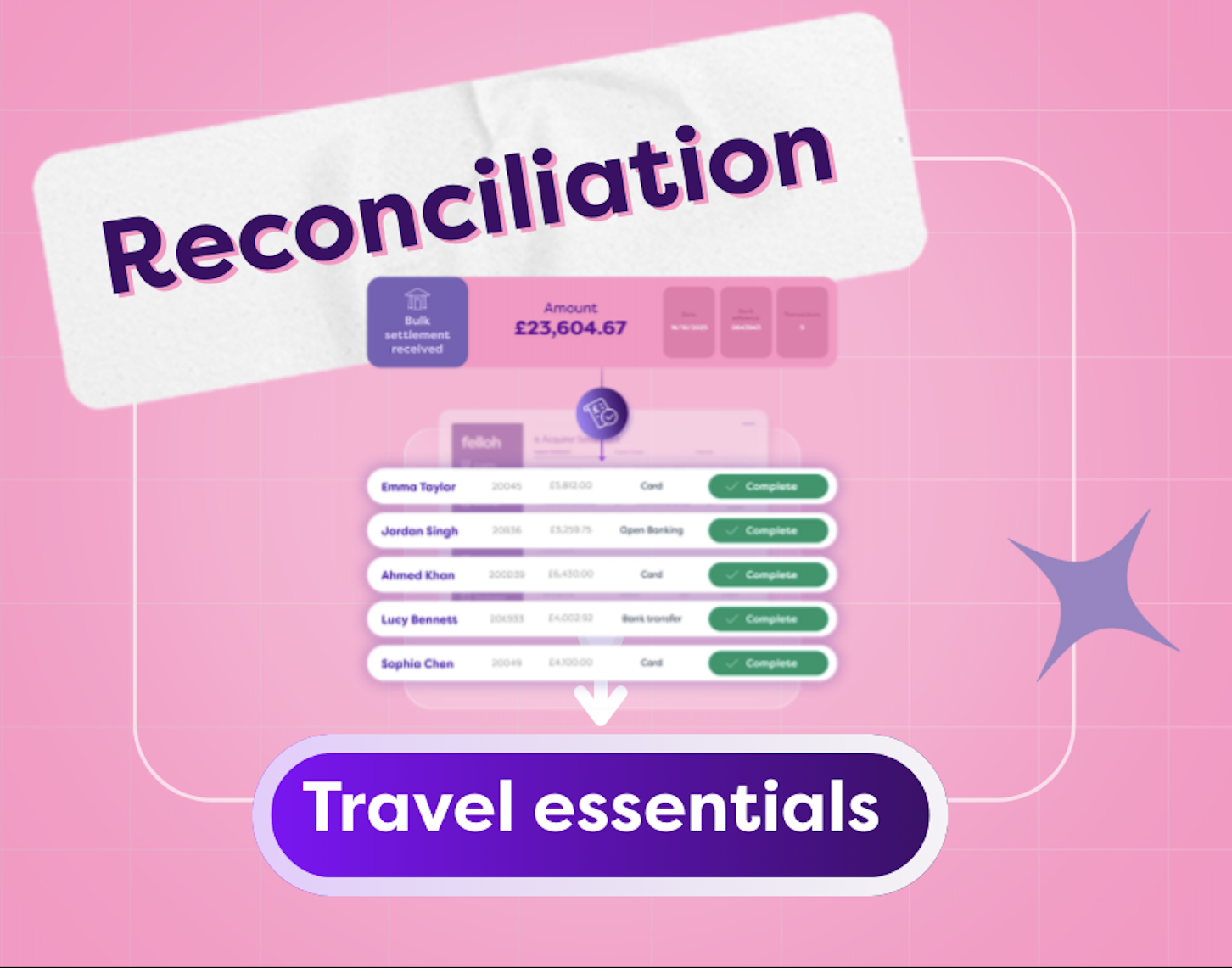
Reconciliation: What it is and why your Travel Business needs it
Why travel operators see a gap between sales records and the bank balance — and the basics of reconciling payments back to bookings.
Read article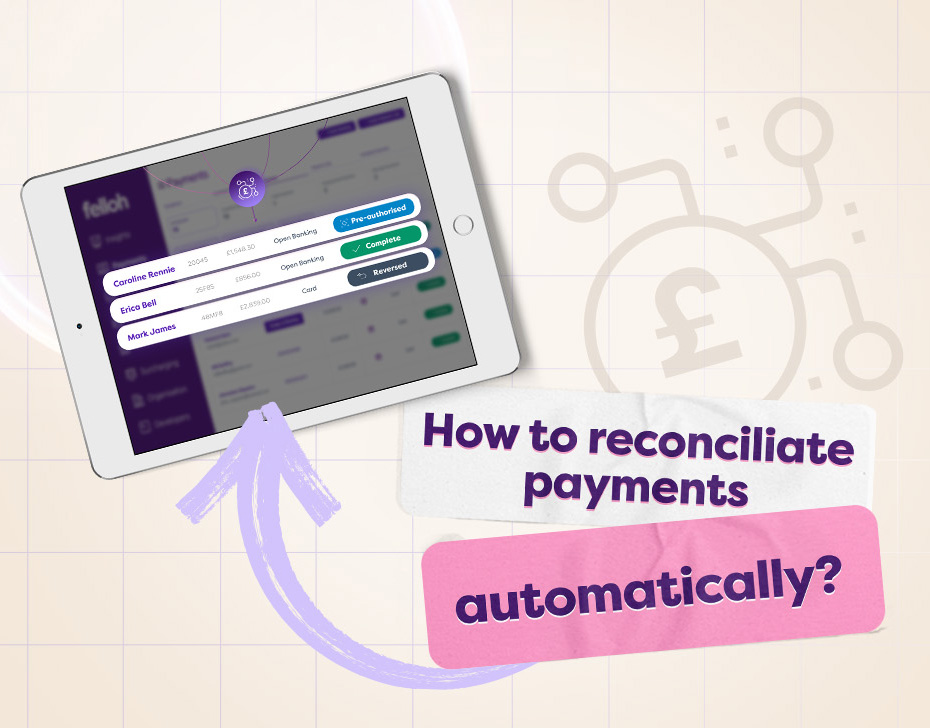 Updates
Card Payment and Bank Transaction Reconciliation Made Easy for Travel pros
With felloh we make reconciliation of card payments and bank transactions simple.
Read article
Connect the dots.
See how payments, settlement, refunds and reporting evidence connect around every booking.