
Multi-currency pricing is the practice of presenting and capturing prices in multiple currencies rather than a single base currency, allowing customers to see and pay in their preferred currency. It differs from DCC in that the currency choice is made and managed by the merchant, not offered at the point of sale. Settlement can be in the original currency or converted into a base settlement currency on the merchant side.
Travel payments glossary
Multi-currency pricing
Presenting and capturing prices in multiple currencies rather than a single base currency.
Why it matters in travel
Travel businesses serving international markets benefit from multi-currency pricing because it improves conversion and removes the perceived FX risk for the customer. The trade-off is the operational work of managing prices, settlement and refunds across multiple currencies cleanly.
A customer paying in their own currency converts at higher rates than one shown a foreign currency at checkout — the data is consistent across travel. The hidden work is in pricing strategy: when a single product sells across five currencies, the rates the operator publishes have to keep up with FX moves without exposing the margin to currency risk.
Travel businesses with mature multi-currency programs reprice on a deliberate schedule, settle in currencies that match supplier obligations where possible, and surface the FX impact at the booking level so finance can see where margin moved. The businesses that bolt multi-currency on without these mechanics often discover they are subsidising their own conversion rate.
How felloh helps
felloh handles multi-currency pricing, payment and settlement at the booking level so the finance picture stays consistent regardless of which currencies a brand sells in.
The pay checkout supports presenting prices in the customer’s currency, and the dashboard’s Settlement and Transactions views record the selling currency, settlement currency and applied FX rate against the booking. The Cashflow view rolls multi-currency activity up so finance sees the FX impact at brand level without manual extraction.
For travel businesses pricing in five currencies but settling in two, the operational complexity stays manageable. Multi-currency pricing becomes a conversion strategy rather than a finance burden, and margin held in each currency is a deliberate position.
Where this shows up in finance operations.
Multi-currency pricing touches more than one workflow at felloh. Start with the pages most travel teams reach for next.
- Financial Operations
Reconciliation, settlement, refunds and protected-funds workflows on one booking-aware ledger.
Explore - Automate Reconciliation
Bulk settlements unpacked to fees, refunds and chargebacks; bank transfers matched without references to chase.
Explore - Know Your Cash Position
See received, protected, committed and available cash by booking — without rebuilding the picture from exports.
Explore
More on travel finance operations.
Real-world context from the felloh team and customers, written for travel finance and operations.
 Insights
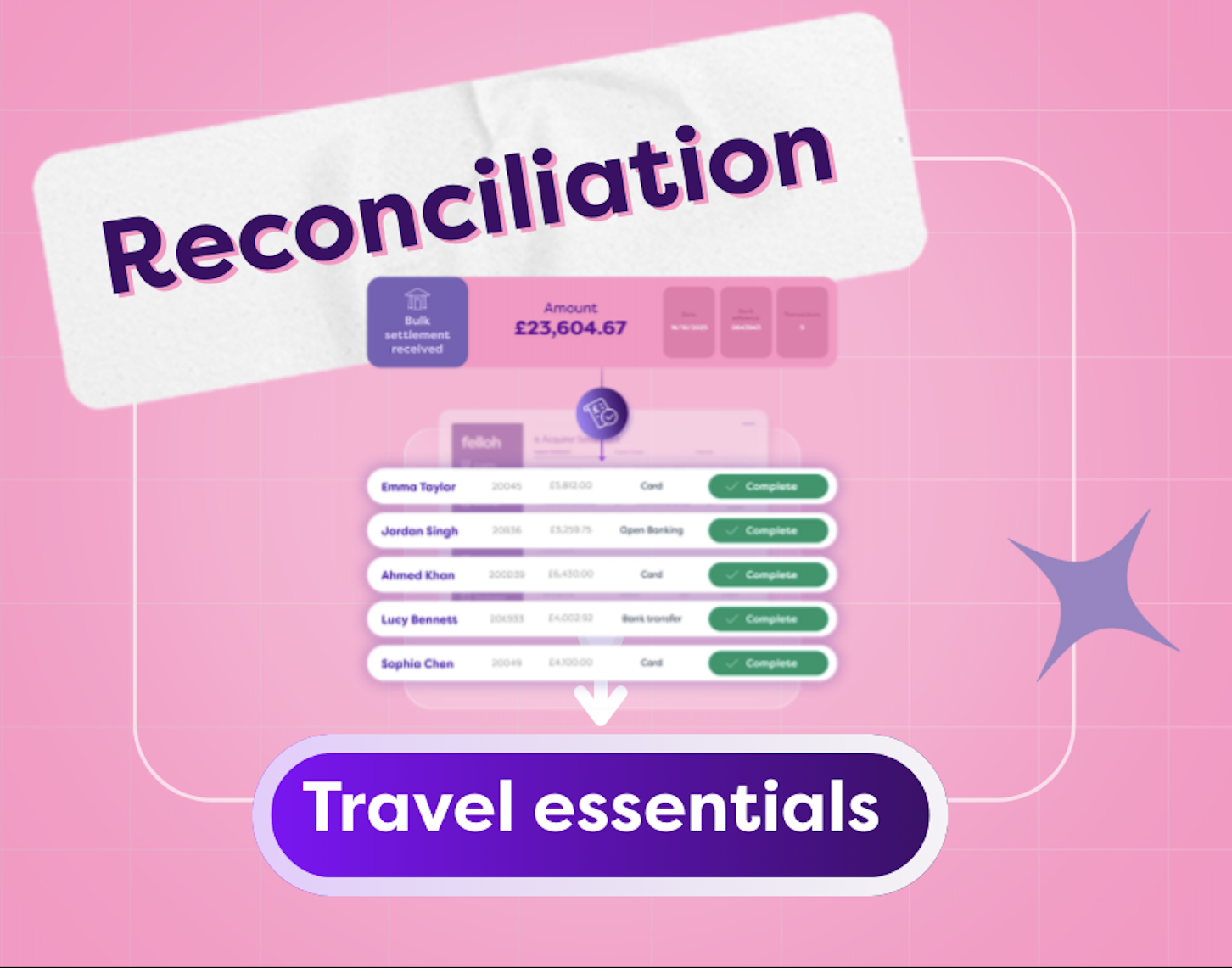
Reconciliation: What it is and why your Travel Business needs it
Why travel operators see a gap between sales records and the bank balance — and the basics of reconciling payments back to bookings.
Read article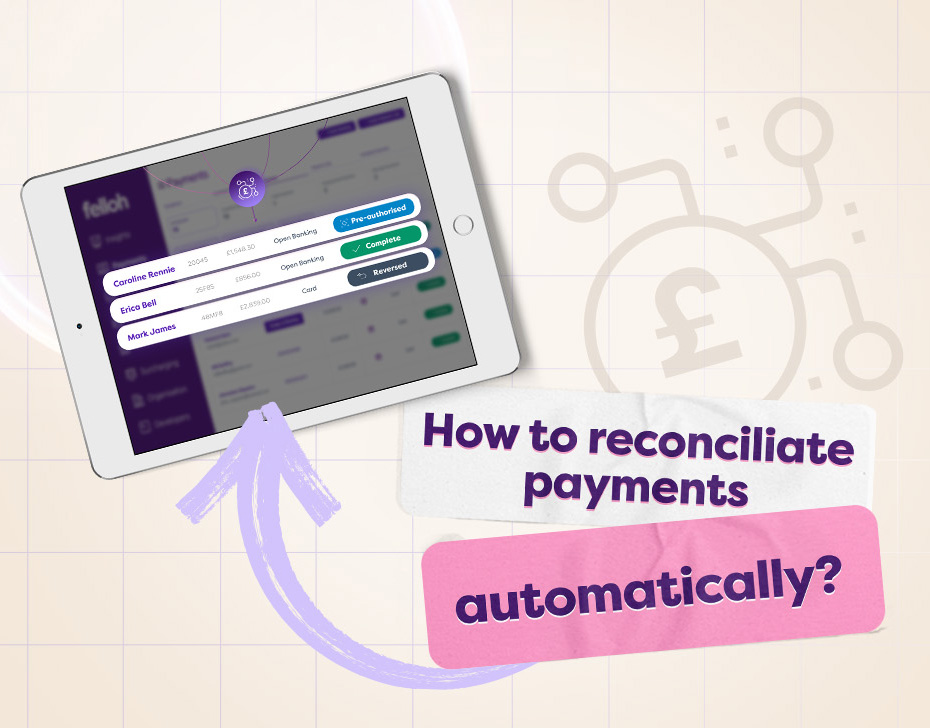 Updates
Card Payment and Bank Transaction Reconciliation Made Easy for Travel pros
With felloh we make reconciliation of card payments and bank transactions simple.
Read article
Connect the dots.
See how payments, settlement, refunds and reporting evidence connect around every booking.