
Interchange is the fee paid by the acquirer to the issuer on each card transaction, set by the card scheme and grouped by transaction type, card product, region and channel. It is the largest single component of card-processing cost in most regions and is largely outside merchant control. Interchange tables run to hundreds of rates and are updated regularly by the schemes.
Travel payments glossary
Interchange fee
A fee paid by the acquirer to the issuer on each card transaction, set by the scheme.
Why it matters in travel
Travel-payment cost is sensitive to interchange because the booking mix often includes high-value, commercial-card and cross-border transactions that fall into higher-interchange categories. Optimising for the right rate category — by qualifying authentication, capturing the right data fields, settling in the right currency — can move the effective rate meaningfully.
Interchange feels uncontrollable because the rates are set by schemes, but the category a transaction falls into is often within merchant control. Authenticated transactions, properly enriched commercial-card data, the right currency choice and clean settlement routing can all push transactions into lower-cost categories. A travel business not paying attention to these levers is paying full rate by default.
The teams that get this right read the per-booking interchange impact and tune the payment journey against it. The teams that do not assume the headline acquirer rate is the whole story, miss the category drift over time, and discover at year-end that cost has crept up by half a percentage point on tens of millions of pounds of volume.
How felloh helps
felloh exposes interchange impact at the booking level so travel finance can see the cost picture by brand, by card product and by channel and feed real evidence into acquirer negotiations.
The Merchant Acquirer view in the dashboard breaks interchange out from scheme and acquirer margin, exposing the rate category each transaction fell into. Risk Analysis ties interchange impact back to authentication outcomes so the trade-offs between liability shift and cost are visible.
For travel CFOs trying to optimise where interchange lands, the levers — authentication, data enrichment, settlement currency — show their effect in the same dashboard. Acquirer renegotiation and routing decisions are grounded in evidence rather than schedule averages.
Where this shows up in finance operations.
Interchange fee touches more than one workflow at felloh. Start with the pages most travel teams reach for next.
- Financial Operations
Reconciliation, settlement, refunds and protected-funds workflows on one booking-aware ledger.
Explore - Automate Reconciliation
Bulk settlements unpacked to fees, refunds and chargebacks; bank transfers matched without references to chase.
Explore - Know Your Cash Position
See received, protected, committed and available cash by booking — without rebuilding the picture from exports.
Explore
More on travel finance operations.
Real-world context from the felloh team and customers, written for travel finance and operations.
 Insights
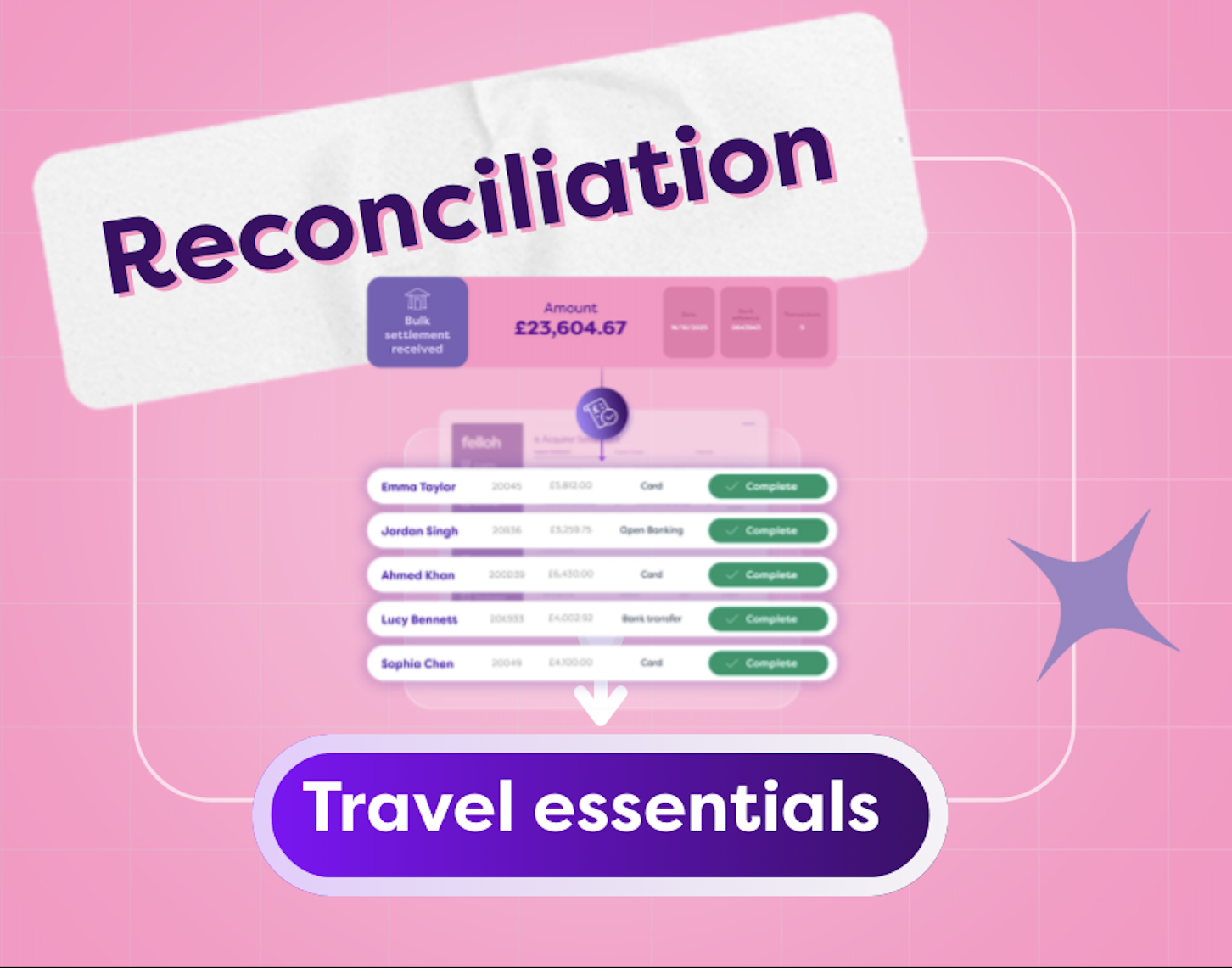
Reconciliation: What it is and why your Travel Business needs it
Why travel operators see a gap between sales records and the bank balance — and the basics of reconciling payments back to bookings.
Read article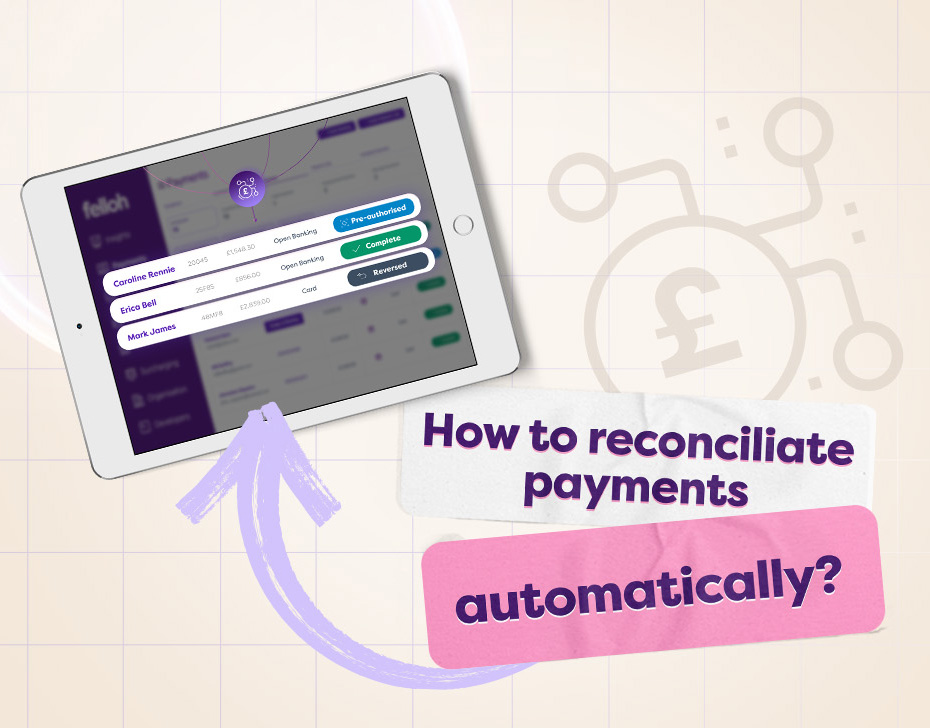 Updates
Card Payment and Bank Transaction Reconciliation Made Easy for Travel pros
With felloh we make reconciliation of card payments and bank transactions simple.
Read article
Connect the dots.
See how payments, settlement, refunds and reporting evidence connect around every booking.