
A fee schedule is the published list of fees an acquirer or processor charges, broken down by transaction type, card product, scheme, region and sometimes channel. It includes interchange, scheme fees, processor margin and any extras such as chargeback fees, gateway fees or PCI assessment fees. Reading a fee schedule properly is the difference between knowing real cost and trusting a headline rate.
Travel payments glossary
Fee schedule
The published list of fees an acquirer or processor charges per transaction type and card product.
Why it matters in travel
Travel finance teams often discover that their effective rate per booking is much higher than the headline because of the mix of card types, regions and transaction kinds. A clear fee schedule, applied to the actual booking mix, is the starting point for any cost negotiation.
A fee schedule looks like a few lines of paper until it is applied to a year’s worth of actual bookings. Then the picture changes: commercial cards turn out to make up more of the mix than expected, cross-border transactions cost twice the headline rate, chargeback fees add up to a five-figure annual cost. The schedule has to be read against real data, not skimmed at signature.
The travel teams that negotiate well start every conversation with a per-booking effective rate, broken down by card type, region and channel. The teams that do not negotiate on headline rate alone and accept the cost they cannot quite see.
How felloh helps
felloh maps fee schedules onto the real booking and payment mix so travel teams can see effective cost per booking, per brand and per region, with the breakdown that supports a conversation with the acquirer.
The Merchant Acquirer view in the dashboard breaks settlement files down into per-booking fees against the fee schedule, so the effective rate is visible at booking, brand and region level. Decline Analysis ties the fee picture back to acceptance so the cost-versus-conversion trade-off is measurable.
For travel CFOs preparing for acquirer renegotiation, the case is built before the meeting starts. Effective rate, mix impact, cross-border share and chargeback cost are all visible at the level the acquirer will negotiate against — no manual extraction required.
Where this shows up in finance operations.
Fee schedule touches more than one workflow at felloh. Start with the pages most travel teams reach for next.
- Financial Operations
Reconciliation, settlement, refunds and protected-funds workflows on one booking-aware ledger.
Explore - Automate Reconciliation
Bulk settlements unpacked to fees, refunds and chargebacks; bank transfers matched without references to chase.
Explore - Know Your Cash Position
See received, protected, committed and available cash by booking — without rebuilding the picture from exports.
Explore
More on travel finance operations.
Real-world context from the felloh team and customers, written for travel finance and operations.
 Insights
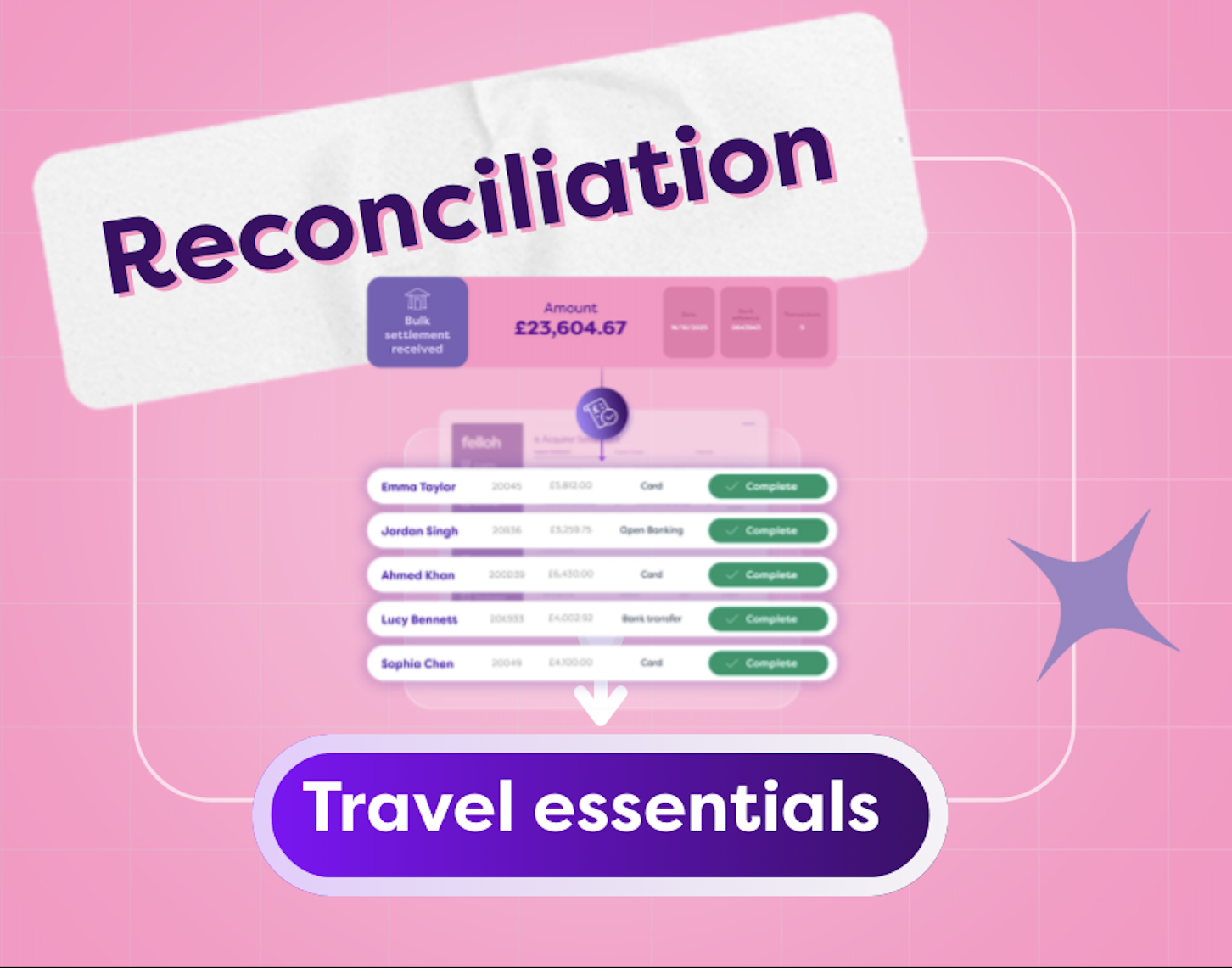
Reconciliation: What it is and why your Travel Business needs it
Why travel operators see a gap between sales records and the bank balance — and the basics of reconciling payments back to bookings.
Read article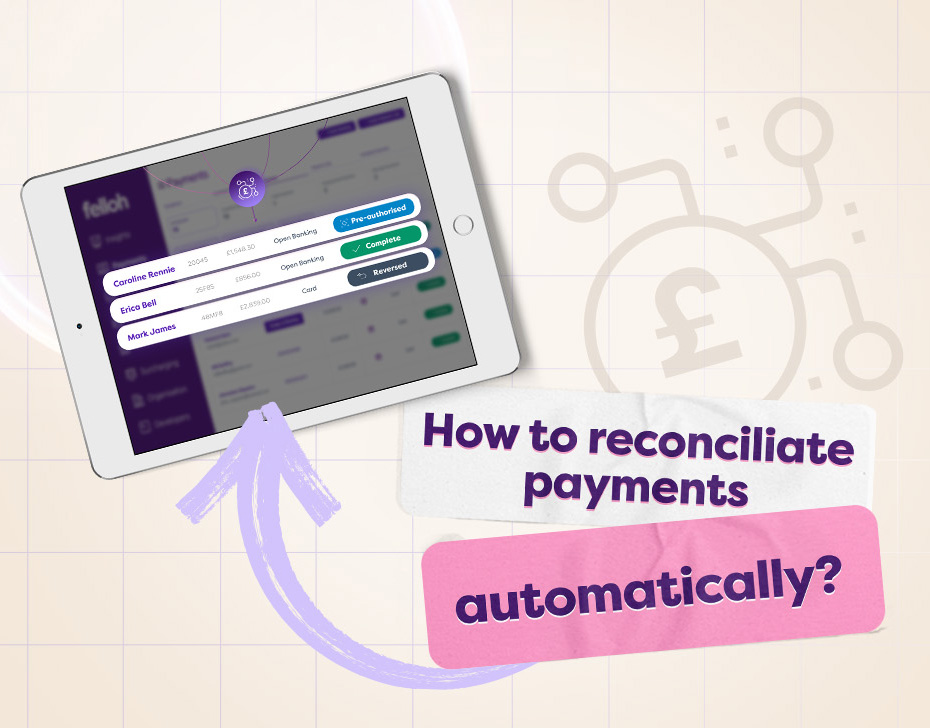 Updates
Card Payment and Bank Transaction Reconciliation Made Easy for Travel pros
With felloh we make reconciliation of card payments and bank transactions simple.
Read article
Connect the dots.
See how payments, settlement, refunds and reporting evidence connect around every booking.