
The Merchant Discount Rate is the total fee a merchant pays per card transaction, usually expressed as a percentage of the transaction value plus a flat per-transaction component. It bundles interchange, scheme fees and the acquirer’s margin into one number, and is the headline rate most often quoted in commercial conversations. The effective MDR per booking depends on the mix of card products, regions and channels.
Travel payments glossary
Merchant Discount Rate (MDR)
The total fee a merchant pays per card transaction, expressed as a percentage of value.
Why it matters in travel
In travel, the headline MDR is rarely the whole story — high-value bookings, cross-border cards and commercial cards all push the effective rate higher than the headline. Watching effective MDR by brand and by route is the basis of any cost-reduction work.
A single percentage point on MDR sounds small until it is multiplied by an annual card volume that runs into the tens of millions. Travel margins do not absorb percentage points easily, especially on third-party product where the gross margin is already in single digits. The same booking effectively costs the business twice — once at deposit, once at balance — and if both legs route through a higher-rate category the cumulative drag is real.
The teams that get MDR right do it by reading their own data, not the acquirer’s marketing material. They know which BIN ranges, which currencies and which markets push them into expensive categories, and they negotiate against that evidence. The teams that get it wrong sign a headline rate, never check the effective rate per booking, and only notice the gap when net margin starts moving the wrong way.
How felloh helps
felloh exposes effective MDR at the booking level so travel finance teams can see where cost actually lands and use real evidence in acquirer negotiations.
The Merchant Acquirer view in the dashboard exposes the effective MDR per booking, with the breakdown across interchange, scheme and acquirer margin. Risk Analysis ties cost back to acceptance so the trade-off between cheaper rates and higher decline ratios is visible.
For travel CFOs preparing for renewal, the picture is comprehensive. Effective rate by brand, by region, by card product is one click away, and the negotiation starts on the operator’s terms rather than the acquirer’s.
Where this shows up in finance operations.
Merchant Discount Rate (MDR) touches more than one workflow at felloh. Start with the pages most travel teams reach for next.
- Financial Operations
Reconciliation, settlement, refunds and protected-funds workflows on one booking-aware ledger.
Explore - Automate Reconciliation
Bulk settlements unpacked to fees, refunds and chargebacks; bank transfers matched without references to chase.
Explore - Know Your Cash Position
See received, protected, committed and available cash by booking — without rebuilding the picture from exports.
Explore
More on travel finance operations.
Real-world context from the felloh team and customers, written for travel finance and operations.
 Insights
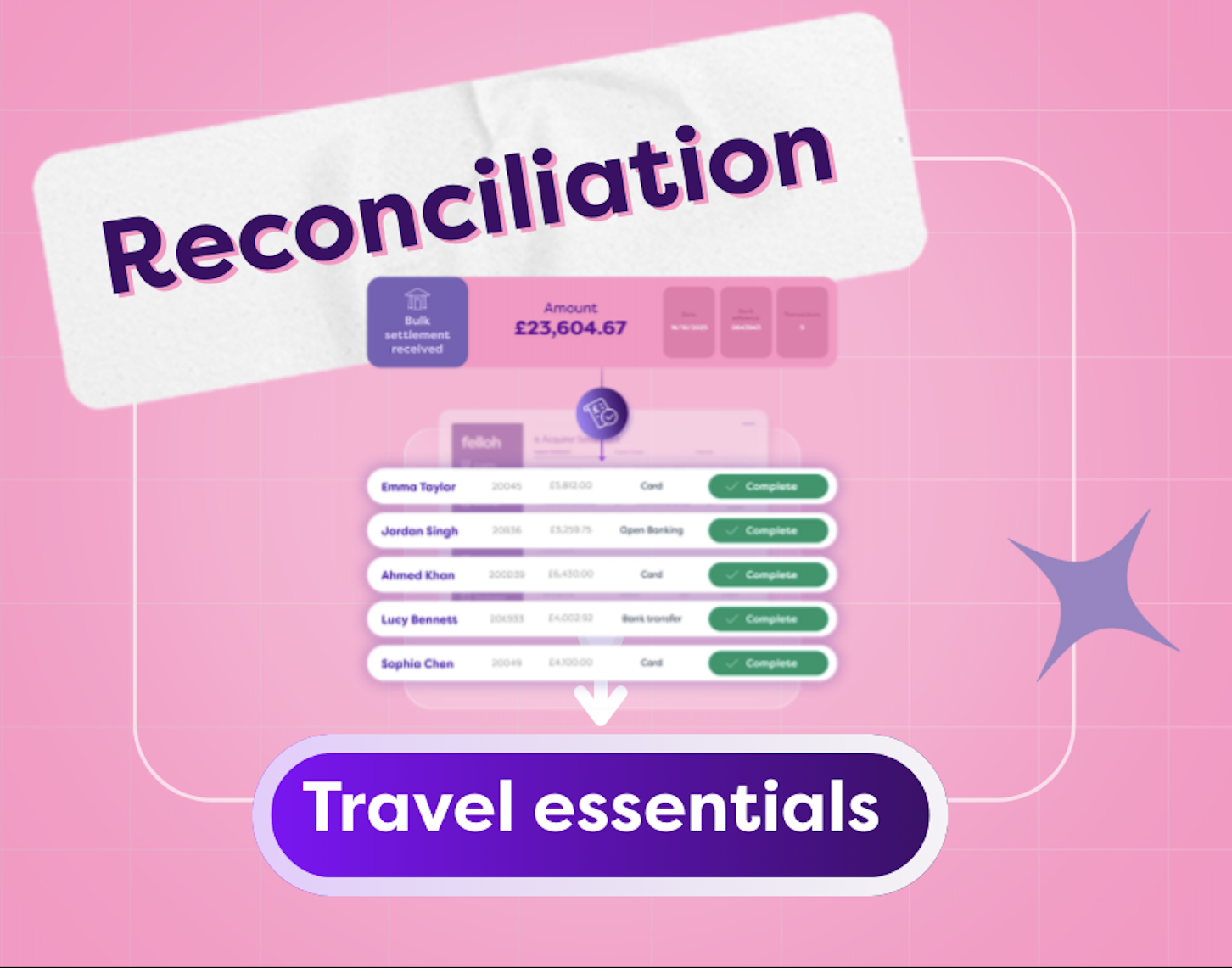
Reconciliation: What it is and why your Travel Business needs it
Why travel operators see a gap between sales records and the bank balance — and the basics of reconciling payments back to bookings.
Read article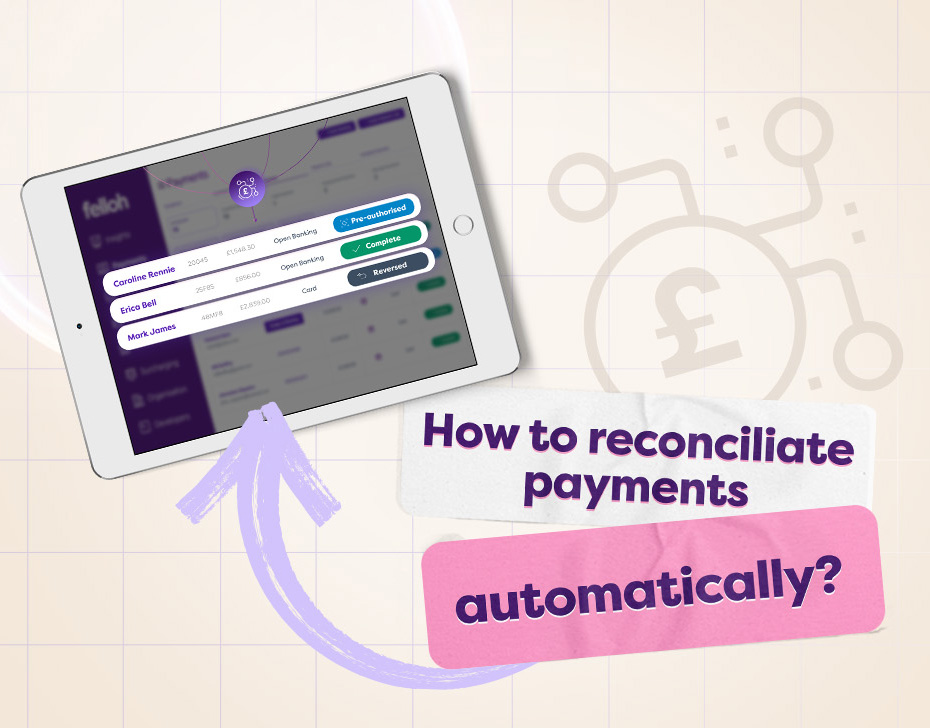 Updates
Card Payment and Bank Transaction Reconciliation Made Easy for Travel pros
With felloh we make reconciliation of card payments and bank transactions simple.
Read article
Connect the dots.
See how payments, settlement, refunds and reporting evidence connect around every booking.