
A card scheme is the network that connects issuers, acquirers and merchants for a given card brand — Visa, Mastercard, American Express, Discover, JCB and so on. Schemes define the operating rules, interchange categories, dispute processes and authentication requirements that apply to all cards on their network. They charge scheme fees on each transaction and govern the lifecycle of acceptance, refund and chargeback.
Travel payments glossary
Card scheme
The card network, such as Visa or Mastercard, that sets rules and routes card transactions.
Why it matters in travel
Scheme rules shape what travel merchants actually experience: which surcharge models are allowed where, how chargeback reason codes apply to non-refundable bookings, what evidence representment needs, and how authentication liability shifts work. A scheme rule change can ripple through pricing, dispute defence and operational workflows.
A scheme update — a new chargeback monitoring threshold, a tightened representment evidence requirement, a reclassified MCC — can land with weeks of notice and force a travel business to restructure its dispute response, its pricing or its compliance evidence. The schemes do not coordinate updates with travel-business operating cycles.
The travel teams that keep up read scheme bulletins as part of operating rhythm, brief the dispute and operations teams in advance, and adjust booking-level evidence collection so the new requirements are met before they are needed. The teams that do not keep up discover the change retroactively, often after a chargeback they could have defended is lost.
How felloh helps
felloh surfaces scheme-driven costs, dispute outcomes and authentication evidence at the booking level so travel teams can manage the impact of scheme rules without standing up bespoke reporting.
The Merchant Acquirer view in the dashboard breaks out scheme fees against bookings; Decline Analysis filters by scheme so policy changes show up as visible shifts. Risk Analysis and Chargebacks roll up the dispute picture by scheme so scheme-monitoring thresholds are tracked in real time rather than discovered when the acquirer calls.
For travel finance teams adjusting to scheme rule changes — a chargeback monitoring threshold tightening, an authentication exemption changing — the new requirements land in the same dashboard the operations team already uses. No bespoke rebuild, no parallel reporting layer.
Where this shows up in finance operations.
Card scheme touches more than one workflow at felloh. Start with the pages most travel teams reach for next.
- Financial Operations
Reconciliation, settlement, refunds and protected-funds workflows on one booking-aware ledger.
Explore - Automate Reconciliation
Bulk settlements unpacked to fees, refunds and chargebacks; bank transfers matched without references to chase.
Explore - Know Your Cash Position
See received, protected, committed and available cash by booking — without rebuilding the picture from exports.
Explore
More on travel finance operations.
Real-world context from the felloh team and customers, written for travel finance and operations.
 Insights
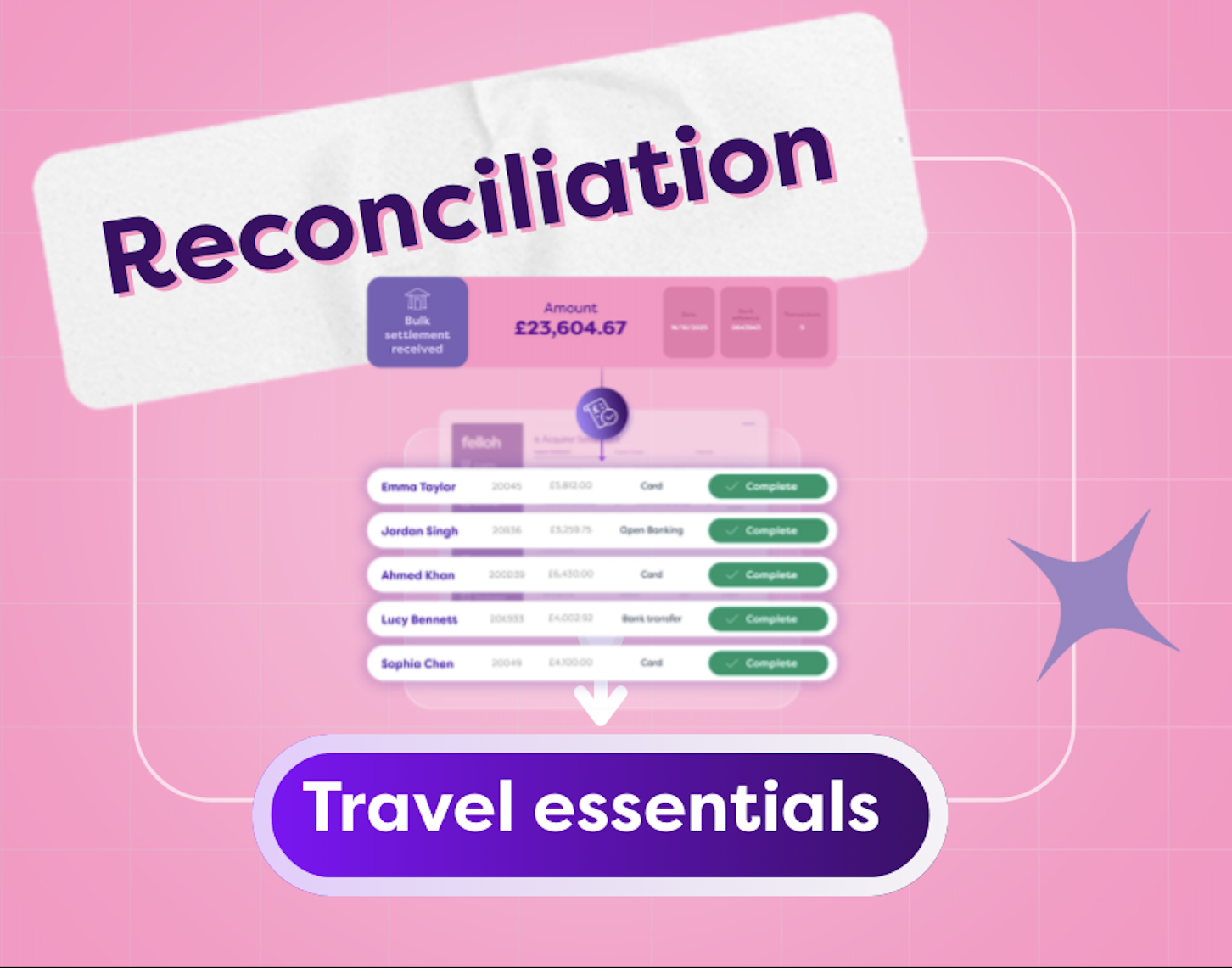
Reconciliation: What it is and why your Travel Business needs it
Why travel operators see a gap between sales records and the bank balance — and the basics of reconciling payments back to bookings.
Read article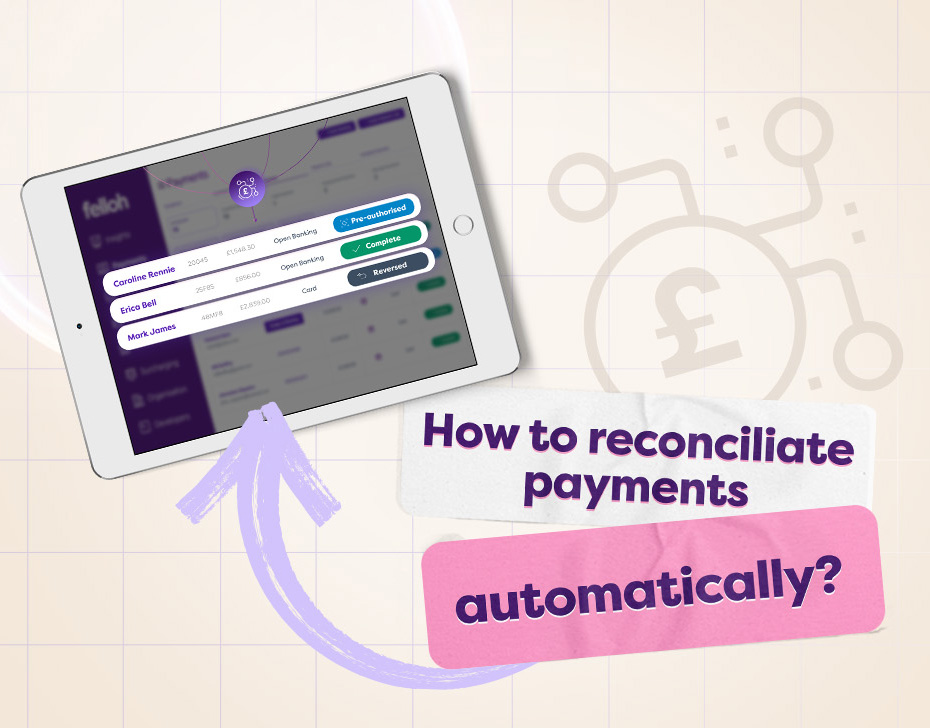 Updates
Card Payment and Bank Transaction Reconciliation Made Easy for Travel pros
With felloh we make reconciliation of card payments and bank transactions simple.
Read article
Connect the dots.
See how payments, settlement, refunds and reporting evidence connect around every booking.