
The issuer is the bank or financial institution that issues a card to a cardholder, maintains the cardholder account, and approves or declines authorisation requests. Issuers also drive authentication challenges, fund accepted chargebacks and play a key role in dispute outcomes. They sit on the other side of the four-party card model from the acquirer.
Travel payments glossary
Issuer
The bank or financial institution that issues a card to a cardholder.
Why it matters in travel
Issuer behaviour shapes acceptance rates, decline patterns, authentication step-up rates and refund timing. Concentrations in specific issuer countries can change the risk and fee picture for a travel business overnight, particularly during inbound or outbound seasonal swings.
A travel brand selling into one or two issuer countries is exposed to anything that issuer-side regulation, policy or product mix shifts. A single major issuer rolling out a stricter authentication rule mid-season can change a brand’s acceptance picture overnight. Without visibility into the issuer mix, the cause looks invisible — the brand just notices conversion has fallen.
The teams that read issuer signals carefully spot trends early and adjust. They notice that a particular issuer is declining more, that an issuer-country shift is changing the fee mix, that authentication step-up rates have moved on a portfolio they thought was stable. The teams that do not pay attention only learn from the topline metric, and by then the recovery is slower.
How felloh helps
felloh keeps issuer-level signals attached to the booking so travel teams can see acceptance patterns, authentication outcomes and dispute history by issuer without standing up a separate analytics stack.
The Decline Analysis page in the dashboard exposes acceptance by issuer; Risk Analysis exposes dispute outcomes by issuer; the Transactions view ties each booking to its issuing bank. The combination means issuer-side rule changes show up as visible shifts in real outcomes rather than as anecdotes in a finance meeting.
For travel businesses with concentrated issuer exposure — particularly to UK or US issuers — that is the difference between learning about a rule change the day it lands and learning about it from a customer-support ticket weeks later.
Where this shows up in finance operations.
Issuer touches more than one workflow at felloh. Start with the pages most travel teams reach for next.
- Financial Operations
Reconciliation, settlement, refunds and protected-funds workflows on one booking-aware ledger.
Explore - Automate Reconciliation
Bulk settlements unpacked to fees, refunds and chargebacks; bank transfers matched without references to chase.
Explore - Know Your Cash Position
See received, protected, committed and available cash by booking — without rebuilding the picture from exports.
Explore
More on travel finance operations.
Real-world context from the felloh team and customers, written for travel finance and operations.
 Insights
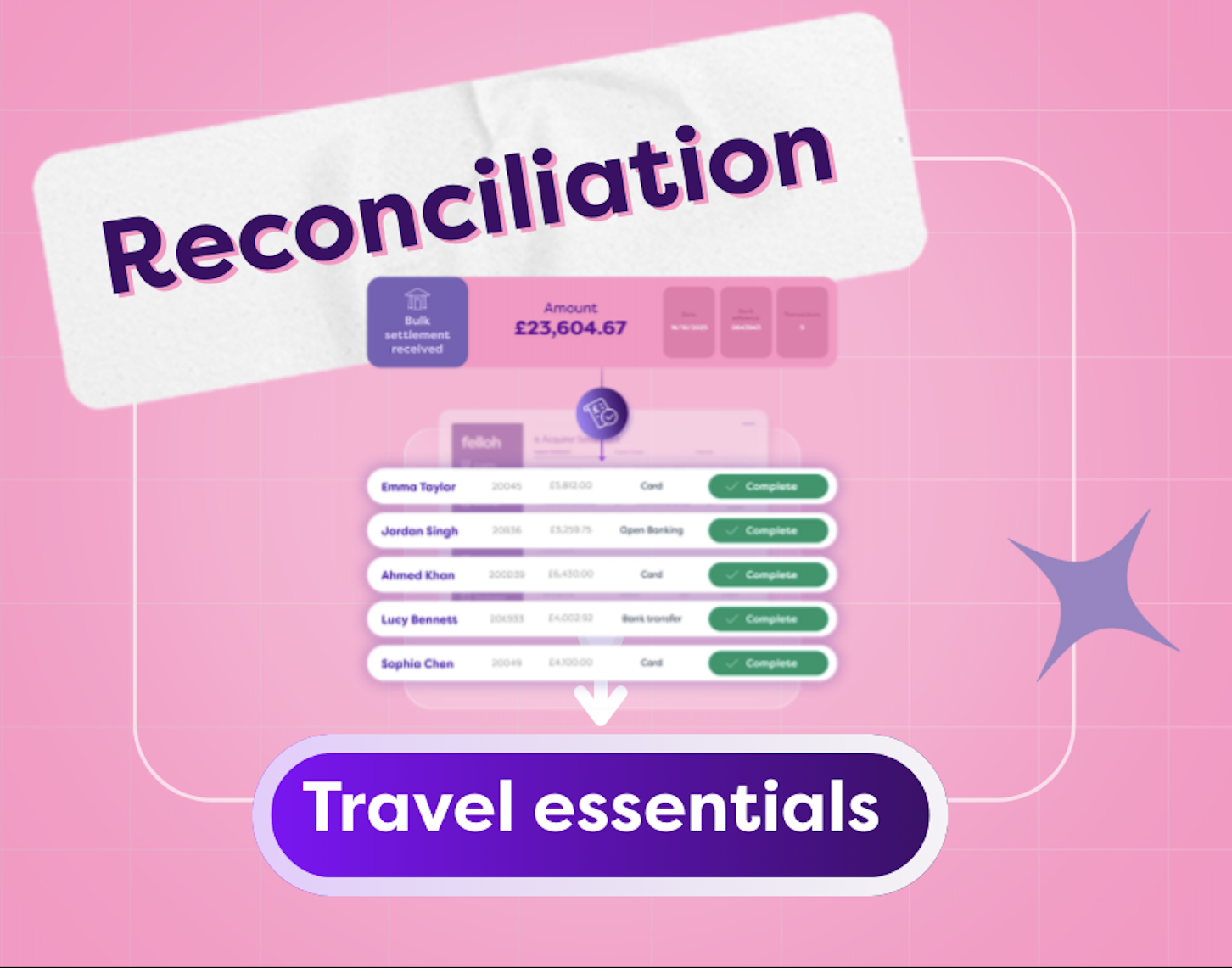
Reconciliation: What it is and why your Travel Business needs it
Why travel operators see a gap between sales records and the bank balance — and the basics of reconciling payments back to bookings.
Read article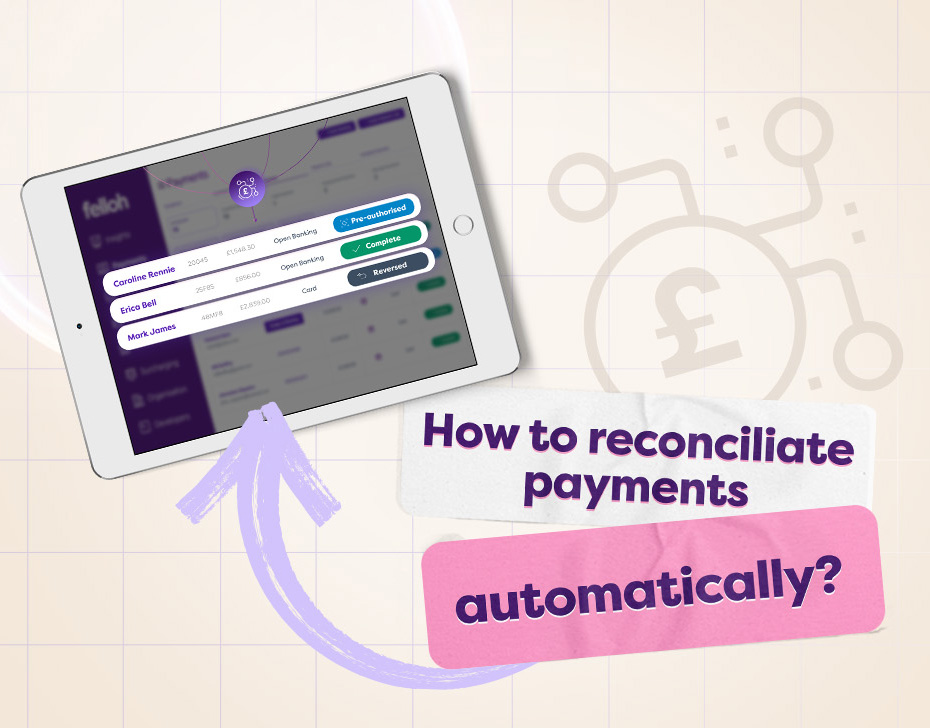 Updates
Card Payment and Bank Transaction Reconciliation Made Easy for Travel pros
With felloh we make reconciliation of card payments and bank transactions simple.
Read article
Connect the dots.
See how payments, settlement, refunds and reporting evidence connect around every booking.