
The card issuer is the bank or financial institution that issued the customer’s card and holds the cardholder account. Issuers approve or decline authorisation requests, handle authentication challenges, fund chargebacks they accept, and manage parts of the dispute lifecycle on behalf of the cardholder. Their decisions ultimately determine whether a payment goes through and how disputes are resolved.
Travel payments glossary
Card issuer
The bank or financial institution that issued the customer’s card.
Why it matters in travel
Issuer behaviour affects almost every travel-payment outcome: acceptance rates by issuer country, soft and hard declines, authentication step-up rates, chargeback velocity, and refund timing. Concentrations in one issuer country can also drive fraud, currency or fee exposure that needs managing at the booking level.
For a travel brand, the card issuer is the unseen counterparty that ultimately decides whether each booking goes through. An issuer with conservative rules around travel merchant categories will silently decline a portion of legitimate bookings; an issuer with lax authentication can be the source of a fraud wave the brand has to defend. Neither of these dynamics shows up unless someone is reading issuer-level outcomes.
Travel teams that spend time understanding the issuer side of the four-party model build authentication flows that work across issuers, retry strategies that respect issuer norms, and dispute responses tuned to the issuer most likely to receive them. Teams that treat the issuer as a black box leave acceptance and dispute outcomes on the table.
How felloh helps
felloh surfaces issuer signals alongside the booking and payment trail so travel teams can see acceptance and dispute patterns by issuer without standing up a separate analytics stack.
The Decline Analysis page in the dashboard groups attempts by issuer and BIN range, exposing where a particular bank is rejecting more than its share. The Risk Analysis view rolls the picture up to dispute outcomes, so authentication policy can be tuned issuer by issuer rather than at a blanket level.
For travel businesses with concentrated issuer exposure — a UK operator selling mostly to UK-issued cards, for example — that means a single issuer-side rule change is visible the day it happens rather than the quarter after.
Where this shows up in finance operations.
Card issuer touches more than one workflow at felloh. Start with the pages most travel teams reach for next.
- Financial Operations
Reconciliation, settlement, refunds and protected-funds workflows on one booking-aware ledger.
Explore - Automate Reconciliation
Bulk settlements unpacked to fees, refunds and chargebacks; bank transfers matched without references to chase.
Explore - Know Your Cash Position
See received, protected, committed and available cash by booking — without rebuilding the picture from exports.
Explore
More on travel finance operations.
Real-world context from the felloh team and customers, written for travel finance and operations.
 Insights
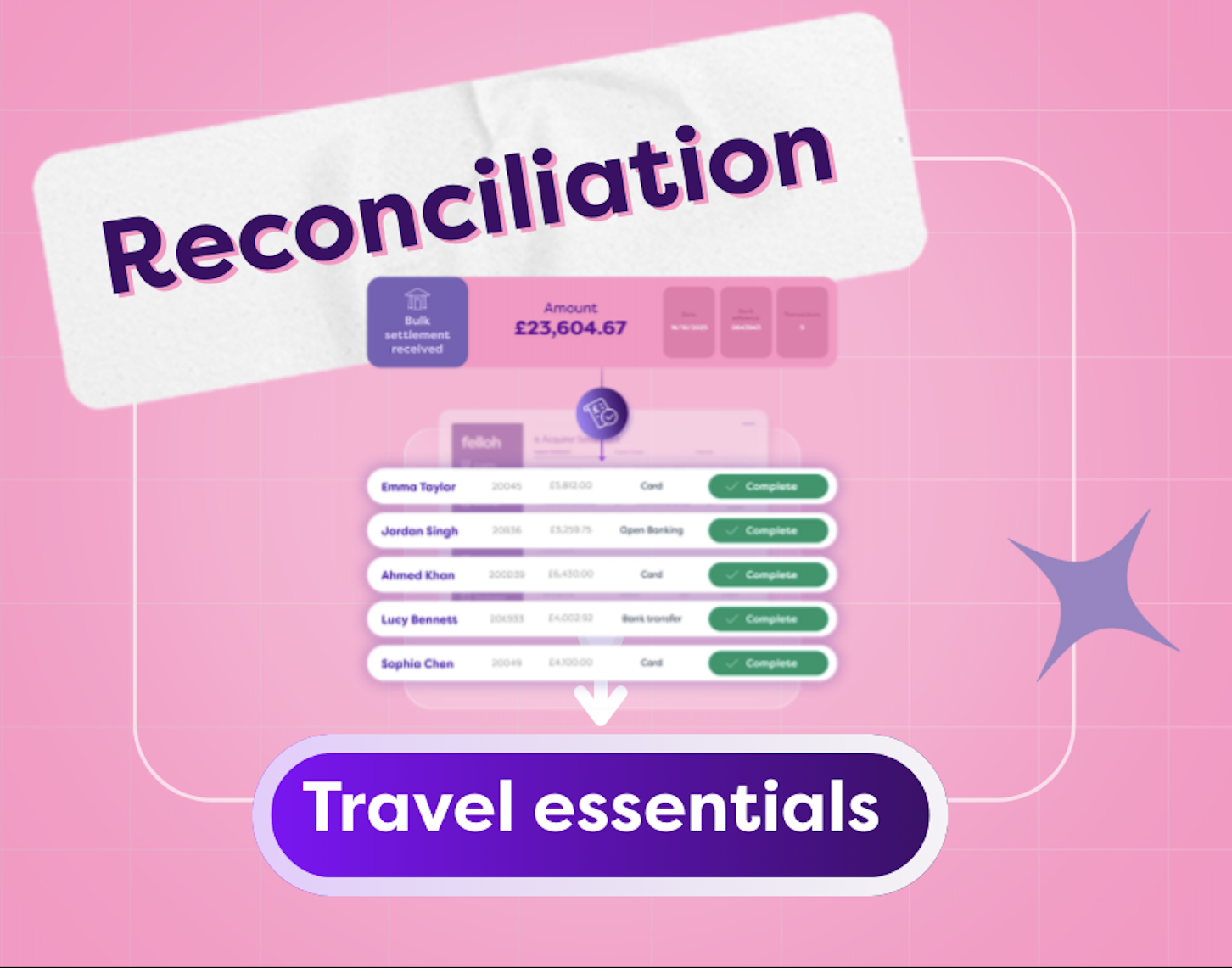
Reconciliation: What it is and why your Travel Business needs it
Why travel operators see a gap between sales records and the bank balance — and the basics of reconciling payments back to bookings.
Read article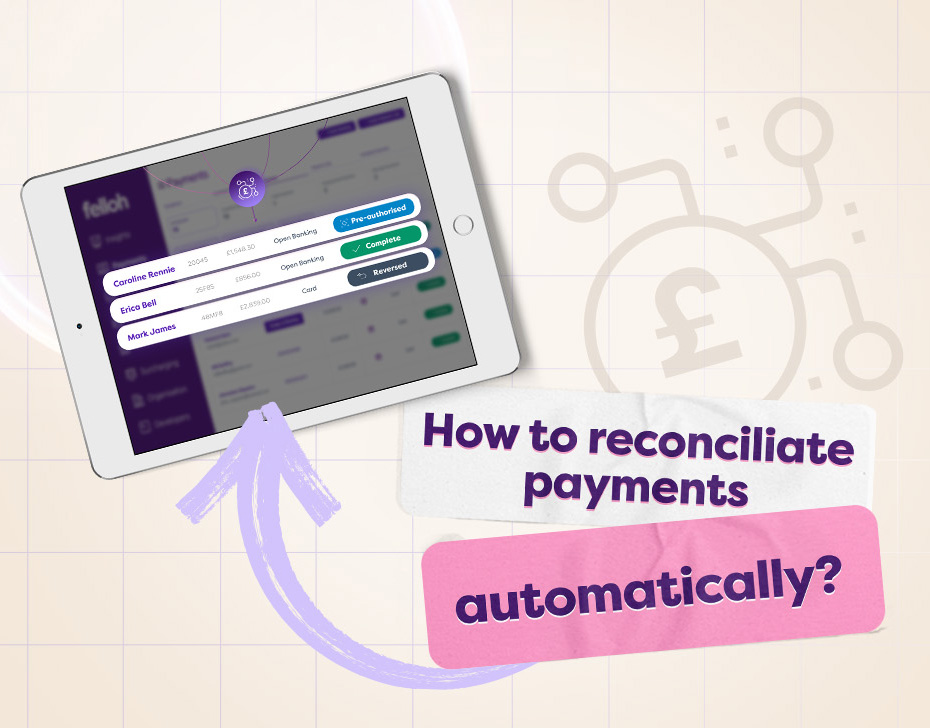 Updates
Card Payment and Bank Transaction Reconciliation Made Easy for Travel pros
With felloh we make reconciliation of card payments and bank transactions simple.
Read article
Connect the dots.
See how payments, settlement, refunds and reporting evidence connect around every booking.