
SWIFT is the global messaging network used by banks and financial institutions to send standardised payment instructions to each other across borders. SWIFT itself does not move money — it moves the messages that tell banks what to do — and the resulting transfers can take from minutes to days depending on currency, correspondent banking relationships and compliance checks. SWIFT codes (BIC) identify each member institution.
Travel payments glossary
SWIFT (Society for Worldwide Interbank Financial Telecommunication)
A global messaging network used to send international payment instructions between banks.
Why it matters in travel
Travel businesses paying global suppliers, hotel chains and DMCs in non-euro currencies, or accepting international agent payments, rely on SWIFT for the underlying messaging. SWIFT charges, correspondent fees and FX conversion stack up quickly on lower-value supplier payments.
A SWIFT payment from a UK operator to an inbound DMC in Asia can pass through three or four correspondent banks, each taking a share, before it arrives at the destination. The headline transfer fee is the smallest part; the cumulative correspondent and FX cost is where the margin disappears. A travel business at scale watching these costs deliberately can save tens of thousands a year.
The travel businesses that handle SWIFT well batch payments, choose correspondent paths deliberately and increasingly route to alternative rails where local options support the destination. The businesses that route every supplier payment over default SWIFT pay the cost without ever measuring the alternatives.
How felloh helps
felloh ties SWIFT-based supplier payments to the booking and supplier record so finance teams can see what arrived, what is in flight and what is delayed without rebuilding the picture from bank statements.
The Beneficiaries and Cashflow views in the dashboard track outbound SWIFT payments against the supplier record and the booking they fund, with correspondent path and applied FX visible. Where a payment stalls or returns, the case lands against the supplier and booking it relates to with the reason captured.
For travel businesses paying global suppliers across SWIFT, the cumulative cost of correspondent fees and FX spread is finally visible. Supplier-relationship friction drops because payments arrive on the date they were promised, and the operational picture of what is in flight is clear at any moment.
Where this shows up in finance operations.
SWIFT (Society for Worldwide Interbank Financial Telecommunication) touches more than one workflow at felloh. Start with the pages most travel teams reach for next.
- Financial Operations
Reconciliation, settlement, refunds and protected-funds workflows on one booking-aware ledger.
Explore - Automate Reconciliation
Bulk settlements unpacked to fees, refunds and chargebacks; bank transfers matched without references to chase.
Explore - Know Your Cash Position
See received, protected, committed and available cash by booking — without rebuilding the picture from exports.
Explore
More on travel finance operations.
Real-world context from the felloh team and customers, written for travel finance and operations.
 Insights
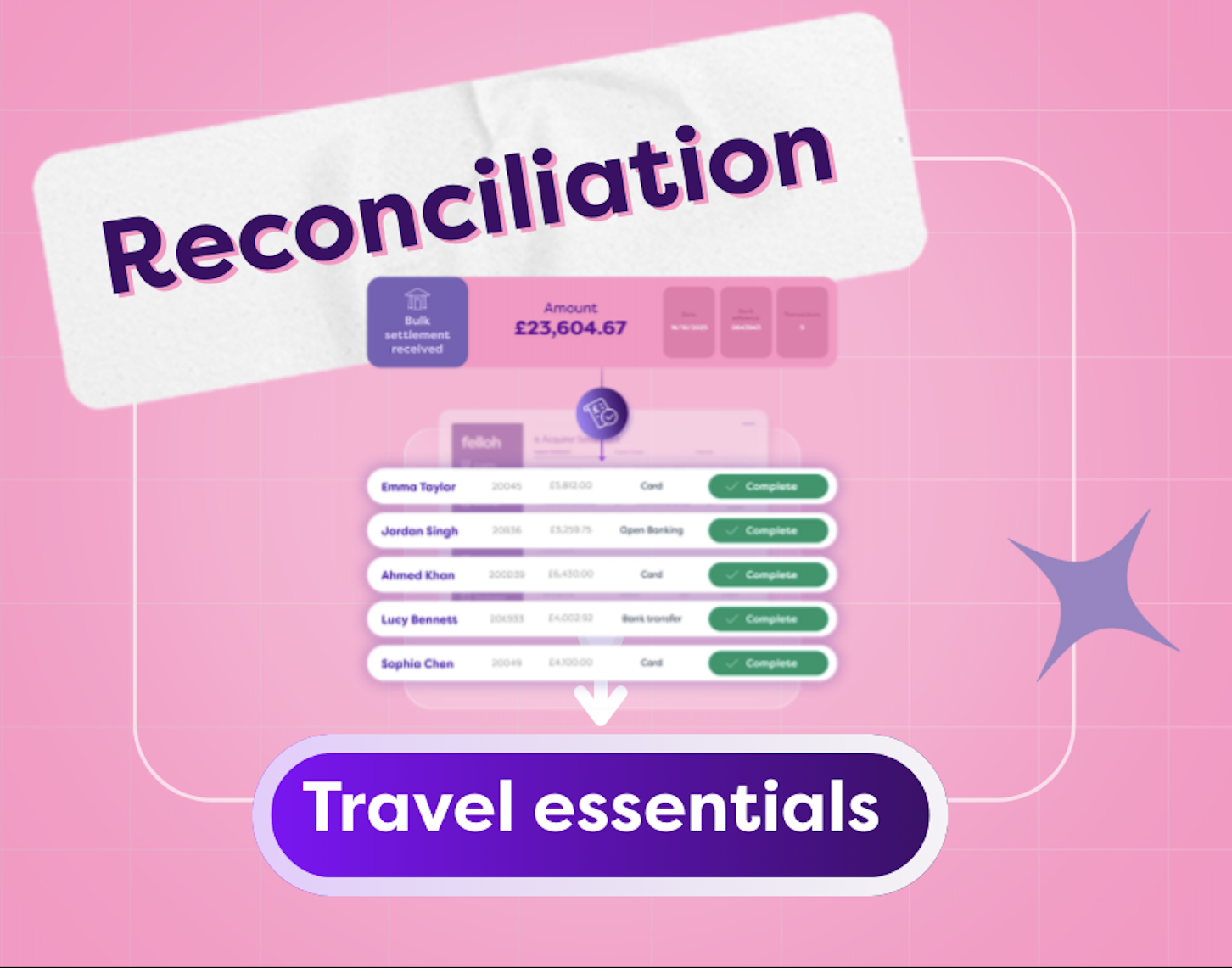
Reconciliation: What it is and why your Travel Business needs it
Why travel operators see a gap between sales records and the bank balance — and the basics of reconciling payments back to bookings.
Read article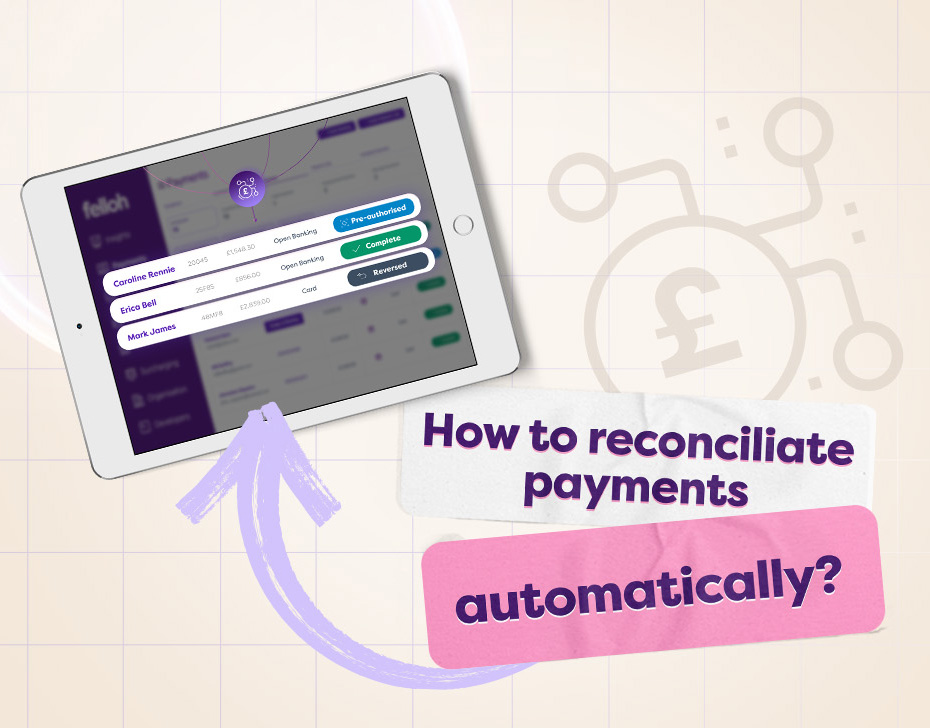 Updates
Card Payment and Bank Transaction Reconciliation Made Easy for Travel pros
With felloh we make reconciliation of card payments and bank transactions simple.
Read article
Connect the dots.
See how payments, settlement, refunds and reporting evidence connect around every booking.