
In a payment context, the beneficiary is the party receiving the funds — typically identified by their account number, sort code, IBAN or other routing detail. Beneficiary information has to be precise: a single digit wrong on an IBAN can send funds into the wrong account or hold them in suspense at the receiving bank. Many banks now use Confirmation of Payee to check the beneficiary name matches the account before allowing the payment to proceed.
Travel payments glossary
Beneficiary
The party receiving the funds from a payment or transfer.
Why it matters in travel
Travel businesses are constantly setting up new beneficiaries — suppliers, DMCs, agency commissions, refund accounts, payroll. A wrong beneficiary on a large supplier payment can lock cash for weeks while the receiving bank investigates, and a missing beneficiary check on a refund can send money to the wrong customer.
A travel business at scale onboards new beneficiaries every week — new suppliers, agency relationships, partner commission flows. Each new beneficiary is a chance to record details wrong, and a single wrong record can hold up a £20,000 supplier payment while the receiving bank investigates. Confirmation of Payee helps, but only when the details are checked the moment they are added.
The travel businesses that handle beneficiaries well validate on setup, store against a supplier or partner record, and never re-enter from contracts. The businesses that do not introduce error rates that compound with growth — and pay for them in customer support and supplier-relationship time.
How felloh helps
felloh keeps beneficiary, payment and booking context together so refunds and supplier payments leave with the right reference and arrive with traceable evidence.
The Beneficiaries page in the dashboard holds validated payment-out details against each supplier, partner or refund recipient. Where a refund needs to be issued or a supplier payment scheduled, the beneficiary record is read once and reused — no re-keying from contracts, no risk of typos on six-figure transfers.
For a finance team scaling supplier payments across new markets, the error rate stays flat rather than scaling with volume. Beneficiary changes are an explicit, audited action rather than a quiet edit on a spreadsheet that nobody notices until the wrong account is paid.
Where this shows up in finance operations.
Beneficiary touches more than one workflow at felloh. Start with the pages most travel teams reach for next.
- Financial Operations
Reconciliation, settlement, refunds and protected-funds workflows on one booking-aware ledger.
Explore - Automate Reconciliation
Bulk settlements unpacked to fees, refunds and chargebacks; bank transfers matched without references to chase.
Explore - Know Your Cash Position
See received, protected, committed and available cash by booking — without rebuilding the picture from exports.
Explore
More on travel finance operations.
Real-world context from the felloh team and customers, written for travel finance and operations.
 Insights
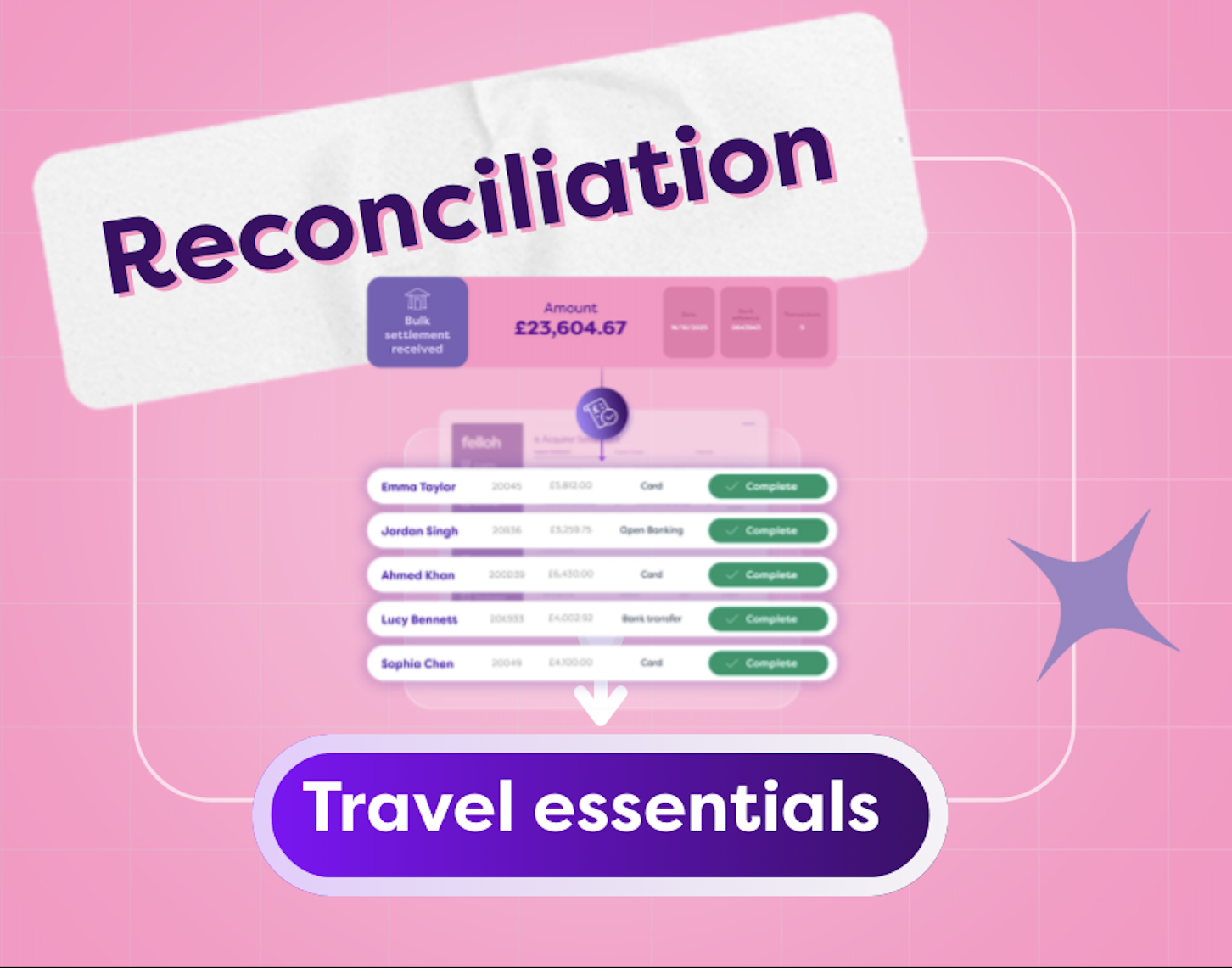
Reconciliation: What it is and why your Travel Business needs it
Why travel operators see a gap between sales records and the bank balance — and the basics of reconciling payments back to bookings.
Read article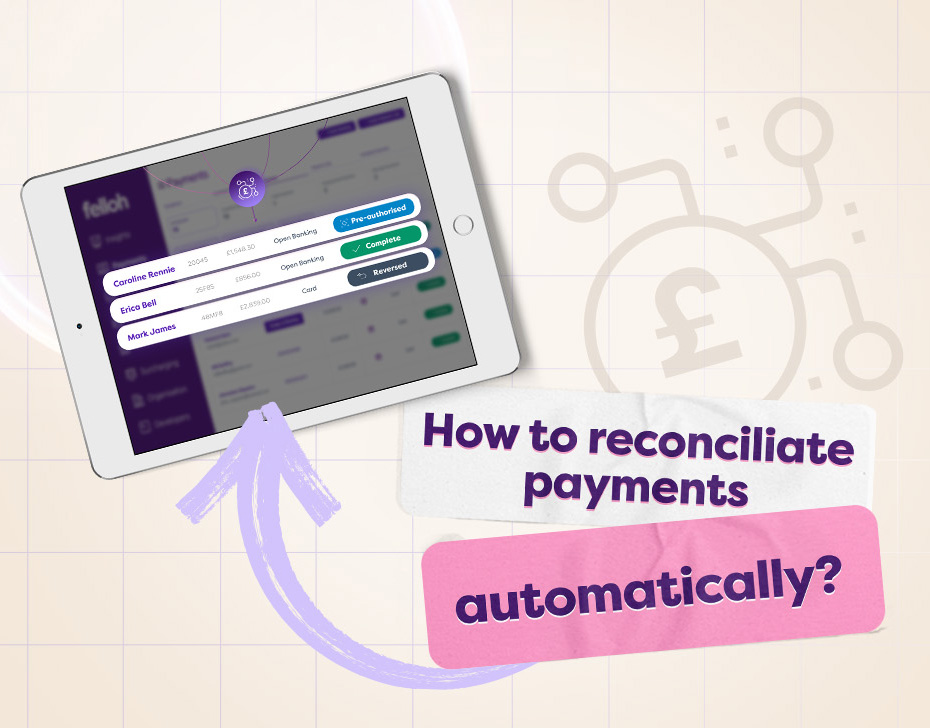 Updates
Card Payment and Bank Transaction Reconciliation Made Easy for Travel pros
With felloh we make reconciliation of card payments and bank transactions simple.
Read article
Connect the dots.
See how payments, settlement, refunds and reporting evidence connect around every booking.