
A wire transfer is a bank-to-bank payment, typically used for higher-value or cross-border movements. Domestically it might use CHAPS or Fedwire; internationally it travels over SWIFT. Wire transfers usually settle within hours or a day and carry per-transfer fees, making them suitable for one-off larger amounts rather than recurring low-value movements.
Travel payments glossary
Wire transfer
A bank-to-bank payment used for higher-value or cross-border transactions.
Why it matters in travel
Travel businesses use wire transfers for significant supplier payments, deposit settlement to foreign DMCs and refunds to customers where a card refund is not possible. Reconciliation needs accurate beneficiary details and clear references to avoid funds sitting in suspense.
For a UK operator paying a six-figure deposit to an Asian inbound DMC, the wire transfer is the realistic option even with the correspondent costs that come with it. The timing matters: a delayed wire that arrives a day late can hold a multi-departure booking off the supplier’s confirmed list, with downstream operational consequences.
The travel businesses that handle wire transfers well plan the route deliberately, validate beneficiary details before sending and track each transfer back to the booking and supplier it funds. The businesses that fire-and-forget wires accept the occasional stranded payment and the supplier-relationship friction that comes with it.
How felloh helps
felloh ties wire-transfer movements to the booking and supplier record so finance teams can see what is in flight, what has arrived and what was returned without rebuilding the picture from bank statements.
The Beneficiaries and Cashflow views in the dashboard track outbound wires against the supplier record and booking they fund, with correspondent path, applied FX and arrival evidence visible. Where a wire returns or stalls, the case lands against the supplier and booking it relates to.
For travel businesses paying significant supplier amounts by wire, the time-in-flight picture is finally honest. Supplier-relationship friction drops because the operator can see exactly where the payment is, and reconciliation against the bank statement happens automatically.
Where this shows up in finance operations.
Wire transfer touches more than one workflow at felloh. Start with the pages most travel teams reach for next.
- Financial Operations
Reconciliation, settlement, refunds and protected-funds workflows on one booking-aware ledger.
Explore - Automate Reconciliation
Bulk settlements unpacked to fees, refunds and chargebacks; bank transfers matched without references to chase.
Explore - Know Your Cash Position
See received, protected, committed and available cash by booking — without rebuilding the picture from exports.
Explore
More on travel finance operations.
Real-world context from the felloh team and customers, written for travel finance and operations.
 Insights
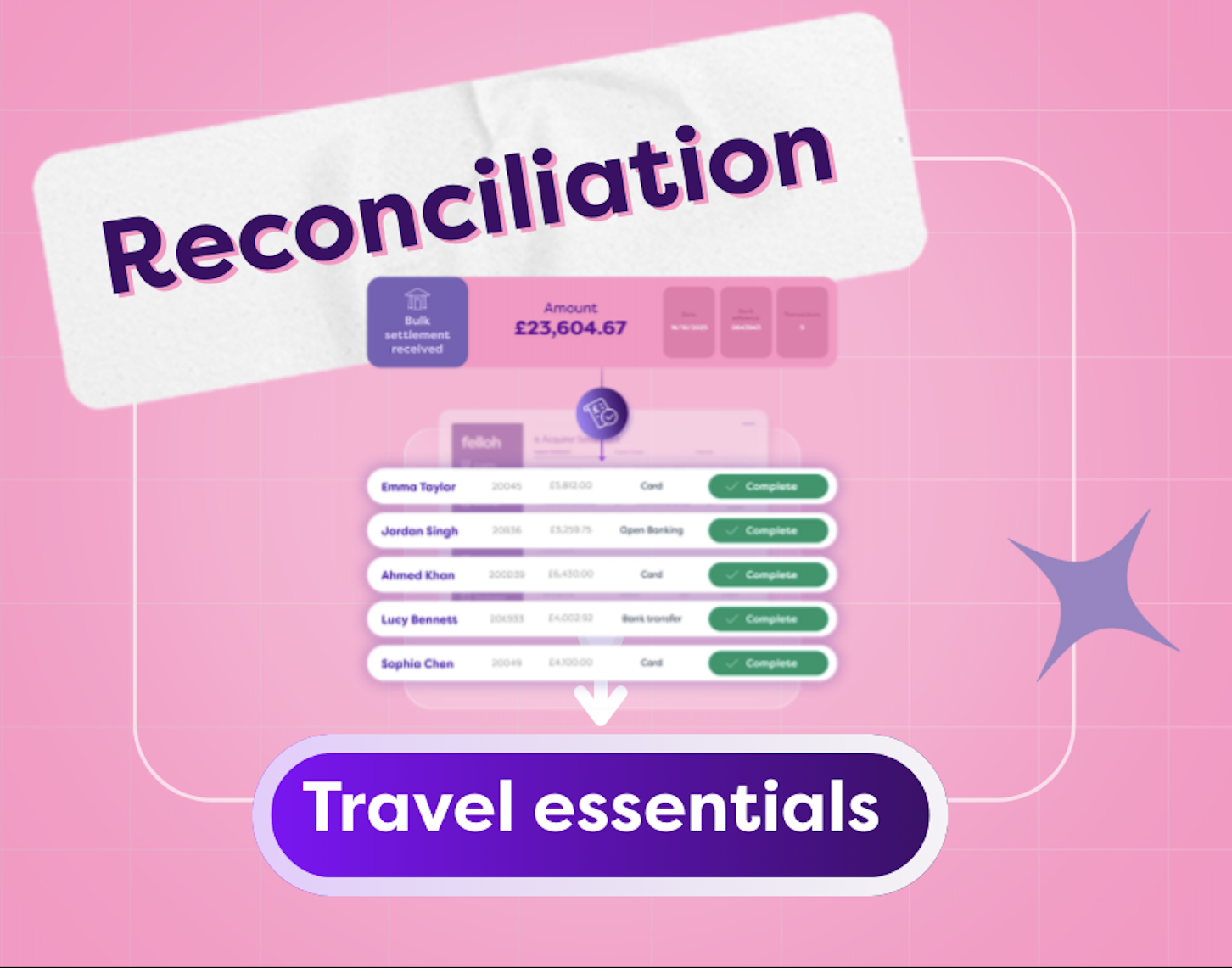
Reconciliation: What it is and why your Travel Business needs it
Why travel operators see a gap between sales records and the bank balance — and the basics of reconciling payments back to bookings.
Read article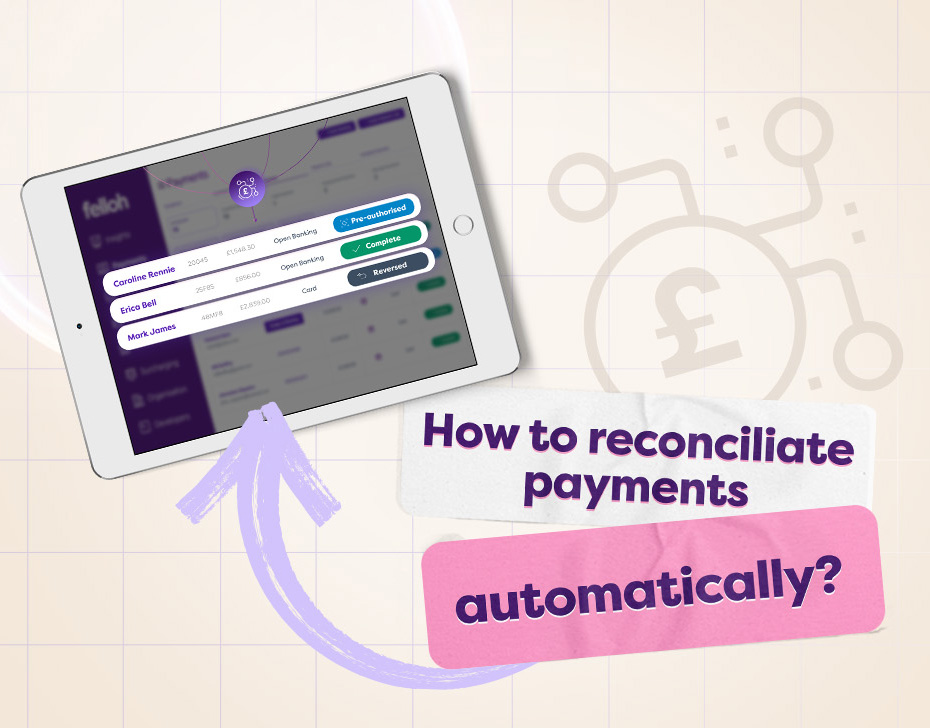 Updates
Card Payment and Bank Transaction Reconciliation Made Easy for Travel pros
With felloh we make reconciliation of card payments and bank transactions simple.
Read article
Connect the dots.
See how payments, settlement, refunds and reporting evidence connect around every booking.