
A Bank Identifier Code, also known as a SWIFT code, is an 8- or 11-character code that uniquely identifies a bank for the purpose of routing international payments. The code includes the bank, country, city and (optionally) a specific branch, and is used alongside the IBAN to make sure a cross-border transfer arrives at the right institution. SWIFT and BIC are typically used interchangeably in everyday banking language.
Travel payments glossary
BIC (Bank Identifier Code)
A standardised code that identifies a specific bank for international payments.
Why it matters in travel
Travel businesses making supplier payments overseas, refunding international customers or accepting bank payments from foreign agents need accurate BIC and IBAN combinations to avoid funds being held in suspense or returned. Mis-entered BICs are a common cause of delayed supplier payments.
A wrong BIC on a £40,000 supplier payment to an inbound DMC is not just an admin error — it is cash held in suspense at a correspondent bank while the supplier waits for a deposit they were promised. By the time the funds are returned and reissued, the booking has moved on, the trust has eroded and the operations team has spent a week chasing it.
Travel businesses with mature payment operations maintain validated beneficiary records keyed to the supplier, not the booking, with BIC and IBAN checked the moment they are added. Less mature setups re-enter the same details from a contract every time a payment goes out, and the error rate scales linearly with volume.
How felloh helps
felloh ties cross-border payment details to the booking and supplier record so the right BIC, IBAN and reference travel with every transfer and any rejection is visible at the booking level.
The Beneficiaries page validates BIC and IBAN combinations on entry and stores them against the supplier record, so cross-border supplier payments leave with the right routing every time. When a payment returns or stalls at a correspondent bank, the rejection lands against the same booking that initiated it, with the reason visible inline.
For travel finance teams paying European hoteliers, ground-services DMCs and inbound partners, the days of suspense items at the receiving bank become exceptions rather than routine. The relationship with the supplier survives intact because the payment actually arrived on time.
Where this shows up in finance operations.
BIC (Bank Identifier Code) touches more than one workflow at felloh. Start with the pages most travel teams reach for next.
- Financial Operations
Reconciliation, settlement, refunds and protected-funds workflows on one booking-aware ledger.
Explore - Automate Reconciliation
Bulk settlements unpacked to fees, refunds and chargebacks; bank transfers matched without references to chase.
Explore - Know Your Cash Position
See received, protected, committed and available cash by booking — without rebuilding the picture from exports.
Explore
More on travel finance operations.
Real-world context from the felloh team and customers, written for travel finance and operations.
 Insights
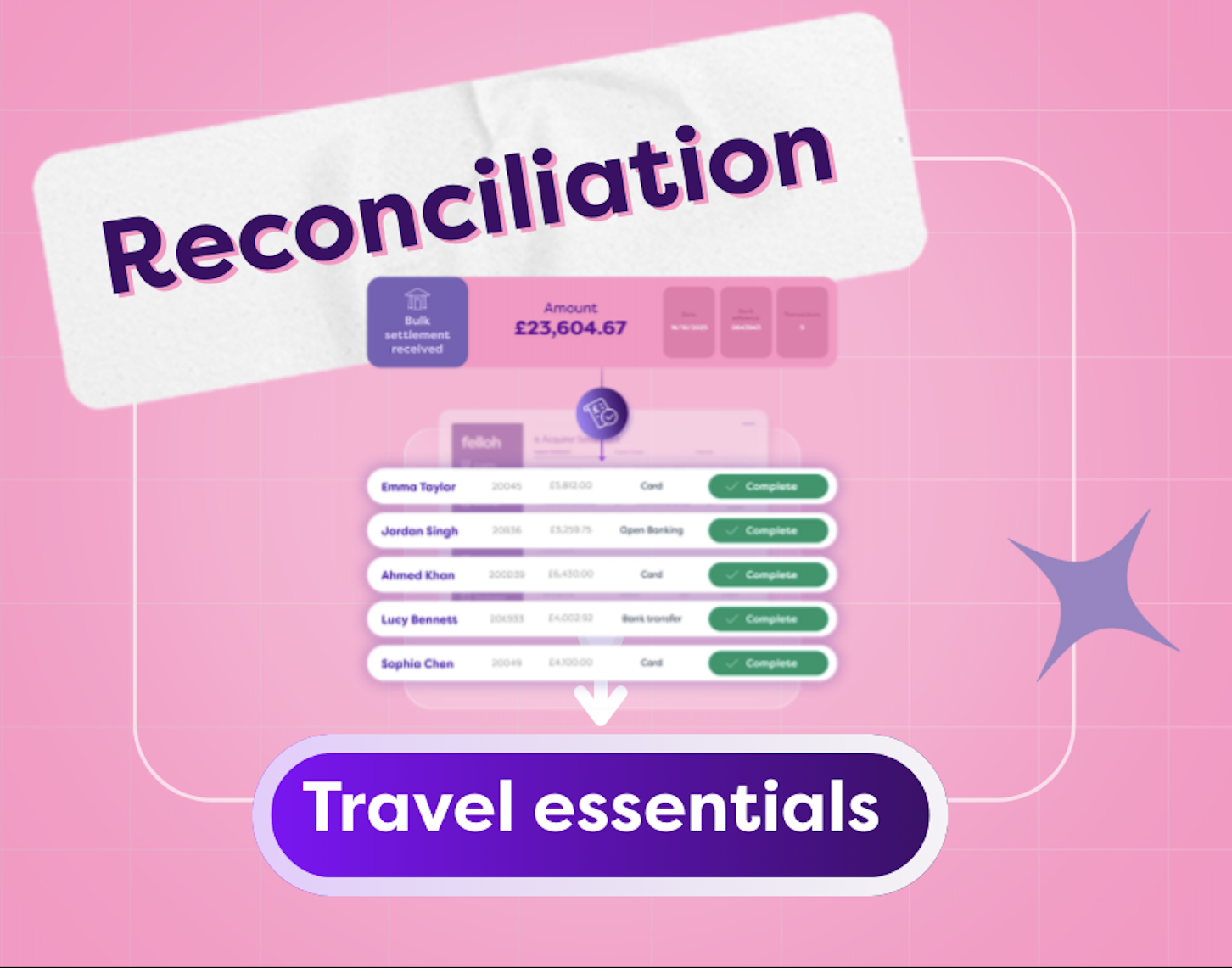
Reconciliation: What it is and why your Travel Business needs it
Why travel operators see a gap between sales records and the bank balance — and the basics of reconciling payments back to bookings.
Read article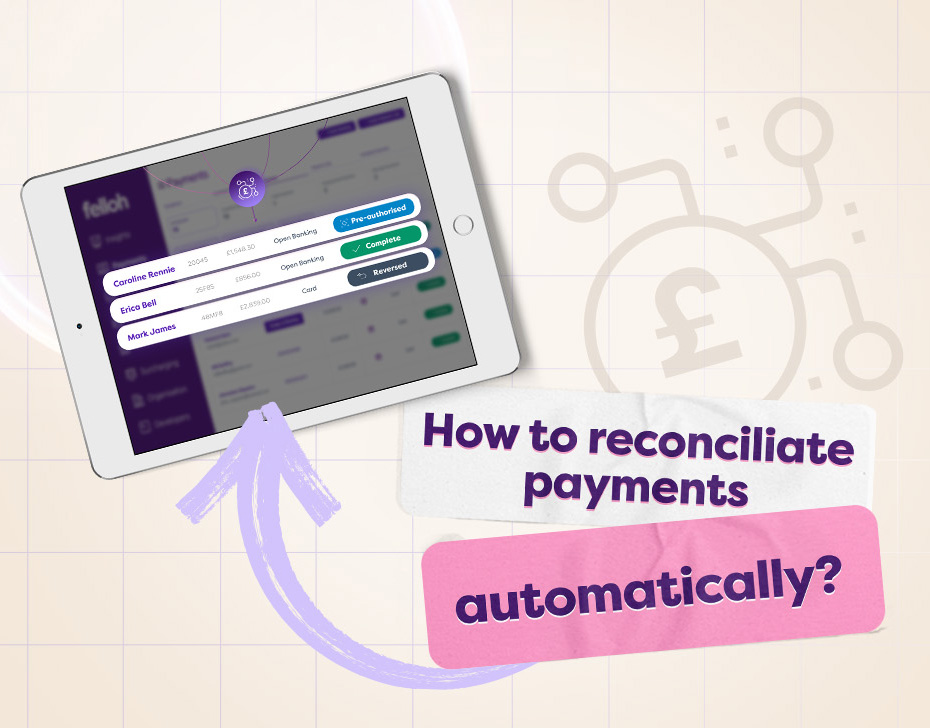 Updates
Card Payment and Bank Transaction Reconciliation Made Easy for Travel pros
With felloh we make reconciliation of card payments and bank transactions simple.
Read article
Connect the dots.
See how payments, settlement, refunds and reporting evidence connect around every booking.