
Smart routing is the practice of routing each payment to the acquirer, method or processor most likely to deliver the desired business outcome — usually higher acceptance, lower cost, faster settlement or better dispute defensibility. It can be rule-based, model-driven or a combination. Smart routing requires connections to more than one acquirer or processor and a feedback loop from real outcomes.
Travel payments glossary
Smart routing
Routing payments to the acquirer or method most likely to give the best business outcome.
Why it matters in travel
Travel businesses with multi-acquirer setups can use smart routing to lift acceptance on cards that consistently decline elsewhere, push high-value bookings through the acquirer that absorbs them best, or route by region to reduce cross-border fees. The value is measured in deposits actually captured and cash actually retained.
Smart routing pays off when the underlying outcome data is good enough to drive the decisions. A travel business with clean booking-level data on acceptance, fee mix and dispute outcomes by acquirer can route deliberately and measure the lift. A business without that data is making routing decisions on hunch and rarely able to prove they paid.
The travel businesses that route well treat routing as a continuous optimisation rather than a setup task, feeding outcomes back into the decision logic and adjusting as schemes, acquirers and customer patterns shift. The businesses that set routing once and walk away lose the value within a year as the underlying patterns change.
How felloh helps
felloh keeps the booking-level acceptance, cost and settlement evidence that lets travel teams measure whether routing changes are actually paying off in real outcomes, not theory.
The pay checkout supports multi-acquirer routing logic, with the dashboard’s Decline Analysis, Settlement and Merchant Acquirer views exposing the outcome per acquirer per booking. Routing decisions can be tuned against measured acceptance, fee mix and dispute outcomes rather than theoretical models.
For travel businesses operating multi-acquirer setups, smart routing becomes a continuous optimisation rather than a one-time setup. The acceptance lift on high-value bookings shows up where it was predicted; the cost saving on cross-border cards shows up at brand level; the trade-offs become visible.
Where this shows up in finance operations.
Smart routing touches more than one workflow at felloh. Start with the pages most travel teams reach for next.
- Financial Operations
Reconciliation, settlement, refunds and protected-funds workflows on one booking-aware ledger.
Explore - Automate Reconciliation
Bulk settlements unpacked to fees, refunds and chargebacks; bank transfers matched without references to chase.
Explore - Know Your Cash Position
See received, protected, committed and available cash by booking — without rebuilding the picture from exports.
Explore
More on travel finance operations.
Real-world context from the felloh team and customers, written for travel finance and operations.
 Insights
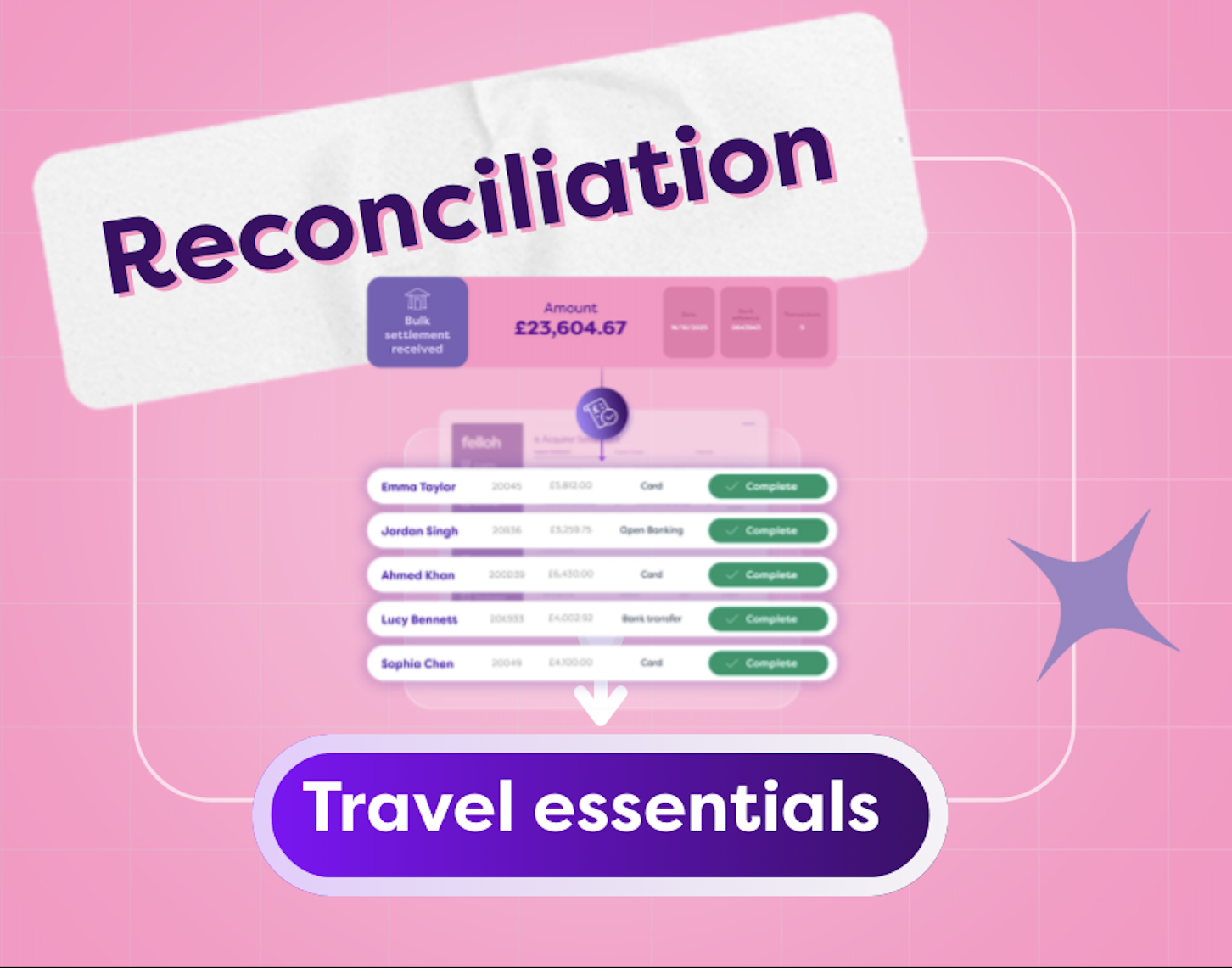
Reconciliation: What it is and why your Travel Business needs it
Why travel operators see a gap between sales records and the bank balance — and the basics of reconciling payments back to bookings.
Read article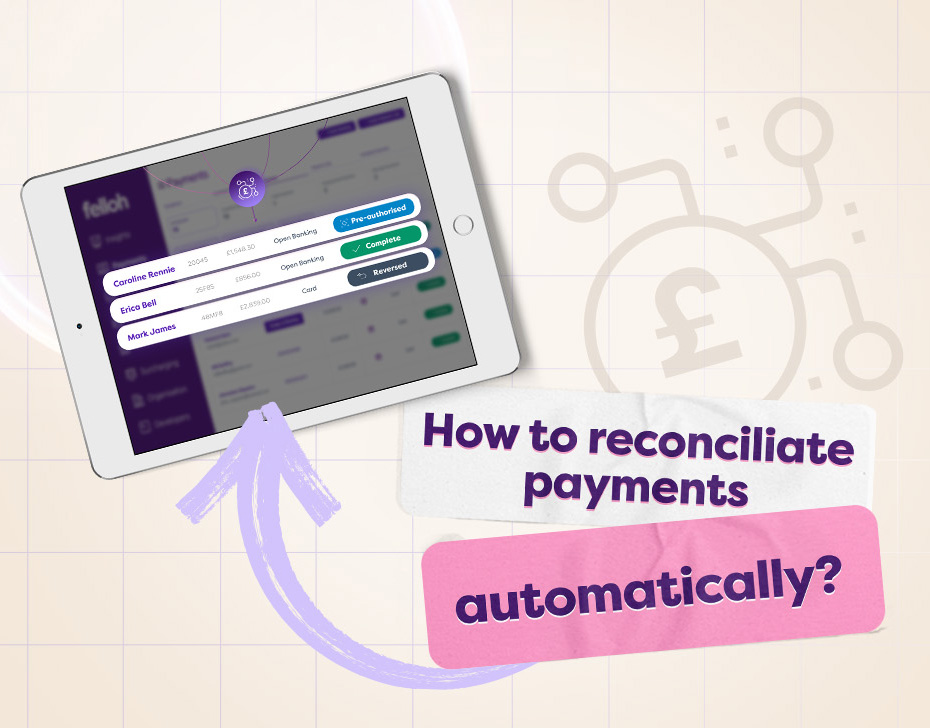 Updates
Card Payment and Bank Transaction Reconciliation Made Easy for Travel pros
With felloh we make reconciliation of card payments and bank transactions simple.
Read article
Connect the dots.
See how payments, settlement, refunds and reporting evidence connect around every booking.