
Dynamic routing is the practice of routing each payment to the acquirer, payment method or processor most likely to give the best outcome — measured by acceptance rate, cost, settlement timing or another business metric. It can be rule-based or model-driven and typically requires connections to more than one acquirer or processor. Done well, it improves acceptance and reduces cost; done badly, it adds complexity without benefit.
Travel payments glossary
Dynamic routing
Routing each payment to the acquirer or method most likely to give the best outcome.
Why it matters in travel
Travel businesses with multi-acquirer setups can use dynamic routing to lift acceptance on cards that consistently decline on one acquirer, or to favour cheaper rails for certain card products and regions. The value shows up as more deposits captured and more cash retained.
Dynamic routing is most valuable in the moments travel businesses care about most — the first deposit, the high-value balance, the last-minute booking. Routing each of those to the acquirer most likely to approve it captures bookings that a single-route setup would lose, and the cumulative effect across a season is meaningful.
The travel businesses that get dynamic routing right invest in the data and the decision logic, instrumenting outcomes carefully and tuning as the picture evolves. The businesses that bolt dynamic routing on without that discipline often see no measurable lift because the logic was never calibrated to their actual booking mix.
How felloh helps
felloh holds the booking-level acceptance, cost and settlement evidence that lets travel teams measure whether a routing change is actually paying off, so decisions can be made on real outcomes rather than theory.
The pay checkout supports multi-acquirer routing logic, and the Decline Analysis and Settlement views in the dashboard expose the outcome — acceptance rate, effective cost, settlement timing — by acquirer and routing decision. Where a routing change improves acceptance on one segment but worsens cost on another, both effects are visible.
For travel businesses operating multi-acquirer setups, routing decisions become measurable rather than theoretical. The acceptance lift on high-value bookings, the cost saving on cross-border cards and the chargeback impact on each acquirer all show up in the same booking-level picture.
Where this shows up in finance operations.
Dynamic routing touches more than one workflow at felloh. Start with the pages most travel teams reach for next.
- Financial Operations
Reconciliation, settlement, refunds and protected-funds workflows on one booking-aware ledger.
Explore - Automate Reconciliation
Bulk settlements unpacked to fees, refunds and chargebacks; bank transfers matched without references to chase.
Explore - Know Your Cash Position
See received, protected, committed and available cash by booking — without rebuilding the picture from exports.
Explore
More on travel finance operations.
Real-world context from the felloh team and customers, written for travel finance and operations.
 Insights
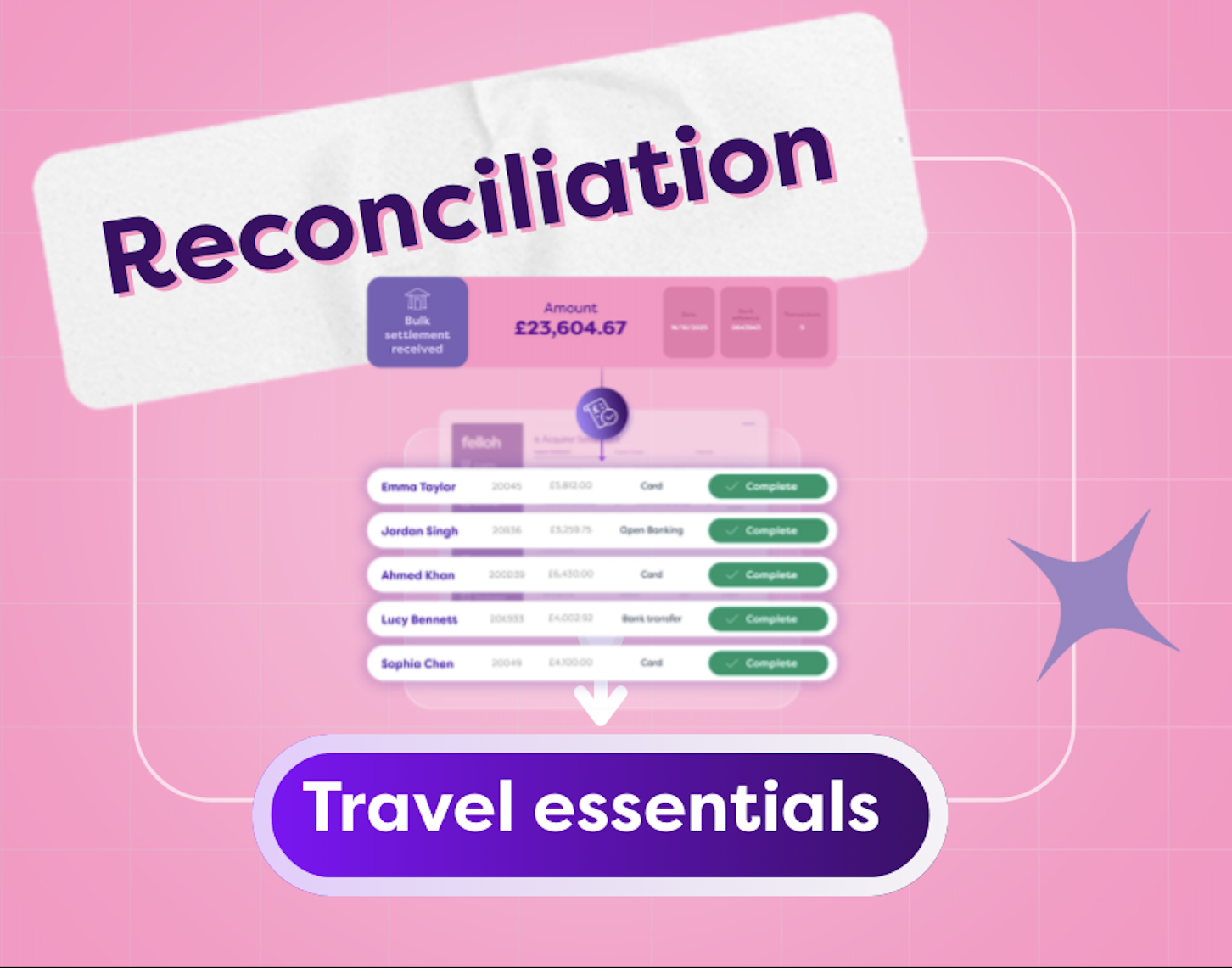
Reconciliation: What it is and why your Travel Business needs it
Why travel operators see a gap between sales records and the bank balance — and the basics of reconciling payments back to bookings.
Read article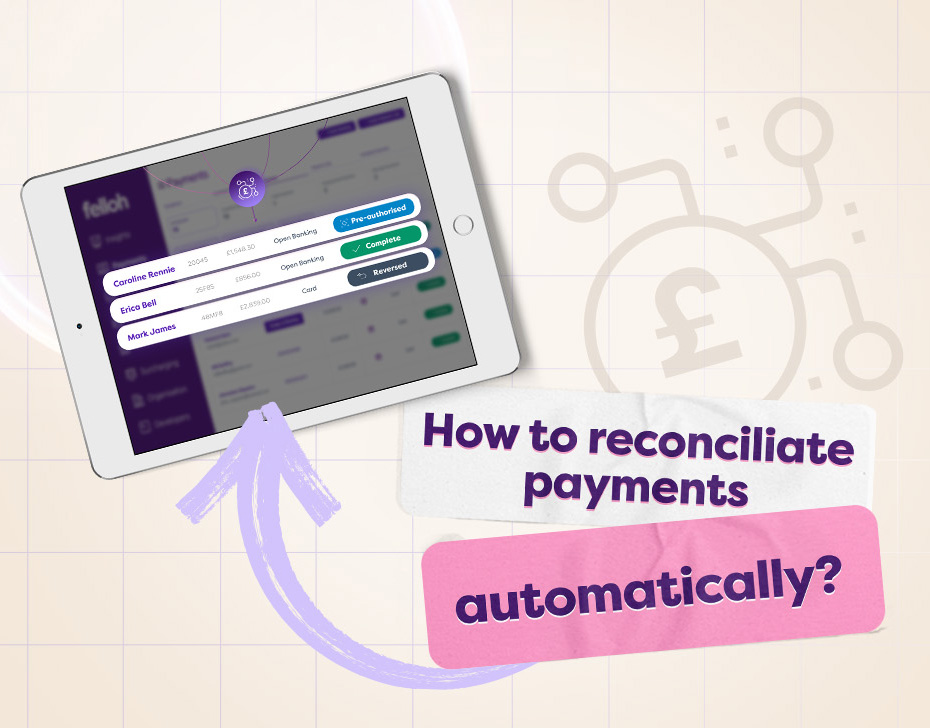 Updates
Card Payment and Bank Transaction Reconciliation Made Easy for Travel pros
With felloh we make reconciliation of card payments and bank transactions simple.
Read article
Connect the dots.
See how payments, settlement, refunds and reporting evidence connect around every booking.