
A payment processor is a provider that moves payment data between the merchant, the acquirer, the card scheme and the issuer, handling the technical work of authorisation, capture and settlement. Some processors are bundled with an acquirer; others are independent and integrate with multiple acquirers. The processor is what makes the actual rails move under the hood.
Travel payments glossary
Payment processor
A provider that moves payment data between the merchant, acquirer, scheme and issuer.
Why it matters in travel
Travel businesses often work with multiple processors across brands, regions and channels. Where the processor stops and the acquirer starts can be confusing, but the practical reality is that processor choice affects acceptance, settlement and reporting.
A processor change is one of the most invisible-but-consequential decisions a travel business makes. The customer journey looks the same, the acquirer name on the statement might not change, but acceptance rates, settlement timings and the format of operational data underneath can shift materially. A change handled badly creates months of reconciliation drift.
The travel businesses that handle processor decisions well measure outcome metrics — acceptance, fee mix, settlement timing — and switch deliberately when the case is clear. The businesses that do not switch reactively, often during a contract renewal, and find themselves rebuilding reconciliation processes that worked perfectly well before.
How felloh helps
felloh keeps the booking-level finance picture consistent across processors, so consolidating, switching or adding a processor does not fragment the operational story.
The pay checkout abstracts processor-specific detail — Nuvei, Total Processing, Basis Theory, Crezco — behind one customer-facing experience, with the dashboard’s Transactions and Settlement views recording the underlying processor against each booking. Decline Analysis exposes acceptance by processor so routing or migration decisions are measurable.
For travel businesses evaluating, consolidating or switching processors, the booking-level picture remains the constant. Acceptance, fee mix and settlement timing are visible per processor, and the operational impact of any change shows up as a measured shift rather than an anecdote.
Where this shows up in payment collection.
Payment processor touches more than one workflow at felloh. Start with the pages most travel teams reach for next.
- Travel Payment Solutions
The felloh travel payment system — card, open banking, links and checkout connected to the booking, protected funds and reporting evidence.
Explore - Payment Collection
Card, open banking, payment links, deposits and instalments — captured against the booking.
Explore - Payment Links
Shareable, authenticated payment links so customers pay against a specific booking without keying card details.
Explore
More on collecting payments in travel.
Real-world context from the felloh team and customers, written for travel finance and operations.
 Updates
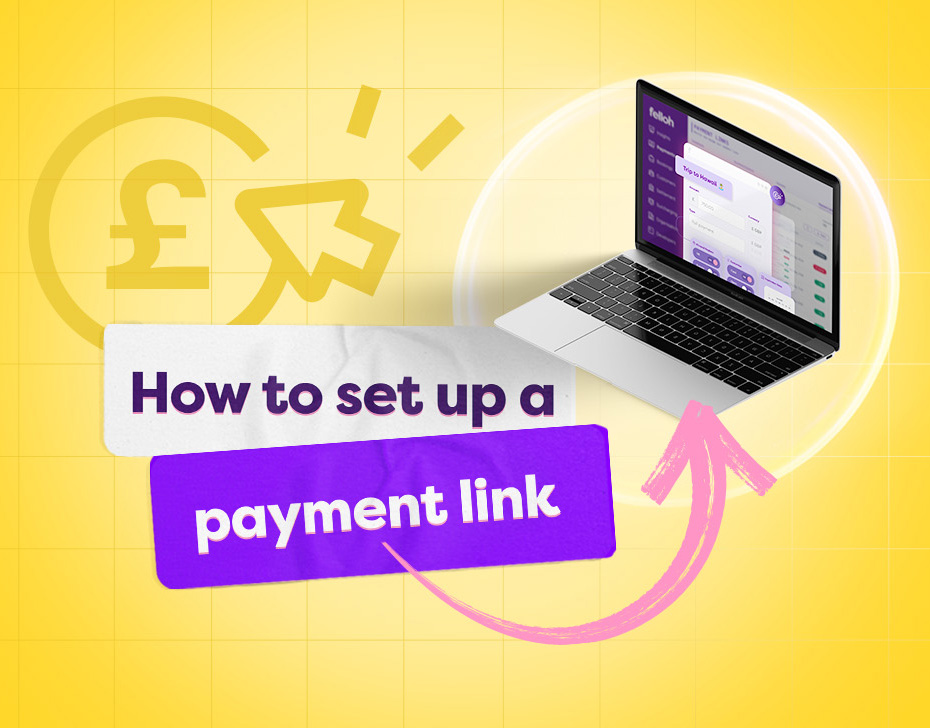
Setting up payment links manually
See how felloh connects all of your payments, cards, open banking and direct deposits with your bookings
Read article Updates
Making multi channel payments work across travel systems
Multi-channel friction in travel usually sits between booking, payment and finance systems. Connected payments keep finance teams in control.
Read article
Connect the dots.
See how payments, settlement, refunds and reporting evidence connect around every booking.