
A payment aggregator is a provider that holds a single acquirer relationship and processes payments on behalf of many sub-merchants underneath it. The aggregator handles onboarding, risk monitoring, dispute correspondence and settlement, and the sub-merchant gets to start accepting payments faster than a direct acquirer relationship would allow. Stripe, Square, PayPal and Adyen for Platforms are well-known examples.
Travel payments glossary
Payment aggregator
A provider that consolidates payments for many sub-merchants under one acquirer relationship.
Why it matters in travel
Travel marketplaces, OTAs and supplier-platform models often work as payment aggregators, taking customer money on behalf of an underlying inventory. The supplier gets fast onboarding but loses direct settlement timing and reserve visibility.
The aggregator model is attractive precisely because it removes friction from supplier onboarding — which is also why it can mask real exposure when something goes wrong. A supplier that has never seen its own settlement file does not see the early warning signs of a chargeback wave; a marketplace that takes liability for sub-merchants it has lightly vetted carries a risk it may not have priced in.
A healthy aggregator setup gives every party a booking-level picture, even though the legal merchant of record is one entity. The customer sees the marketplace, the supplier sees their own bookings and net settlement, and the aggregator carries operational responsibility without losing the ability to see and explain what is happening underneath. Without that picture, every dispute escalates.
How felloh helps
felloh keeps booking-level reconciliation usable whether the travel business is acting as the aggregator or being aggregated, so settlement and supplier exposure stay traceable on both sides.
The dashboard’s Suppliers, Beneficiaries and Settlement views surface sub-merchant-level activity against the aggregated bookings, with operational and finance evidence available from one source. Where the travel business is the aggregator, the Bookings and Risk Analysis views provide a single picture across the underlying inventory.
For aggregators and aggregated businesses alike, the booking-level picture survives the legal-entity structure. Disputes, refunds and reconciliation work the same way, and the regulator-facing evidence stays intact regardless of which side of the model the operator sits on.
Where this shows up in finance operations.
Payment aggregator touches more than one workflow at felloh. Start with the pages most travel teams reach for next.
- Financial Operations
Reconciliation, settlement, refunds and protected-funds workflows on one booking-aware ledger.
Explore - Automate Reconciliation
Bulk settlements unpacked to fees, refunds and chargebacks; bank transfers matched without references to chase.
Explore - Know Your Cash Position
See received, protected, committed and available cash by booking — without rebuilding the picture from exports.
Explore
More on travel finance operations.
Real-world context from the felloh team and customers, written for travel finance and operations.
 Insights
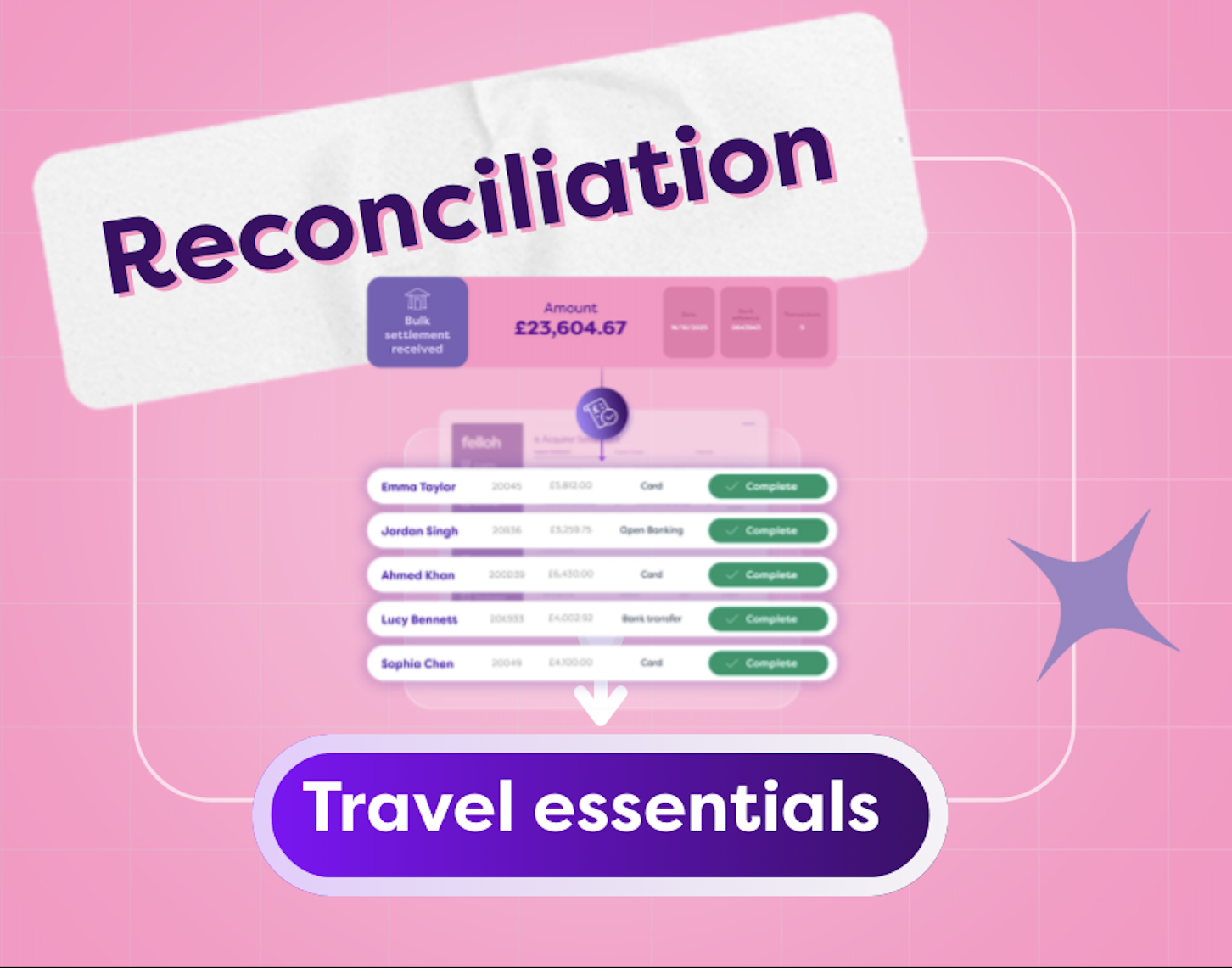
Reconciliation: What it is and why your Travel Business needs it
Why travel operators see a gap between sales records and the bank balance — and the basics of reconciling payments back to bookings.
Read article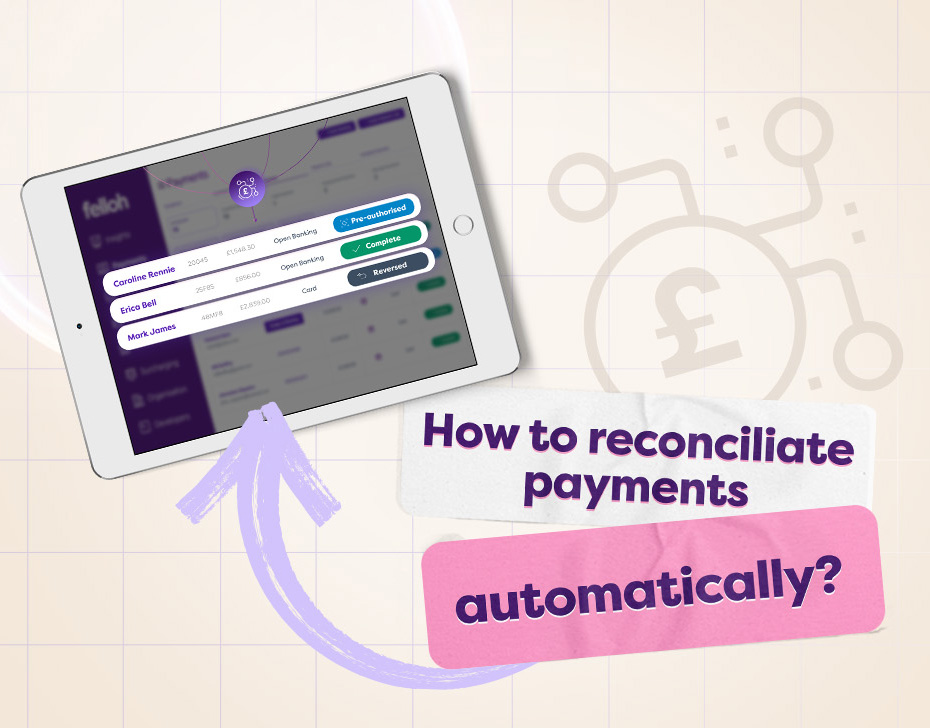 Updates
Card Payment and Bank Transaction Reconciliation Made Easy for Travel pros
With felloh we make reconciliation of card payments and bank transactions simple.
Read article
Connect the dots.
See how payments, settlement, refunds and reporting evidence connect around every booking.