
The aggregator model lets a payment facilitator hold a single merchant relationship with the acquirer and then process transactions on behalf of many smaller sub-merchants underneath it. The acquirer sees one merchant identification number; the sub-merchants get faster onboarding without their own underwriting, in exchange for less control over pricing, settlement timing and risk decisions. Aggregators take on responsibility for monitoring transactions, screening sub-merchants and handling disputes.
Travel payments glossary
Aggregator model
A payments model where many sub-merchants accept payments under a single acquirer relationship.
Why it matters in travel
In travel, the aggregator model often shows up when an OTA, marketplace or booking platform takes payments on behalf of a supplier network. The customer sees the platform brand, the supplier never touches the card data, and the platform handles dispute correspondence. The trade-off is that the supplier loses direct visibility into settlement timing, reserves and the underlying transaction stream.
Aggregator economics depend on whether the platform actually has scale to underwrite. A new marketplace that aggregates a long tail of small suppliers takes on a lot of risk for not much margin, and the operational cost of dispute handling, KYC and chargeback monitoring grows faster than headline volume. A mature aggregator usually has invested in the operational infrastructure long before the model pays.
From the supplier side, being aggregated removes friction but also removes information. Suppliers who do not see their own settlement file lose the ability to plan cash, spot fraud patterns and price product against real cost. Travel businesses with mature aggregator partnerships negotiate booking-level data as part of the deal, not as an afterthought.
How felloh helps
felloh helps travel finance teams keep booking-level evidence and supplier reconciliation usable whether they are the aggregator or being aggregated. Even when settlement arrives in batched form, the picture per booking, per supplier and per departure stays intact.
The Suppliers page in the dashboard ties each underlying supplier or sub-merchant to the bookings, settlements and obligations they carry, while the Beneficiaries view holds the payment-out details. For aggregators, that gives sub-merchant-level visibility without giving up the master merchant account; for aggregated businesses, it gives a working view of what should have arrived even when the platform handles the rail.
The effect is that finance does not lose the booking-level picture to the aggregator model. Disputes, refunds and supplier reconciliation work the same way whether the merchant of record is the operator or the platform — and the trust evidence the regulator wants stays available either way.
Where this shows up in finance operations.
Aggregator model touches more than one workflow at felloh. Start with the pages most travel teams reach for next.
- Financial Operations
Reconciliation, settlement, refunds and protected-funds workflows on one booking-aware ledger.
Explore - Automate Reconciliation
Bulk settlements unpacked to fees, refunds and chargebacks; bank transfers matched without references to chase.
Explore - Know Your Cash Position
See received, protected, committed and available cash by booking — without rebuilding the picture from exports.
Explore
More on travel finance operations.
Real-world context from the felloh team and customers, written for travel finance and operations.
 Insights
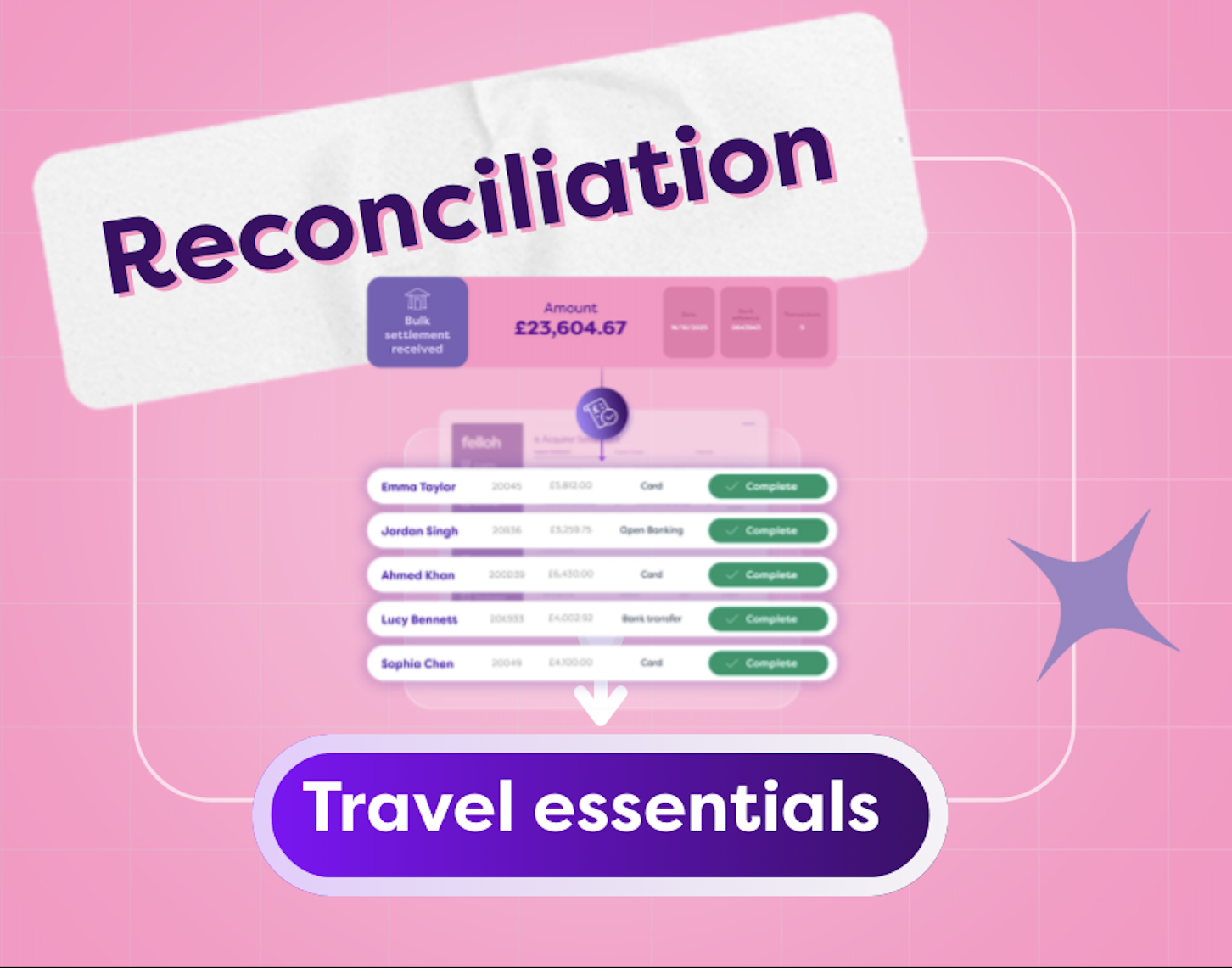
Reconciliation: What it is and why your Travel Business needs it
Why travel operators see a gap between sales records and the bank balance — and the basics of reconciling payments back to bookings.
Read article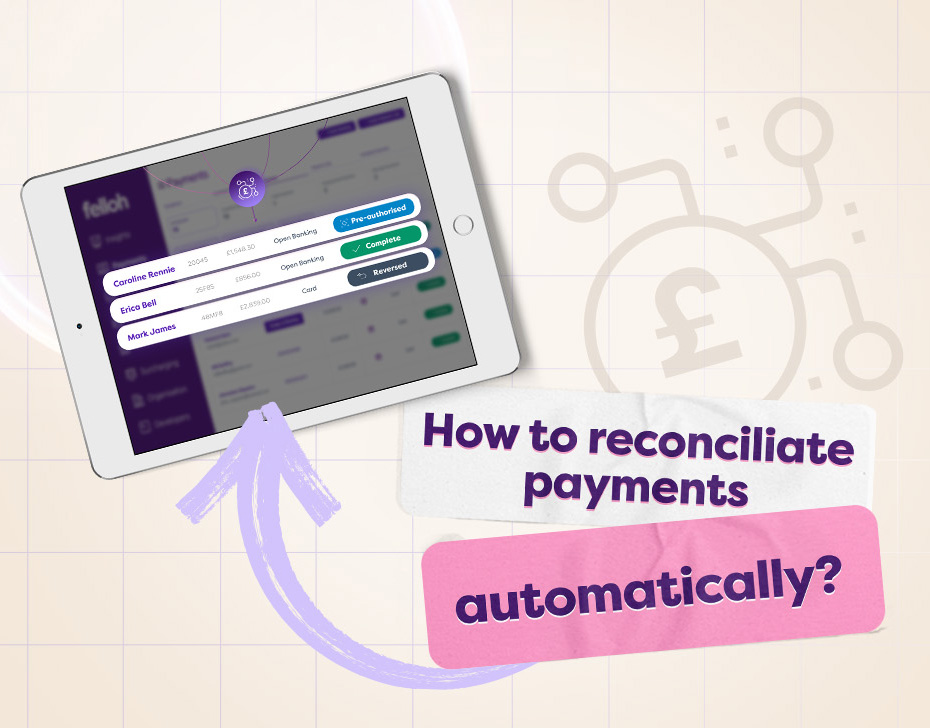 Updates
Card Payment and Bank Transaction Reconciliation Made Easy for Travel pros
With felloh we make reconciliation of card payments and bank transactions simple.
Read article
Connect the dots.
See how payments, settlement, refunds and reporting evidence connect around every booking.