
A contactless payment is a card or wallet payment made by tapping the card or device on a reader rather than inserting it and entering a PIN. It relies on NFC technology and is subject to per-transaction and rolling-total limits, beyond which the reader will request a PIN or further authentication. Contactless is one of the fastest-growing payment experiences in retail and increasingly in travel.
Travel payments glossary
Contactless payment
A payment made by tapping a card or device on a reader without entering a PIN.
Why it matters in travel
In travel, contactless matters in physical retail moments — shop counters, airport desks, on-tour purchases — where speed is part of the customer experience. The cumulative limit before a PIN is requested also influences how high-value bookings are taken in person.
The contactless limit is the quiet operational constraint behind a lot of card-present travel retail. A tour shop with a £100 limit forces customers above it into chip-and-PIN; a £200 limit lets a wider range of average-basket transactions stay contactless. Each contactless transaction is faster, less prone to error, and easier for staff to process — small efficiencies that add up.
The travel businesses that handle contactless well configure terminals to the right limit for their basket profile and keep the underlying booking-level evidence intact across the channel. The businesses that do not tune contactless treat it as a default and accept the conversion drag of unnecessary PIN entries.
How felloh helps
felloh treats contactless payments the same as any other booking-level payment, so the same matched, settled, reconciled picture applies regardless of how the customer presented their card.
The Transactions view in the dashboard records contactless captures alongside card-not-present and chip-and-PIN, with channel and method captured against the booking. Settlement reconciliation, refund handling and dispute defence all work from the same record, so high-street counter sales and online deposits land in the same finance picture.
For travel groups running physical and online together, contactless takings stop being a separate reconciliation problem. The shop floor, the airport desk and the website all feed the same booking ledger.
Where this shows up in payment collection.
Contactless payment touches more than one workflow at felloh. Start with the pages most travel teams reach for next.
- Payment Collection
Card, open banking, payment links, deposits and instalments — captured against the booking.
Explore - Payment Links
Shareable, authenticated payment links so customers pay against a specific booking without keying card details.
Explore - Embedded Checkout
Booking-aware checkout that keeps card data out of your systems and the payment trail tied to the booking.
Explore
More on collecting payments in travel.
Real-world context from the felloh team and customers, written for travel finance and operations.
 Updates
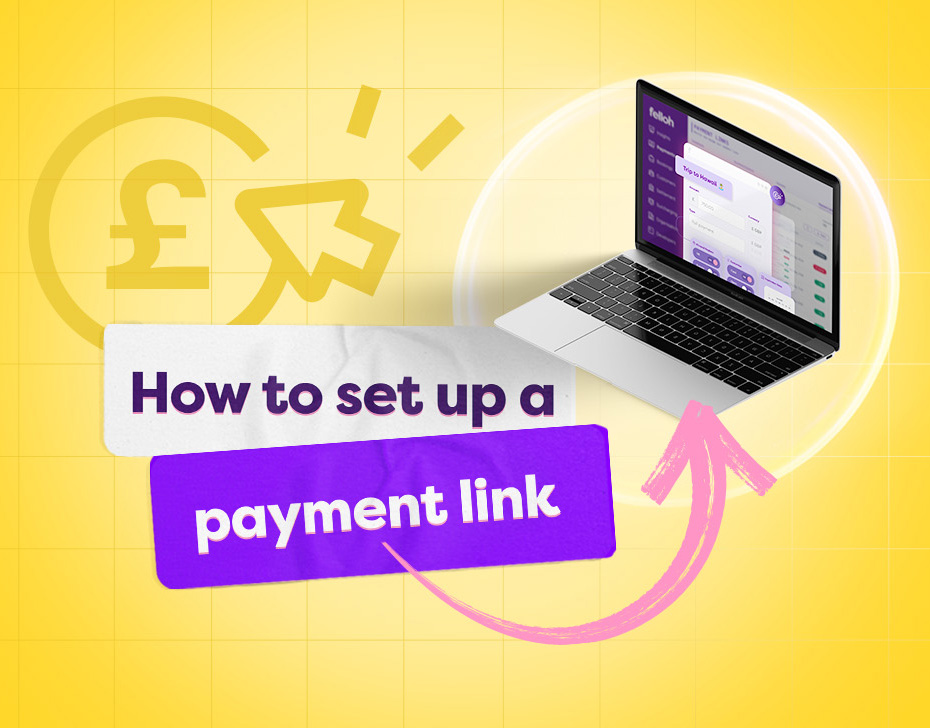
Setting up payment links manually
See how felloh connects all of your payments, cards, open banking and direct deposits with your bookings
Read article Updates
Making multi channel payments work across travel systems
Multi-channel friction in travel usually sits between booking, payment and finance systems. Connected payments keep finance teams in control.
Read article
Connect the dots.
See how payments, settlement, refunds and reporting evidence connect around every booking.