
A principal provider is an entity that holds direct membership of the card schemes (such as Visa and Mastercard) and is licensed to issue cards, acquire transactions, or both, in its own right rather than through a sponsor. Principal status carries higher capital, regulatory and operational requirements but gives more control over fees, settlement and product design.
Travel payments glossary
Principal provider
A licensed provider that holds direct membership of the card schemes.
Why it matters in travel
Most travel businesses do not need principal-provider status themselves but interact with principal acquirers and processors every day. Knowing the difference helps when negotiating settlement timing, reserves and pricing.
For a travel business negotiating with a principal acquirer, the answer to "is this rate the underwriter’s bottom line, or the sales team’s first offer?" depends on understanding where the principal sits in the scheme licence chain. Principal status means real control over fees and settlement; sponsored status means a referral to an underwriter who may not move on the offer.
The travel businesses that negotiate well treat the principal-versus-sponsor distinction as part of the conversation, not a technical footnote. They ask the right questions about settlement, reserves and risk and get answers from the entity that can actually make decisions.
How felloh helps
felloh keeps booking-level evidence consistent whether the underlying acquirer is a principal or a sponsored member, so the operational story does not change based on who sits where in the licence chain.
The dashboard’s Merchant Acquirer and Settlement views expose the underlying licence structure where it matters — settlement timing, reserves, fee structure — without the operational story changing for finance and operations. Risk Analysis ties exposure to the principal entity so the underwriter conversation has the right counterpart.
For travel businesses negotiating with principal acquirers and sponsored providers across multiple markets, the picture stays usable. Decisions about which entity to work with become commercial rather than operational, because the operational layer absorbs the difference.
Where this shows up in finance operations.
Principal provider touches more than one workflow at felloh. Start with the pages most travel teams reach for next.
- Financial Operations
Reconciliation, settlement, refunds and protected-funds workflows on one booking-aware ledger.
Explore - Automate Reconciliation
Bulk settlements unpacked to fees, refunds and chargebacks; bank transfers matched without references to chase.
Explore - Know Your Cash Position
See received, protected, committed and available cash by booking — without rebuilding the picture from exports.
Explore
More on travel finance operations.
Real-world context from the felloh team and customers, written for travel finance and operations.
 Insights
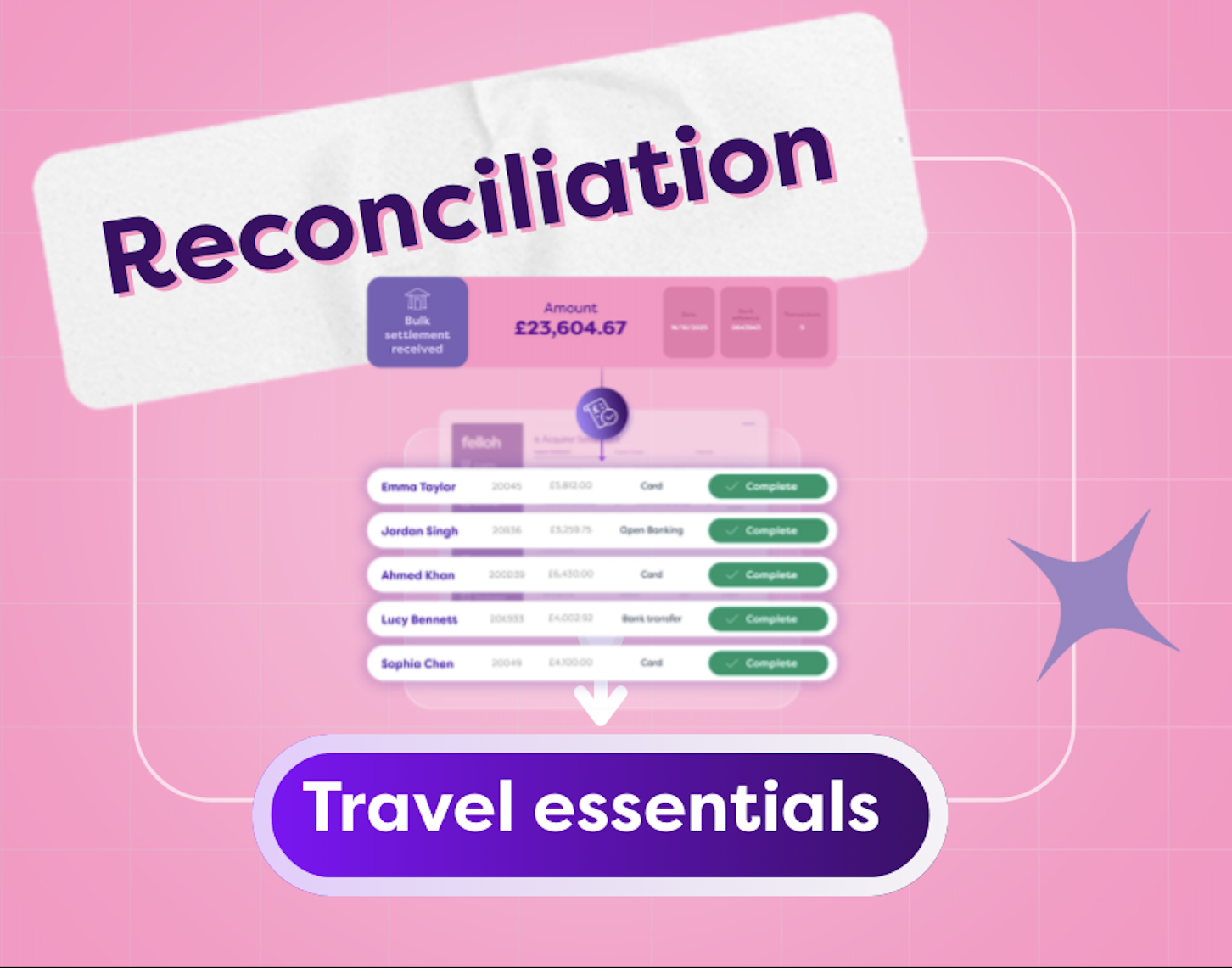
Reconciliation: What it is and why your Travel Business needs it
Why travel operators see a gap between sales records and the bank balance — and the basics of reconciling payments back to bookings.
Read article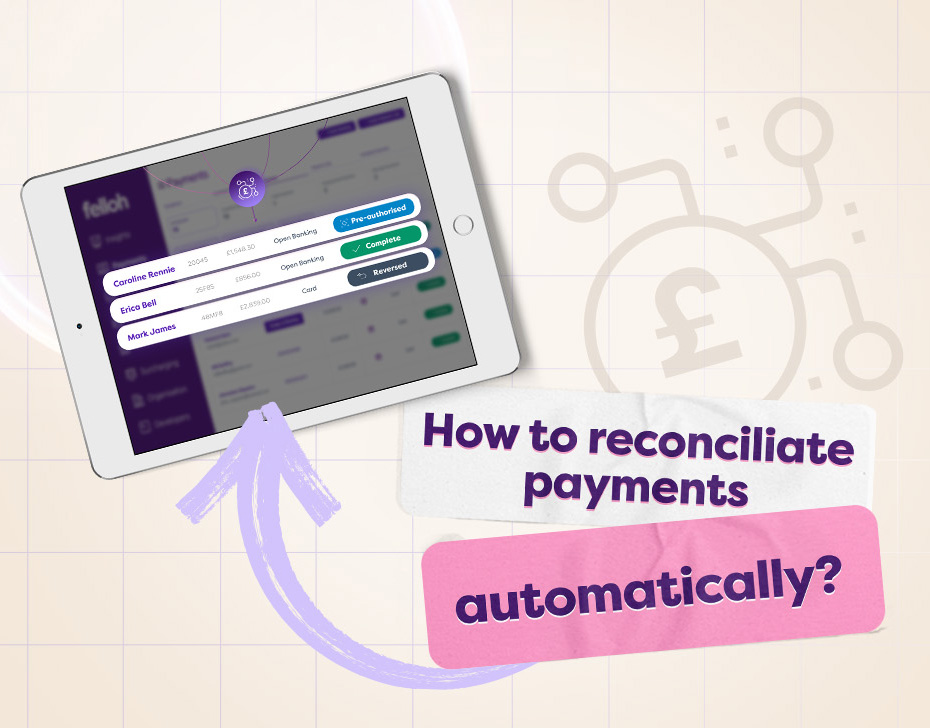 Updates
Card Payment and Bank Transaction Reconciliation Made Easy for Travel pros
With felloh we make reconciliation of card payments and bank transactions simple.
Read article
Connect the dots.
See how payments, settlement, refunds and reporting evidence connect around every booking.