
A payment portal is a customer-facing portal where customers can view outstanding amounts on their bookings, see history and make payments without contacting the agent or back office. It typically wraps payment links, hosted pages, schedule visibility and confirmation in one self-serve experience. The portal lifts collection efficiency and reduces inbound calls.
Travel payments glossary
Payment portal
A customer-facing portal where customers can view and pay outstanding amounts on their bookings.
Why it matters in travel
Travel portals matter because the time between deposit and balance is long, customers expect self-service, and the back office cannot scale by handling every balance manually. A clean portal also reduces missed balances and last-minute supplier-payment scrambles.
For a tour operator with six months between booking and departure, the portal is the only touchpoint where the customer actively manages money. If the experience is clean — every booking visible, every balance dated, every payment confirmed — the back office runs lean and the supplier deadlines hit without drama. If the experience is broken, every missed balance becomes a phone call and every phone call becomes a recited card number.
The portals that work are the ones designed against real travel flow: a customer who part-paid by card and wants to top up by open banking, a couple splitting a balance across two cards, an agent paying down a commission, a customer trying to find a payment they made six weeks ago. The portals that fail try to look like a generic e-commerce account screen and treat each payment as if it stood alone.
How felloh helps
felloh’s payment portal is a booking-aware self-serve experience that keeps the customer view, the back-office view and the finance view aligned to a single ledger per booking.
The pay-hosted customer portal lets travellers view bookings, see outstanding balances, pay via card or open banking and access receipts — all against the booking ledger felloh keeps for the operator. The dashboard’s Bookings view exposes every portal-side payment in real time, so the back-office never has to ask whether a balance has landed.
For tour operators with the long gap between deposit and balance, the portal turns balance collection from an outbound task into an inbound flow. Customers self-serve, supplier deadlines hit, and finance only deals with the genuine exceptions.
Where this shows up in payment collection.
Payment portal touches more than one workflow at felloh. Start with the pages most travel teams reach for next.
- Payment Collection
Card, open banking, payment links, deposits and instalments — captured against the booking.
Explore - Payment Links
Shareable, authenticated payment links so customers pay against a specific booking without keying card details.
Explore - Embedded Checkout
Booking-aware checkout that keeps card data out of your systems and the payment trail tied to the booking.
Explore
More on collecting payments in travel.
Real-world context from the felloh team and customers, written for travel finance and operations.
 Updates
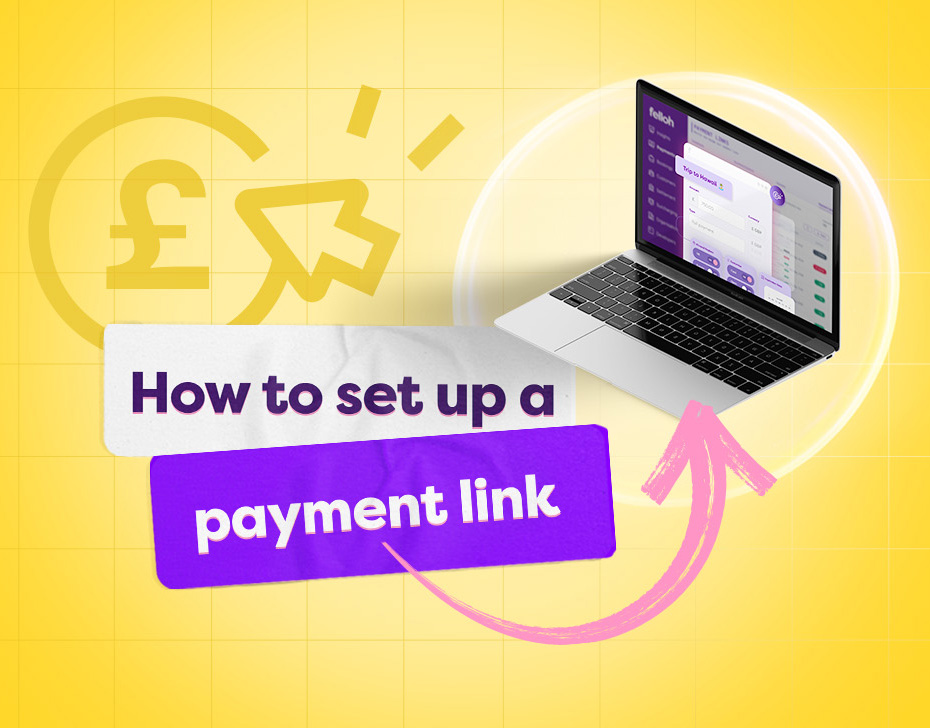
Setting up payment links manually
See how felloh connects all of your payments, cards, open banking and direct deposits with your bookings
Read article Updates
Making multi channel payments work across travel systems
Multi-channel friction in travel usually sits between booking, payment and finance systems. Connected payments keep finance teams in control.
Read article
Connect the dots.
See how payments, settlement, refunds and reporting evidence connect around every booking.