
Insolvency protection is the umbrella term for schemes that ringfence or insure customer money paid for travel that has not yet been delivered, so customers either get a refund or get repatriated if the travel business fails. In the UK, the primary schemes are ATOL (administered by the Civil Aviation Authority and funded through the Air Travel Trust via APC contributions), ABTA bonding, ABTOT for non-flight packages, CAA-approved trust accounts and insurance-backed protection arranged through specialist providers. Different combinations apply depending on what is being sold, who is selling it and how the booking is structured under the Package Travel Regulations.
Travel payments glossary
Insolvency protection
Schemes that protect customer money if a travel business fails before travel is delivered.
Why it matters in travel
For UK travel businesses, insolvency protection is not optional and not a marketing choice — it is a regulatory obligation embedded in the Package Travel Regulations and adjacent regimes. The right scheme depends on what is being sold (flight-inclusive or not), the size of the operation, the trust arrangement in place and whether the business is an ATOL franchise member, a Small Business ATOL, a Standard ATOL or an ABTOT-bonded non-flight operator. Each route carries different reporting cadences, different audit expectations and different cost structures.
The customer-facing answer is simple: if the travel business fails, the customer is made whole. The operational answer is much harder. Insolvency protection requires the business to evidence — to the CAA, to a trustee, to a bonding provider, to an insurer — that customer money is genuinely protected at every point in the booking lifecycle. That evidence is built from booking, payment, settlement, refund and supplier data, and finance teams without a connected ledger spend significant time reconstructing it for every reporting cycle.
Tour operator financial protection is essentially the same conversation framed in operator language. Whether a business operates under ATOL, ABTOT, an insurance-backed scheme like TOPP via a specialist insurer, or a trust account model, the underlying mechanic is the same: customer money has to be defensibly accounted for between deposit and travel, and the reporting evidence has to satisfy the scheme administrator as well as the auditor.
How felloh helps
felloh keeps every payment, refund and protected-funds movement attached to the booking that generated it, so the evidence each insolvency protection scheme needs is built from connected data rather than rebuilt from disconnected exports every quarter or every renewal cycle.
In the dashboard, the Bookings, Settlements and Audit views show customer money as it moves between received, protected and available across the booking lifecycle. APC for ATOL holders, trust documentation for CAA-approved trust accounts and bonding evidence for ABTOT members are all built from the same booking-level ledger that finance and operations use every day.
The practical effect is that insolvency protection reporting stops being a separate exercise. APC quarterly returns, trustee documentation, audit packs and underwriter reviews share one evidence trail. Travel businesses with multiple schemes layered on top of each other (an ATOL plus a trust account, say) avoid having to maintain parallel finance pictures for each.
Where this shows up in finance operations.
Insolvency protection touches more than one workflow at felloh. Start with the pages most travel teams reach for next.
- Financial Operations
Reconciliation, settlement, refunds and protected-funds workflows on one booking-aware ledger.
Explore - Automate Reconciliation
Bulk settlements unpacked to fees, refunds and chargebacks; bank transfers matched without references to chase.
Explore - Know Your Cash Position
See received, protected, committed and available cash by booking — without rebuilding the picture from exports.
Explore
More on travel finance operations.
Real-world context from the felloh team and customers, written for travel finance and operations.
 Insights
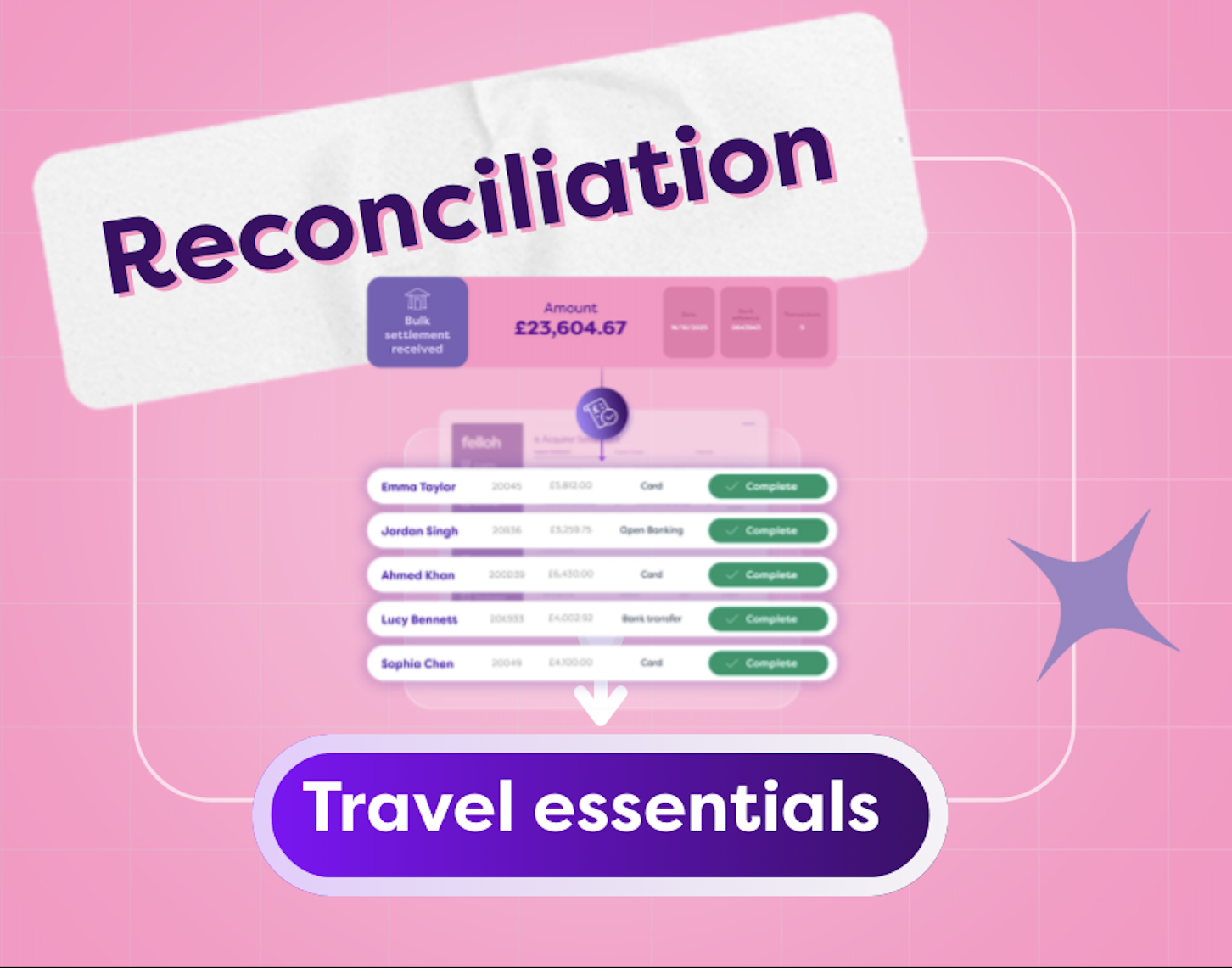
Reconciliation: What it is and why your Travel Business needs it
Why travel operators see a gap between sales records and the bank balance — and the basics of reconciling payments back to bookings.
Read article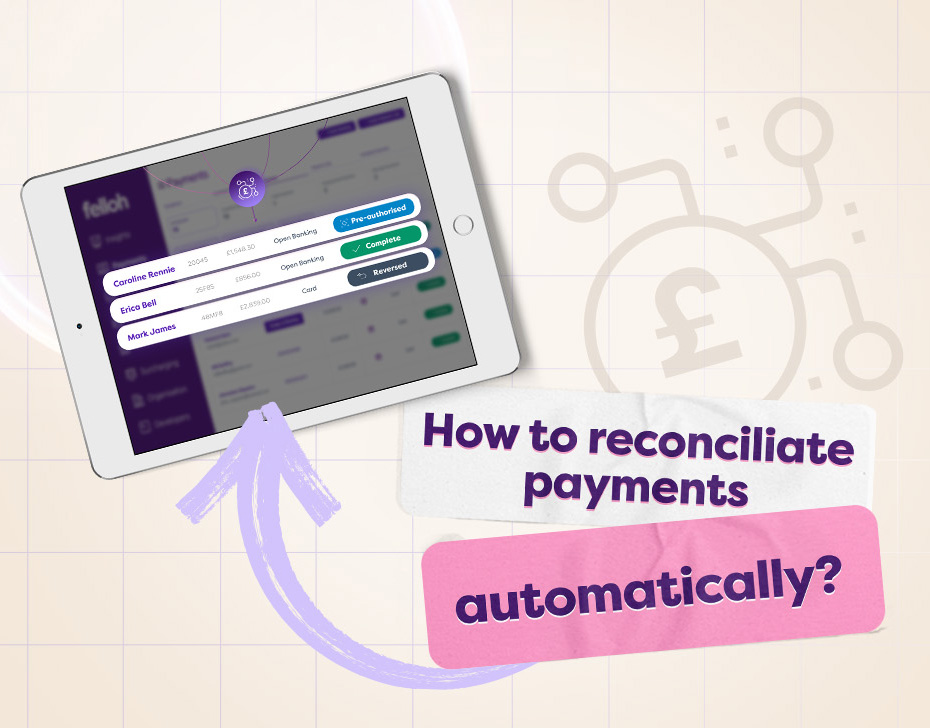 Updates
Card Payment and Bank Transaction Reconciliation Made Easy for Travel pros
With felloh we make reconciliation of card payments and bank transactions simple.
Read article
Connect the dots.
See how payments, settlement, refunds and reporting evidence connect around every booking.