
A holdback is an amount of money the acquirer retains from settlement to cover potential future losses — typically chargebacks, refunds or supplier failures. It can be a fixed amount, a percentage of monthly volume, or a rolling reserve that grows and releases over time. Holdbacks are negotiated as part of merchant onboarding and renegotiated when risk profile changes.
Travel payments glossary
Holdback
Funds held back by an acquirer against future risk such as chargebacks or refunds.
Why it matters in travel
Travel acquirers often impose holdbacks because customer money is taken months before departure and a supplier failure can trigger large chargeback waves. The holdback affects working capital and, ultimately, how much cash a travel business has available for supplier payments.
A holdback is the acquirer’s price for accepting forward exposure. The size and term are negotiated against the perceived risk of supplier failure, chargeback velocity and refund volume — which means a travel business that can demonstrate clean evidence on all three has a stronger case for a lower hold. The number itself is significant: a 5% holdback on a £20m brand is £1m of cash deferred.
Travel businesses that manage holdbacks well treat them as part of working-capital planning, not as a fixed cost of doing business. They renegotiate during contract review with booking-level evidence, they shift volume between acquirers where the holdback differs materially, and they model the cash impact alongside the cost impact when comparing offers.
How felloh helps
felloh keeps holdback movements visible alongside the underlying settlement so finance teams can plan operating cash and supplier payments against what is actually available rather than what was sold.
The Settlement and Risk Analysis views in the dashboard expose holdback movements against the underlying bookings, with the build-up, release and net impact tracked over time. The Cashflow view rolls the available position up so supplier-payment planning sees real cash rather than topline takings.
For travel finance leaders negotiating with acquirers about reserves, the evidence sits ready. The chargeback ratio, supplier exposure and refund handling that the underwriter cares about are all visible in the same dashboard, so the conversation starts from data rather than apology.
Where this shows up in finance operations.
Holdback touches more than one workflow at felloh. Start with the pages most travel teams reach for next.
- Financial Operations
Reconciliation, settlement, refunds and protected-funds workflows on one booking-aware ledger.
Explore - Automate Reconciliation
Bulk settlements unpacked to fees, refunds and chargebacks; bank transfers matched without references to chase.
Explore - Know Your Cash Position
See received, protected, committed and available cash by booking — without rebuilding the picture from exports.
Explore
More on travel finance operations.
Real-world context from the felloh team and customers, written for travel finance and operations.
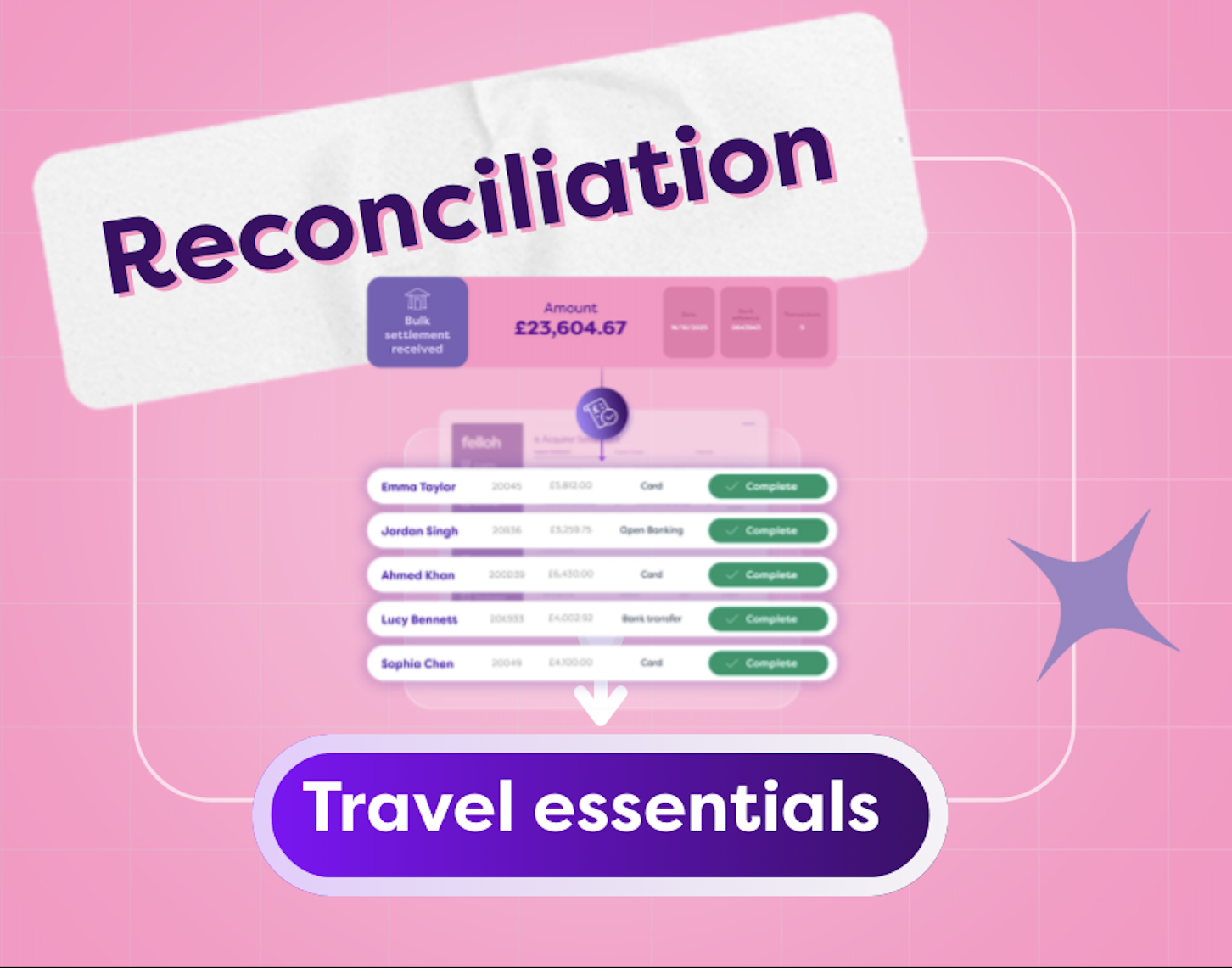 Insights
Reconciliation: What it is and why your Travel Business needs it
Why travel operators see a gap between sales records and the bank balance — and the basics of reconciling payments back to bookings.
Read article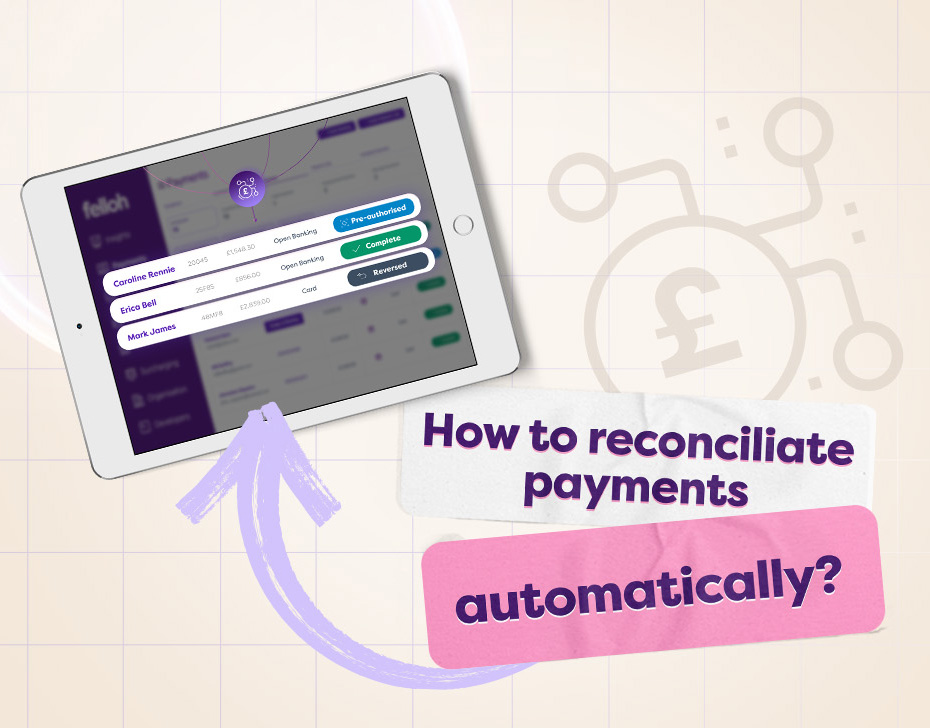 Updates
Card Payment and Bank Transaction Reconciliation Made Easy for Travel pros
With felloh we make reconciliation of card payments and bank transactions simple.
Read article
Connect the dots.
See how payments, settlement, refunds and reporting evidence connect around every booking.