
A rolling reserve is a percentage of the merchant’s settlement that the acquirer holds back as a security buffer and releases on a rolling schedule, often 6 to 12 months later. It is most common in higher-risk sectors such as travel, where customer money can be taken months before service is delivered. Rolling reserves directly affect available working capital.
Travel payments glossary
Rolling reserve
A reserve of funds held by the acquirer that releases on a rolling schedule.
Why it matters in travel
Travel businesses often run with significant rolling reserves at their acquirer because of forward exposure on bookings. Watching reserve build-up, release and net impact is essential to keeping operating cash and supplier payments on schedule.
A rolling reserve is one of the largest invisible cash drags on a growing travel business. A 10% reserve held for nine months on a brand doing £20m a year is £1.5m of cash that is not available for supplier payments, growth or contingency — and the more the brand grows, the more the reserve grows with it. Many travel finance leaders only model this once their cash gets tight.
The teams that manage reserves well negotiate them deliberately, with booking-level evidence of low chargeback ratios, healthy refund handling and clean supplier exposure. The teams that do not negotiate accept whatever the acquirer underwrites in year one and discover years later that they have left meaningful working capital on the table.
How felloh helps
felloh keeps rolling reserve movements visible alongside the underlying settlement and booking trail so finance teams can plan cash with full awareness of what is held versus what is available.
The Settlement and Risk Analysis views in the dashboard track reserve build-up, release schedule and net impact against the underlying bookings. The Cashflow view rolls available cash up against the reserve position so operating-cash planning sees the real picture rather than topline takings.
For finance directors negotiating reserves with acquirers, the evidence sits ready. Chargeback ratio, supplier exposure and refund handling that drive reserve decisions are all visible in one place, and the conversation about reducing the reserve becomes a data-led discussion rather than a request for goodwill.
Where this shows up in finance operations.
Rolling reserve touches more than one workflow at felloh. Start with the pages most travel teams reach for next.
- Financial Operations
Reconciliation, settlement, refunds and protected-funds workflows on one booking-aware ledger.
Explore - Automate Reconciliation
Bulk settlements unpacked to fees, refunds and chargebacks; bank transfers matched without references to chase.
Explore - Know Your Cash Position
See received, protected, committed and available cash by booking — without rebuilding the picture from exports.
Explore
More on travel finance operations.
Real-world context from the felloh team and customers, written for travel finance and operations.
 Insights
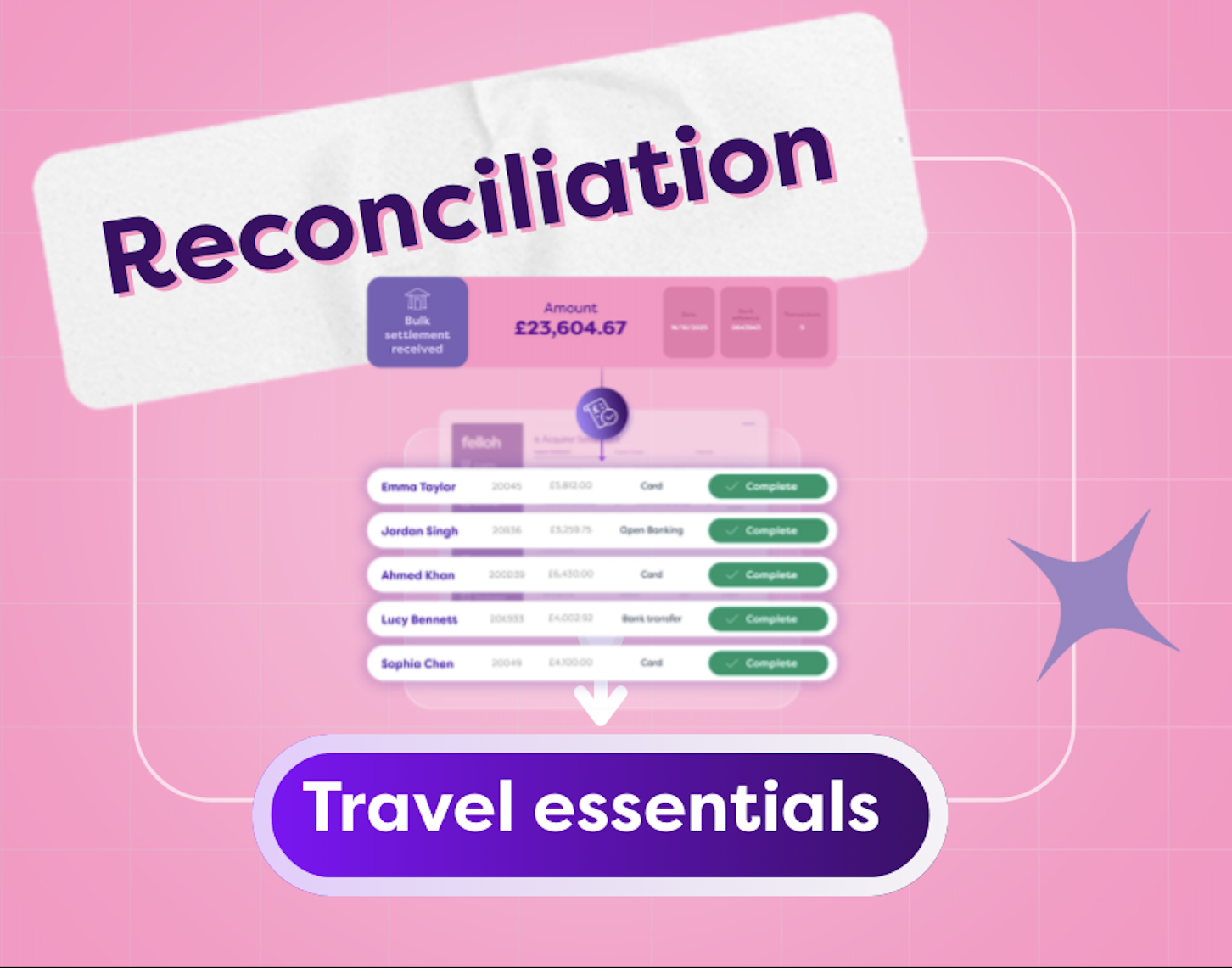
Reconciliation: What it is and why your Travel Business needs it
Why travel operators see a gap between sales records and the bank balance — and the basics of reconciling payments back to bookings.
Read article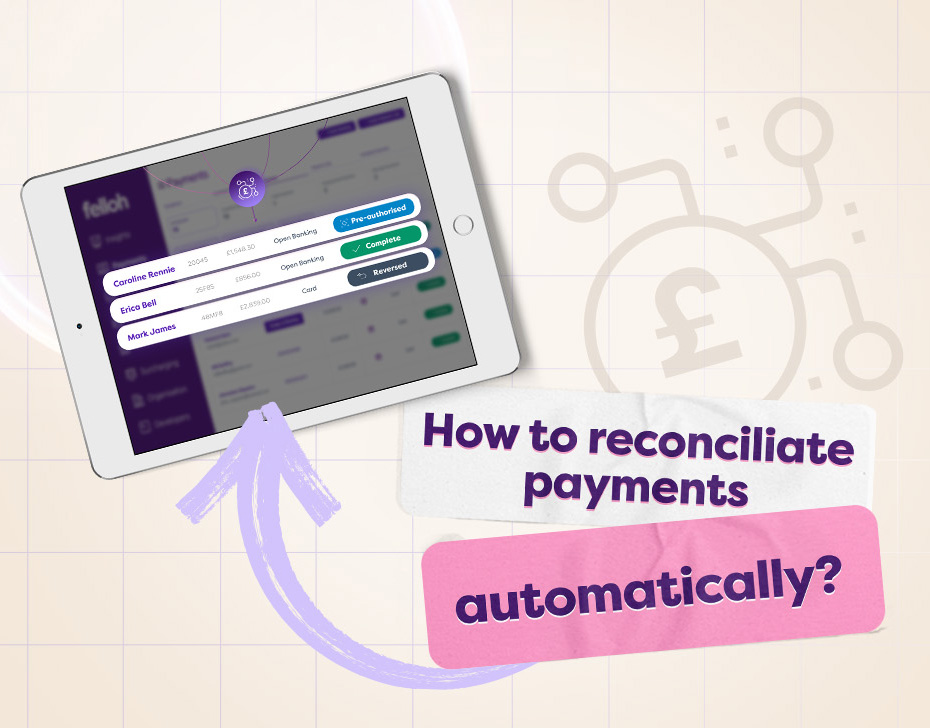 Updates
Card Payment and Bank Transaction Reconciliation Made Easy for Travel pros
With felloh we make reconciliation of card payments and bank transactions simple.
Read article
Connect the dots.
See how payments, settlement, refunds and reporting evidence connect around every booking.