
Gross settlement is the model where the acquirer pays out the full transaction value into the merchant bank account and then collects fees, refunds and any chargebacks separately, usually on a different schedule. It contrasts with net settlement, where fees are deducted before settlement so the merchant only sees the net amount arrive. Gross settlement gives the merchant a cleaner gross-revenue view at the cost of an extra fee reconciliation step.
Travel payments glossary
Gross settlement
Settlement where the full transaction value is paid out before fees are deducted separately.
Why it matters in travel
Travel finance teams reporting on gross revenue prefer gross settlement because it removes the need to back out fees before reporting. The trade-off is that fees, refunds and chargebacks arrive on their own timetable and have to be reconciled against the original payment to keep the cost picture honest.
Gross settlement is the cleaner picture for reporting but the harder picture for cash planning. Money arrives looking like topline revenue, then leaves later as fees, refunds and chargebacks — and the gap between the two can mask real problems. A growing business looking only at gross can convince itself it is healthier than it is.
The teams that report well on gross settlement also track the lag between gross arrival and the offsetting cost flows, and tie both back to the booking that drove them. That way the gross number is honest and the net picture is available the moment it is needed. The teams that do not reconcile the two have arguments at the board table about which number is correct.
How felloh helps
felloh reconciles gross and net flows automatically, splitting bulk settlements into per-booking fees, refunds and chargebacks so finance gets both the gross revenue picture and the true cost picture without manual extraction.
The Settlement view in the dashboard shows gross arrivals against the bookings that drove them, with the offsetting fee, refund and chargeback flows reconciled back to the same record. The Cashflow view exposes the lag between gross arrival and net cost so finance teams running on gross reporting still see the real picture.
For travel finance teams reporting on gross revenue while managing real cash, the gap disappears. Topline reports stay clean, and the underlying cost picture is honest without anyone having to back fees out of a spreadsheet.
Where this shows up in finance operations.
Gross settlement touches more than one workflow at felloh. Start with the pages most travel teams reach for next.
- Financial Operations
Reconciliation, settlement, refunds and protected-funds workflows on one booking-aware ledger.
Explore - Automate Reconciliation
Bulk settlements unpacked to fees, refunds and chargebacks; bank transfers matched without references to chase.
Explore - Know Your Cash Position
See received, protected, committed and available cash by booking — without rebuilding the picture from exports.
Explore
More on travel finance operations.
Real-world context from the felloh team and customers, written for travel finance and operations.
 Insights
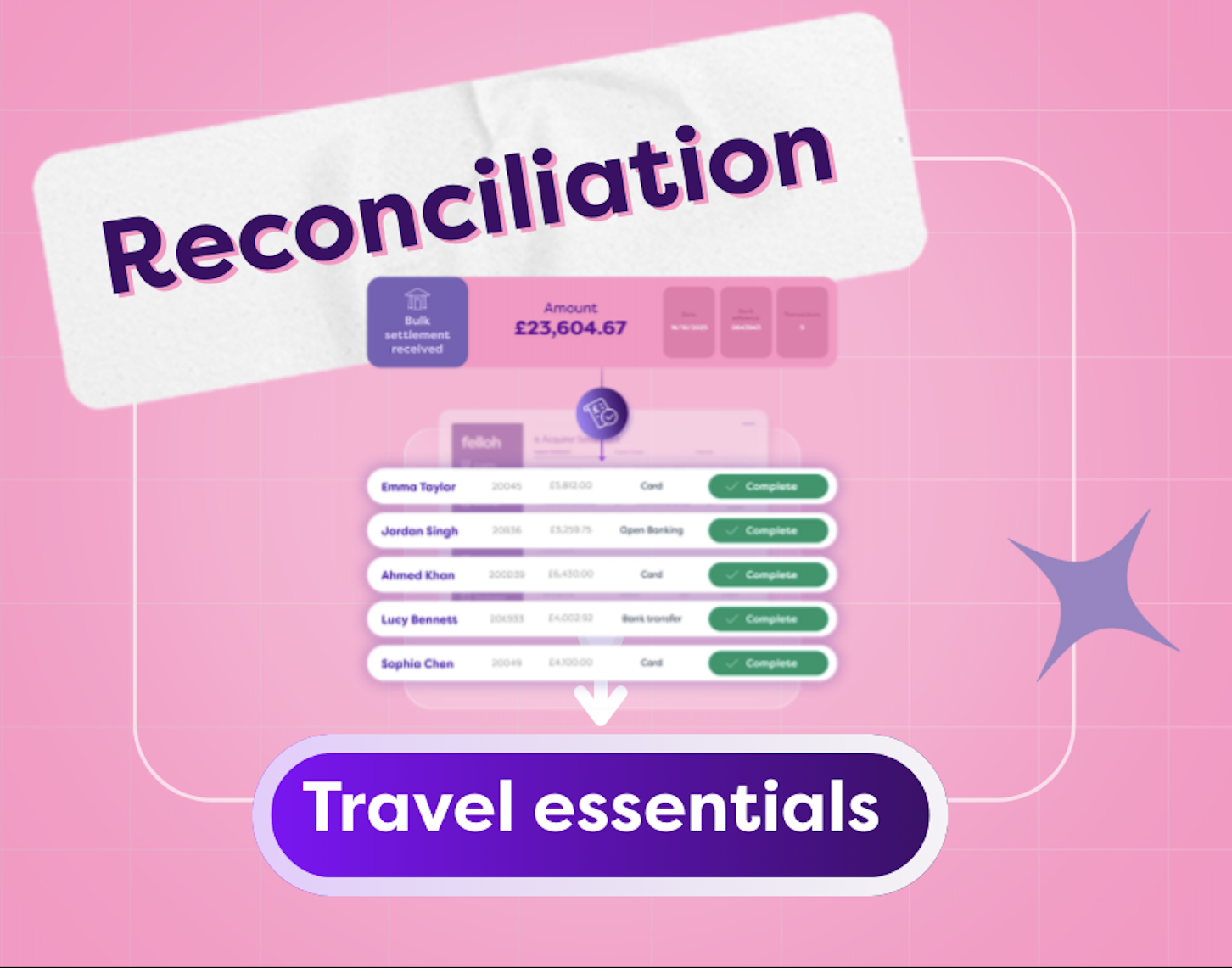
Reconciliation: What it is and why your Travel Business needs it
Why travel operators see a gap between sales records and the bank balance — and the basics of reconciling payments back to bookings.
Read article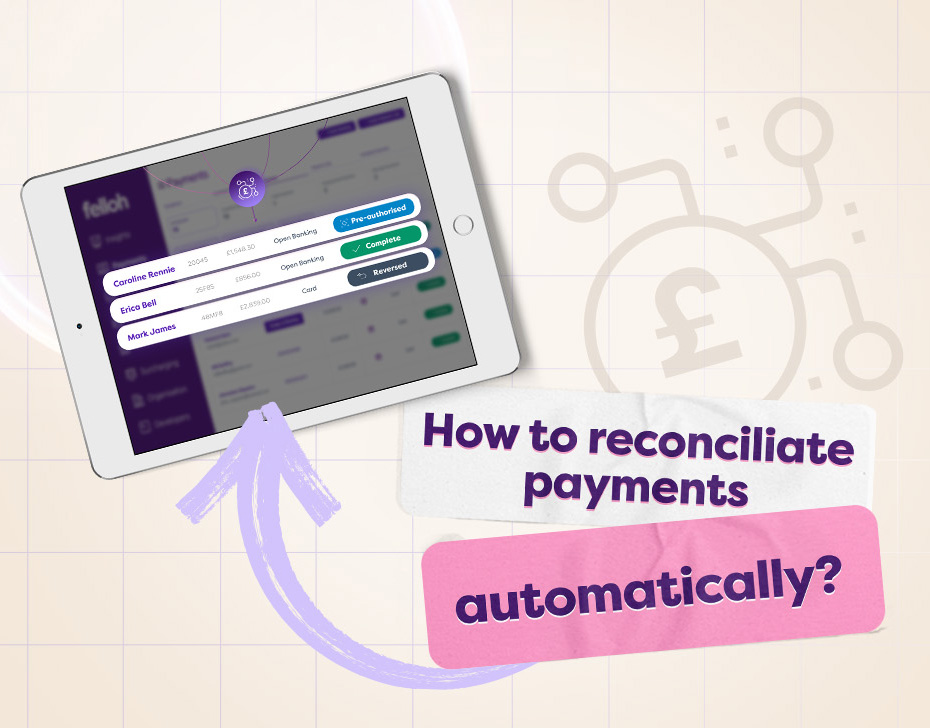 Updates
Card Payment and Bank Transaction Reconciliation Made Easy for Travel pros
With felloh we make reconciliation of card payments and bank transactions simple.
Read article
Connect the dots.
See how payments, settlement, refunds and reporting evidence connect around every booking.