
A clearing house is the institution that processes the exchange of payment instructions and balances between banks, ensuring that the amounts owed in each direction are netted and ready for settlement through the central bank or scheme infrastructure. For card payments, the scheme effectively performs the clearing-house function; for bank transfers, it is the clearing house operated by the relevant payments system.
Travel payments glossary
Clearing house
The institution that processes the exchange of payment instructions and balances between banks.
Why it matters in travel
Travel businesses rarely interact with a clearing house directly, but its cycles dictate when funds actually become available. A clearing-house holiday or technical incident can move settlement dates and create temporary cash-flow pressure even when individual payments look healthy.
When a clearing house has a bad day, the consequences for travel finance teams can be immediate even if invisible to the customer. A delayed clearing batch shifts settlement, and a delayed settlement shifts the supplier payment cycle. A travel business with thin operating cash can feel the gap as a real problem for days.
The travel businesses that plan well treat clearing-cycle disruption as a known operational risk and keep enough buffer for the occasional bad day. The businesses that do not feel each disruption as an emergency and stretch credit lines they had not intended to use.
How felloh helps
felloh keeps clearing-cycle context alongside the booking so finance teams can plan supplier payments against the real settlement timetable rather than the booking date.
The Settlement and Cashflow views in the dashboard reflect clearing-cycle context — banking holidays, scheme cycles, regional incidents — so anticipated settlement dates stay honest even when the underlying clearing house has a disrupted day. Where a date moves, the reason is recorded against the settlement record.
For finance teams previously caught out by clearing-house holidays they did not realise applied to their settlement, the picture stays accurate. Supplier payments leave on dates that reflect real cash availability rather than the booking calendar.
Where this shows up in finance operations.
Clearing house touches more than one workflow at felloh. Start with the pages most travel teams reach for next.
- Financial Operations
Reconciliation, settlement, refunds and protected-funds workflows on one booking-aware ledger.
Explore - Automate Reconciliation
Bulk settlements unpacked to fees, refunds and chargebacks; bank transfers matched without references to chase.
Explore - Know Your Cash Position
See received, protected, committed and available cash by booking — without rebuilding the picture from exports.
Explore
More on travel finance operations.
Real-world context from the felloh team and customers, written for travel finance and operations.
 Insights
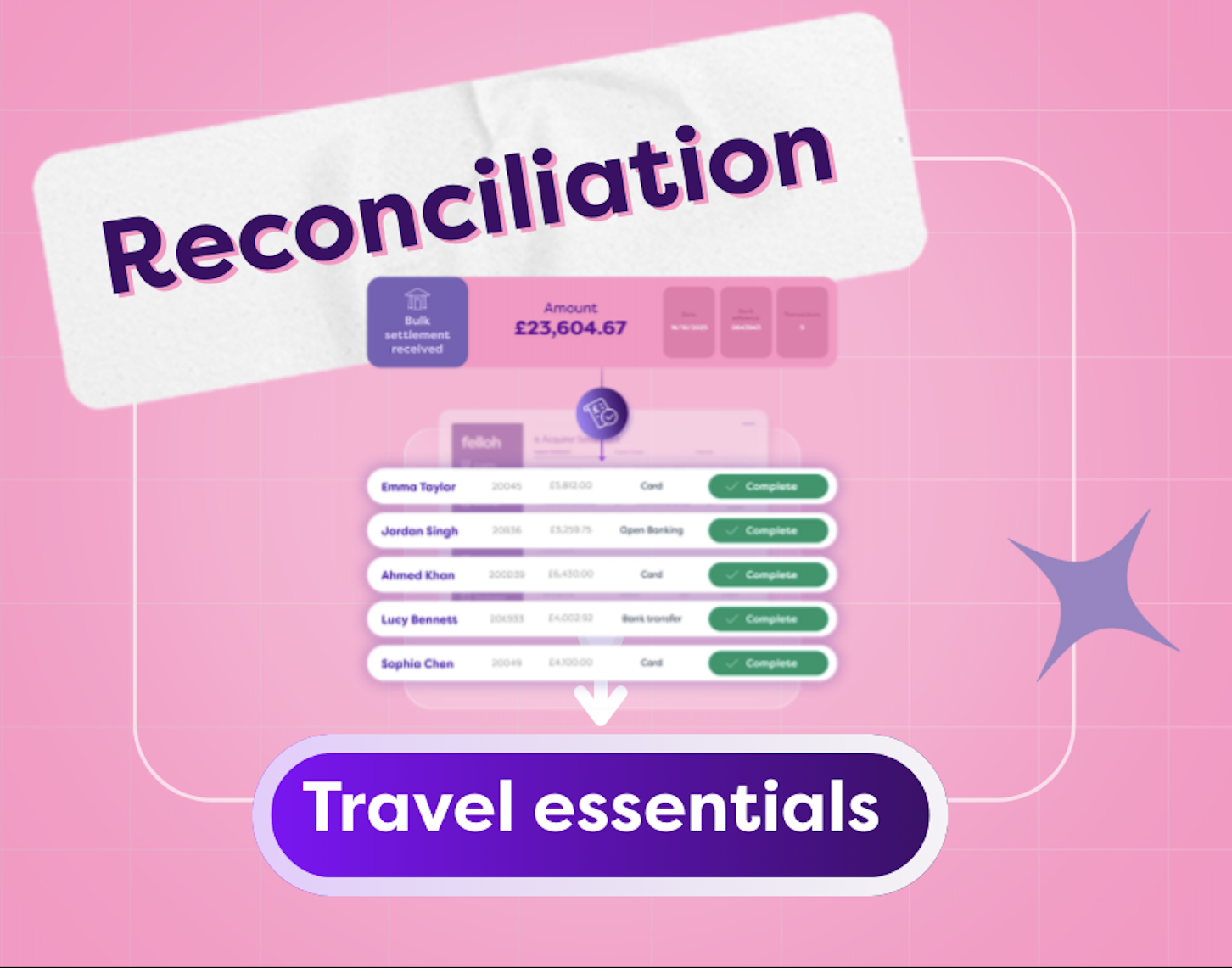
Reconciliation: What it is and why your Travel Business needs it
Why travel operators see a gap between sales records and the bank balance — and the basics of reconciling payments back to bookings.
Read article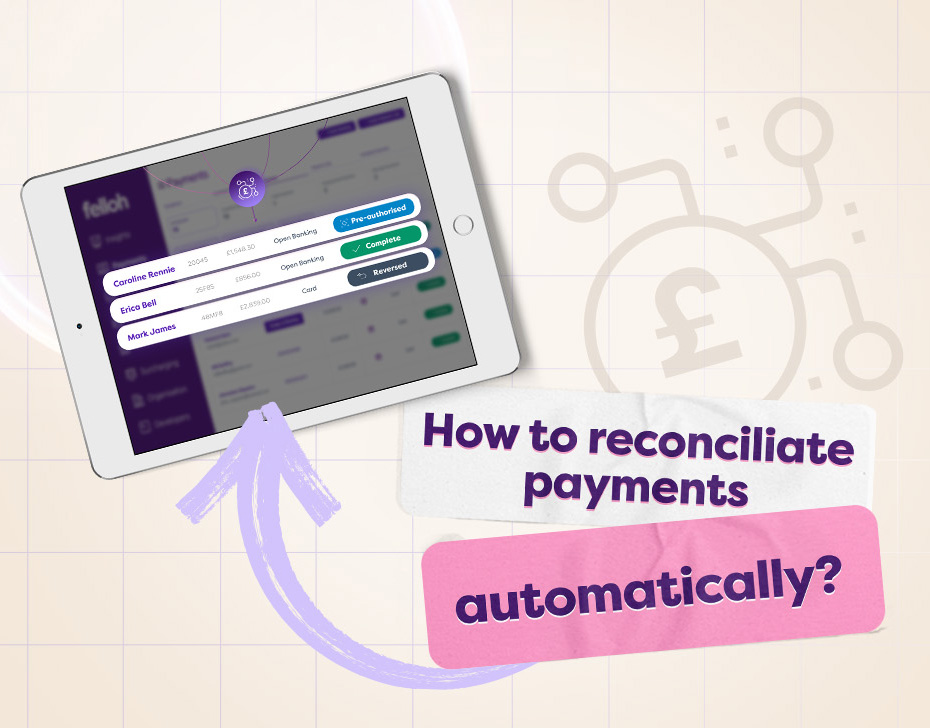 Updates
Card Payment and Bank Transaction Reconciliation Made Easy for Travel pros
With felloh we make reconciliation of card payments and bank transactions simple.
Read article
Connect the dots.
See how payments, settlement, refunds and reporting evidence connect around every booking.