
Back-office reconciliation is the operational process of matching payments, refunds, chargebacks, fees and settlements across multiple systems so that the finance picture stays consistent. It typically spans the acquirer settlement file, the booking platform, the bank statement and the accounting ledger. A clean reconciliation tells finance which bookings are paid, which payments have settled, what is outstanding, and where the picture has drifted.
Travel payments glossary
Back-office reconciliation
The process of matching payment activity, settlement and booking records so the finance picture is consistent.
Why it matters in travel
Travel reconciliation is harder than most sectors because the booking, payment and supplier-payment timelines do not line up. A holiday booked in January for August travel can have a deposit reconciled this month, a balance reconciled in May, a supplier payment in June and a refund posted in August — all against the same booking record. Without a single source of truth, the work compounds.
Reconciliation work in travel is rarely visible above the finance team — but it is where most of the operational cost lives. The team that closes a clean month is usually doing so by re-keying settlement files into spreadsheets, chasing references on incoming bank transfers and matching consortium remittances by hand. The cost is real but invisible to the rest of the business.
The travel businesses that have automated reconciliation properly close days faster, run leaner finance teams and onboard new brands without proportionate cost. The businesses that have not done so quietly hire one more person every time volume grows by 30%. Reconciliation is the most under-rated operational lever in travel finance.
How felloh helps
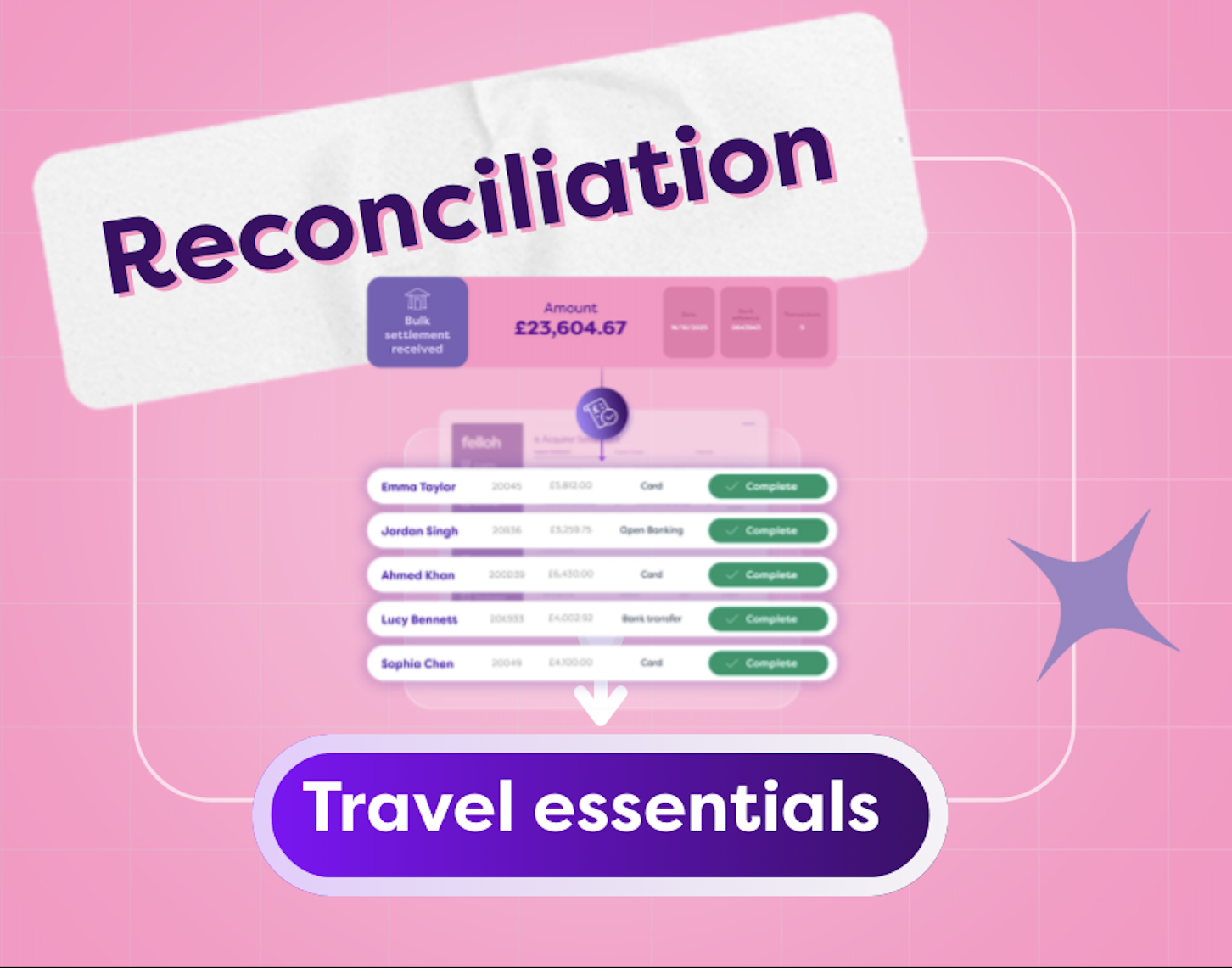
felloh automates booking-level reconciliation by unpacking acquirer settlements, matching bank transfers to bookings without references, and surfacing the exceptions that do need a human eye. The picture stays consistent without the spreadsheet layer.
The dashboard surfaces reconciliation across Bookings, Transactions, Settlement, Merchant Acquirer batches and Cashflow — all reading from the same booking-level ledger. Where a payment arrives without a clean reference, AISP and machine matching close the gap before anyone has to look at it; where a settlement file lands, it unpacks into per-booking fees, refunds and chargebacks automatically.
For a finance team that used to lose three days a month to reconciliation, the work goes from manual matching to exception review. The picture is ready when finance opens the dashboard in the morning rather than something they have to assemble across a working week.
Where this shows up in finance operations.
Back-office reconciliation touches more than one workflow at felloh. Start with the pages most travel teams reach for next.
- Financial Operations
Reconciliation, settlement, refunds and protected-funds workflows on one booking-aware ledger.
Explore - Automate Reconciliation
Bulk settlements unpacked to fees, refunds and chargebacks; bank transfers matched without references to chase.
Explore - Know Your Cash Position
See received, protected, committed and available cash by booking — without rebuilding the picture from exports.
Explore
More on travel finance operations.
Real-world context from the felloh team and customers, written for travel finance and operations.
 Insights
Reconciliation: What it is and why your Travel Business needs it
Why travel operators see a gap between sales records and the bank balance — and the basics of reconciling payments back to bookings.
Read article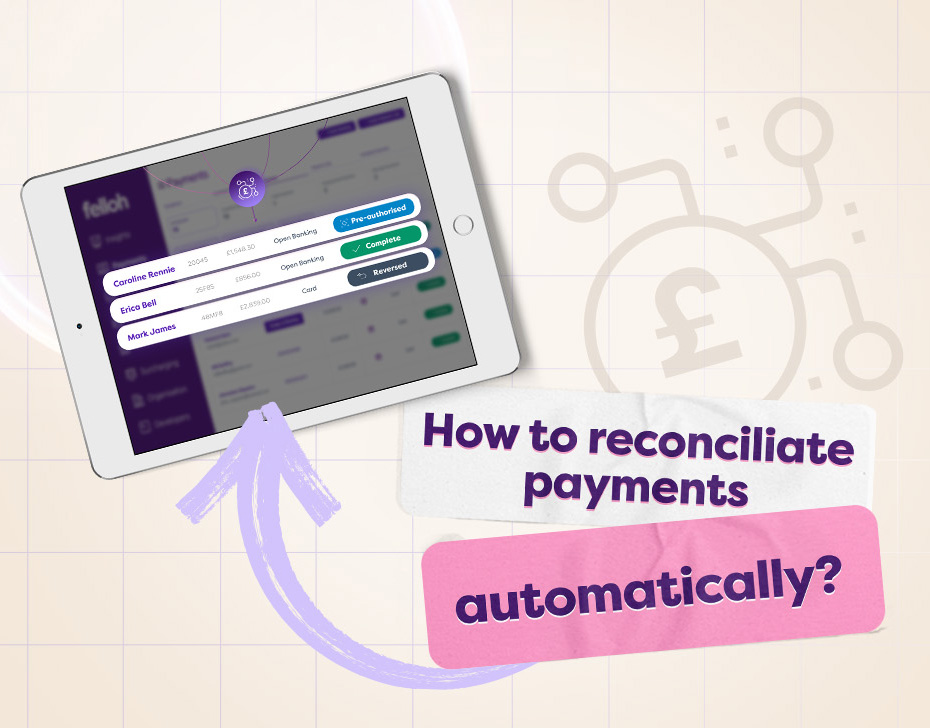 Updates
Card Payment and Bank Transaction Reconciliation Made Easy for Travel pros
With felloh we make reconciliation of card payments and bank transactions simple.
Read article
Connect the dots.
See how payments, settlement, refunds and reporting evidence connect around every booking.