
An authorisation code is the unique reference number a card issuer returns when it approves a payment request from the acquirer. It confirms that the cardholder had enough credit or balance and that the transaction passed the issuer’s checks, and is the reference that has to be quoted if the merchant later needs to capture, void, refund or dispute the transaction. The code is normally six characters and is logged against the transaction by both the acquirer and the merchant.
Travel payments glossary
Authorisation code
The reference number a card issuer returns when it approves a transaction.
Why it matters in travel
In travel, the authorisation code is the proof a payment was approved at the moment of booking, even if the funds are captured later. Storing it cleanly against the booking matters when handling pre-authorisations on deposits, balances captured weeks later, partial refunds and chargeback responses where the merchant has to evidence approval history.
A travel booking can have a deposit authorised today, a balance authorised in five months, two ancillaries authorised on-tour and a refund issued post-trip — each with its own authorisation code. Keeping the codes attached to the same record makes refund, chargeback and customer-support work tractable; losing them across systems is a recurring source of unnecessary work.
The travel businesses with healthy authorisation evidence resolve customer queries in seconds because the code, the booking and the supplier-payment record are all in one place. The businesses that have to assemble it on demand handle queries in minutes and disputes in hours.
How felloh helps
felloh stores authorisation codes alongside the booking and payment trail so the evidence is available without leaving the system, whether the question comes from a customer, an acquirer or a scheme dispute team.
The dashboard’s Transactions view exposes every authorisation code against the booking, alongside the capture, settlement and any refund. Where a booking carried multiple authorisations — a deposit, a balance, ancillaries on tour — each one is recorded with the timestamp, amount and originating channel.
For customer support handling a "did this go through" call, the answer is one click away. For dispute teams gathering representment evidence, the authorisation history is already in the same record as the booking and supplier-payment trail — no more cross-referencing acquirer portals.
Where this shows up in finance operations.
Authorisation code touches more than one workflow at felloh. Start with the pages most travel teams reach for next.
- Financial Operations
Reconciliation, settlement, refunds and protected-funds workflows on one booking-aware ledger.
Explore - Automate Reconciliation
Bulk settlements unpacked to fees, refunds and chargebacks; bank transfers matched without references to chase.
Explore - Know Your Cash Position
See received, protected, committed and available cash by booking — without rebuilding the picture from exports.
Explore
More on travel finance operations.
Real-world context from the felloh team and customers, written for travel finance and operations.
 Insights
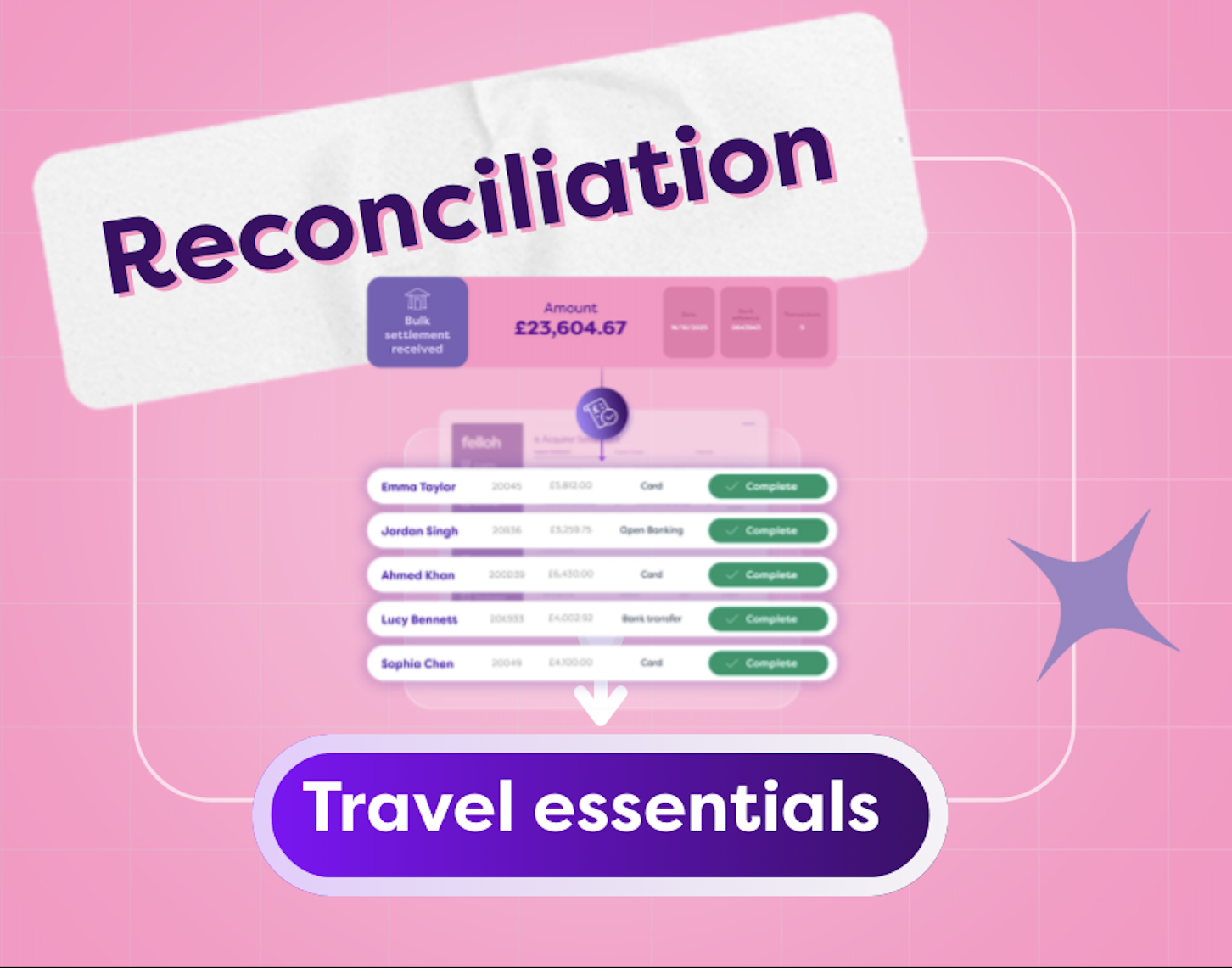
Reconciliation: What it is and why your Travel Business needs it
Why travel operators see a gap between sales records and the bank balance — and the basics of reconciling payments back to bookings.
Read article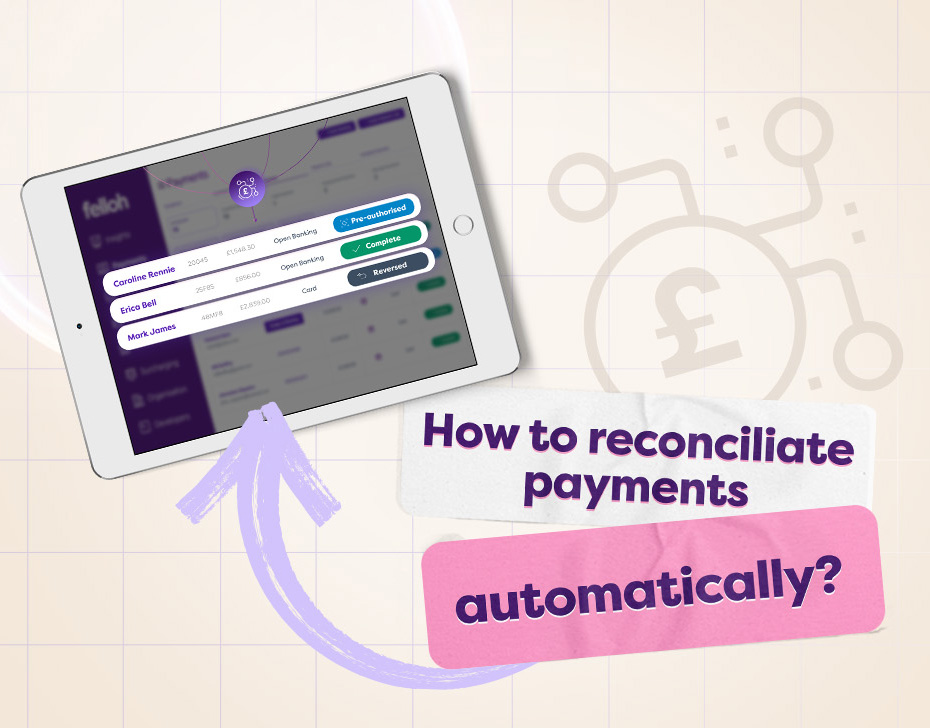 Updates
Card Payment and Bank Transaction Reconciliation Made Easy for Travel pros
With felloh we make reconciliation of card payments and bank transactions simple.
Read article
Connect the dots.
See how payments, settlement, refunds and reporting evidence connect around every booking.