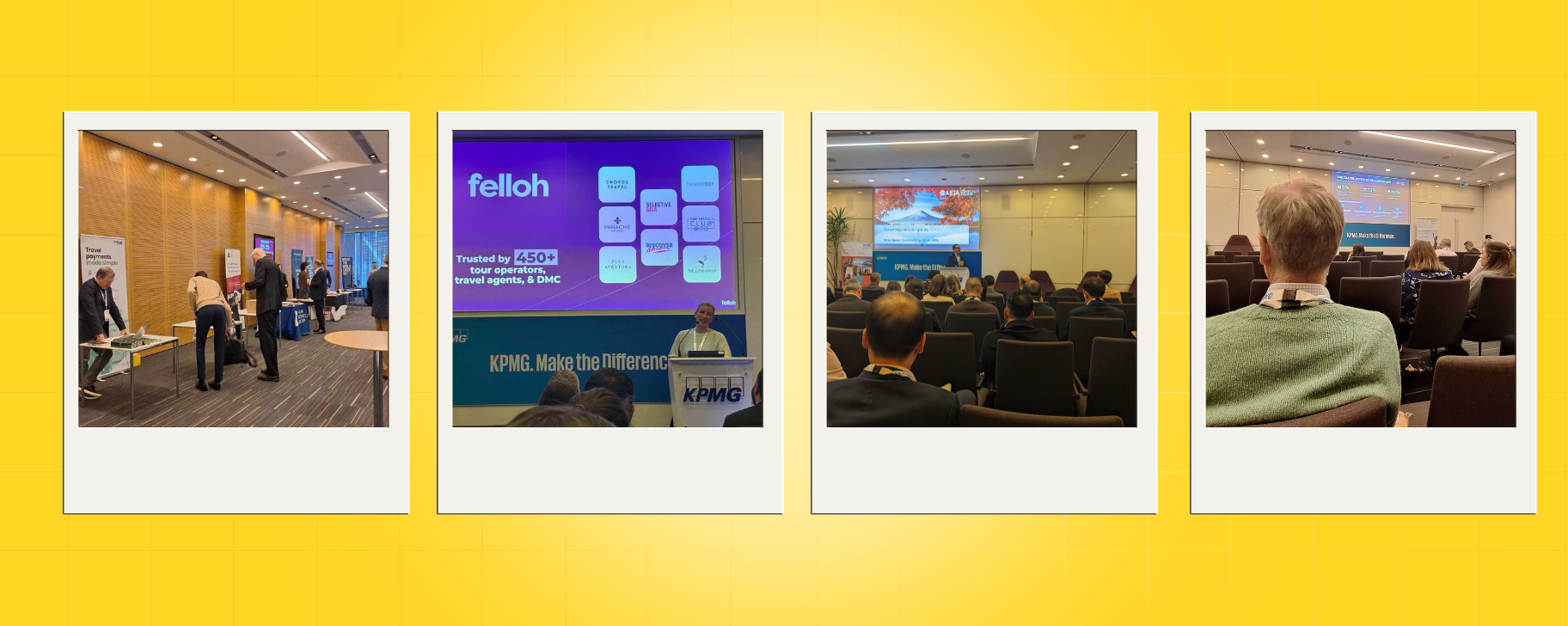
The finance director’s job has always been complex. But there’s a version of that complexity that’s manageable - and a version that quietly compounds until something breaks. The ABTA Finance Conference exists, in part, to help people tell the difference. Two days of honest conversation with operators, advisors and regulators left us with a clear view: the businesses that will navigate the next decade aren’t necessarily the ones with the biggest teams or the most sophisticated technology. They’re the ones whose data tells a coherent story - and who have built the infrastructure to act on it.
Siloed data is no longer just a manual inconvenience. It is a risk. And connectivity - between systems, between teams, between the numbers and the decisions they should be driving - is no longer a nice-to-have. It is the foundation.
Your cash has a story. Are you reading it?
Thanks to the insights from KPMG, Barclays and Xeinadin, the conference provided great food for thought on what impact the economy, trends and regulatory reform will have on your business:
- Interest rates are stabilising - but the near-zero environment of the 2010s isn’t coming back. For travel businesses holding cash against PTR or ATOL obligations, that changes the conversation from “is this money safe?” to “is this money earning what it should?” The businesses best placed to answer that question are the ones who know, in real time, exactly what they’re holding and why.
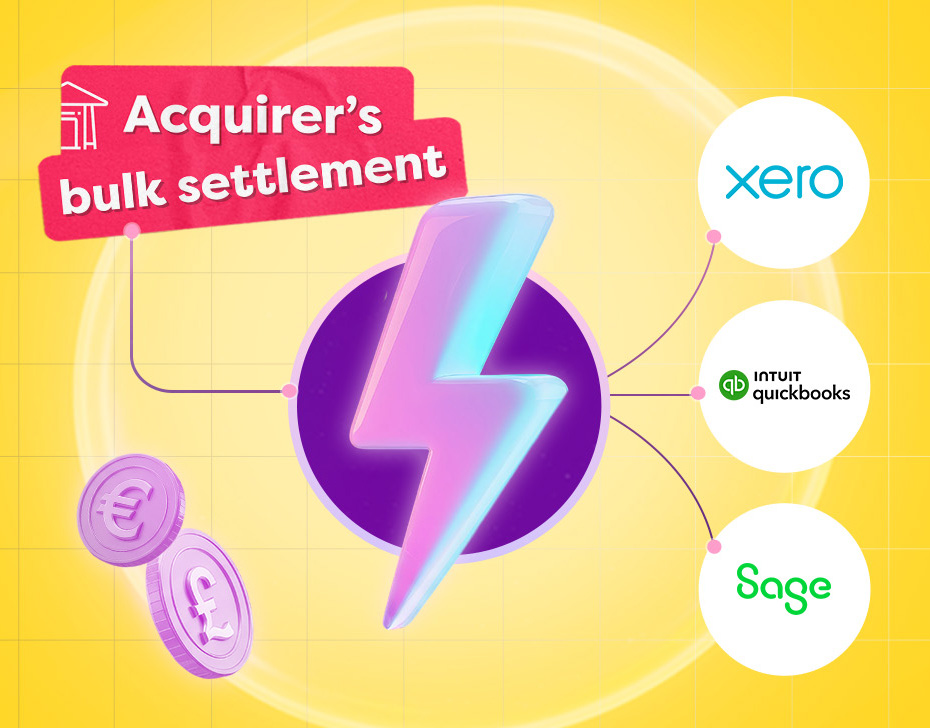
- Consumer spending data from Barclays is positive - credit card usage is rising, driven by demand for both payment flexibility and perceived greater consumer protection. That shift has margin implications that sit quietly in acquiring statements until someone looks properly. The changing cost is real, but potentially invisible.
- Cliff edges on the horizon for businesses approaching £10–20m in ATOL volumes - the stakes get sharper still! The CAA is paying closer attention to that bracket, and the escrow requirements that come with growth can function as a genuine cashflow cliff-edge. The businesses that navigate that transition well are the ones who can see it coming: who have the data to understand where they sit, what’s approaching, and how to manage the CAA relationship before they come knocking.
Models don’t lie. But they’re only as accurate as the data you feed them.
Travel Trade Consultancy’s Michael Alcock put it best: “Modelling isn’t an Excel file, it’s a scale replica of your business.”
Models fail not because of bad intentions but because the data feeding them is stale, siloed or inconsistent. If reconciliation is running a week behind, the model is already wrong. If booking data isn’t clean, the forecast isn’t either. Getting this right isn’t a finance team problem or a tech team problem. It’s a business problem - and it deserves to be treated as one.
The closing panel of senior finance leaders put a different lens on the same challenge. The CFO role has expanded - beyond the numbers, into technology, compliance, risk and culture. The phrase that stuck was “recruiting for curiosity”: you no longer want someone whose superpower is building the spreadsheet. You want someone who interrogates the output and turns it into strategy. That only works when the data underneath them is trustworthy.
“Ruthless Automation” and the case for curious finance teams -
On the Beach’s Aisha Anwar described their approach to finance transformation as “Ruthless Automation”. At scale, Excel breaks. Processes that relied on individuals knowing which number to look at become liabilities. The question isn’t whether to automate; it’s whether you understand your own logic well enough to do it safely. As covered in Caroline’s talk - and naturally we’re biased that she’s absolutely right (as always) - automation without understanding is a liability.
The goal isn’t to remove humans from finance - it’s to free them up to do the work that actually requires one. This is where felloh focuses its energy. Not just on the payments layer, but on working with finance teams to eliminate the manual overhead that’s blocking them from adding real value - and doing it in a way that’s explainable, auditable, and doesn’t create new risks in the process of solving old ones.
The risks have multiplied. Finance directors are now expected to hold risk across areas that weren’t traditionally theirs. Geopolitical exposure, changing compliance and financial risk of cybercrime - so many evolving unknowns - with increased responsibility, the only way finance teams can manage this is to delegate and automate the known.
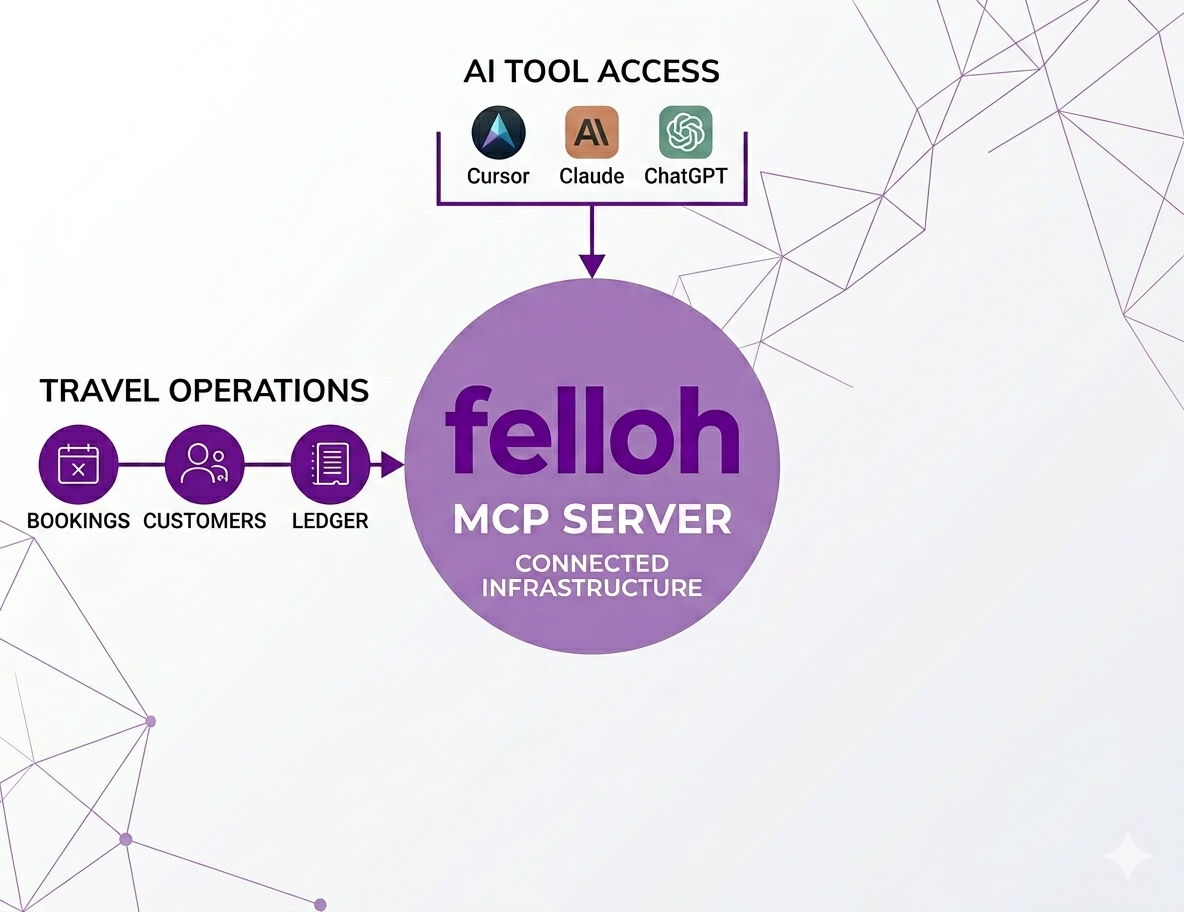
The finance teams that are going to thrive are the ones building a data infrastructure that tells a coherent story across all of it - cash, payments, compliance, risk, people. Not because it’s tidy, but because the alternative is making consequential decisions with an incomplete picture.
That’s the work. And it starts with taking connectivity seriously - not as an IT project, but as a business-critical decision.



.svg)

.png)
.svg)
.svg)




.png)
.png)

.png)

.png)
.svg)



.avif)


.png)


.png)
.png)
.png)