felloh started with a simple problem. Payments in travel are never just transactions. They sit across booking lifecycles, protection requirements, and multiple systems that all need to stay aligned over time. Deposits and balances are taken at different stages, bookings evolve, and customer funds often need to be tracked and protected with precision.
Most payment providers focus on moving money from A to B. They do that well, but leave the operational complexity around those payments to the business. From the beginning, felloh was built to handle that complexity as part of the system, not as an afterthought.
From payments to connectivity
Over time, working with more than 400 travel businesses, it has become clear that the core challenge is no longer just about processing payments. It is about how payments connect across an increasingly fragmented ecosystem.
Travel businesses operate across multiple systems:
- Booking platforms
- Sales tools
- Finance systems
- Back office workflows
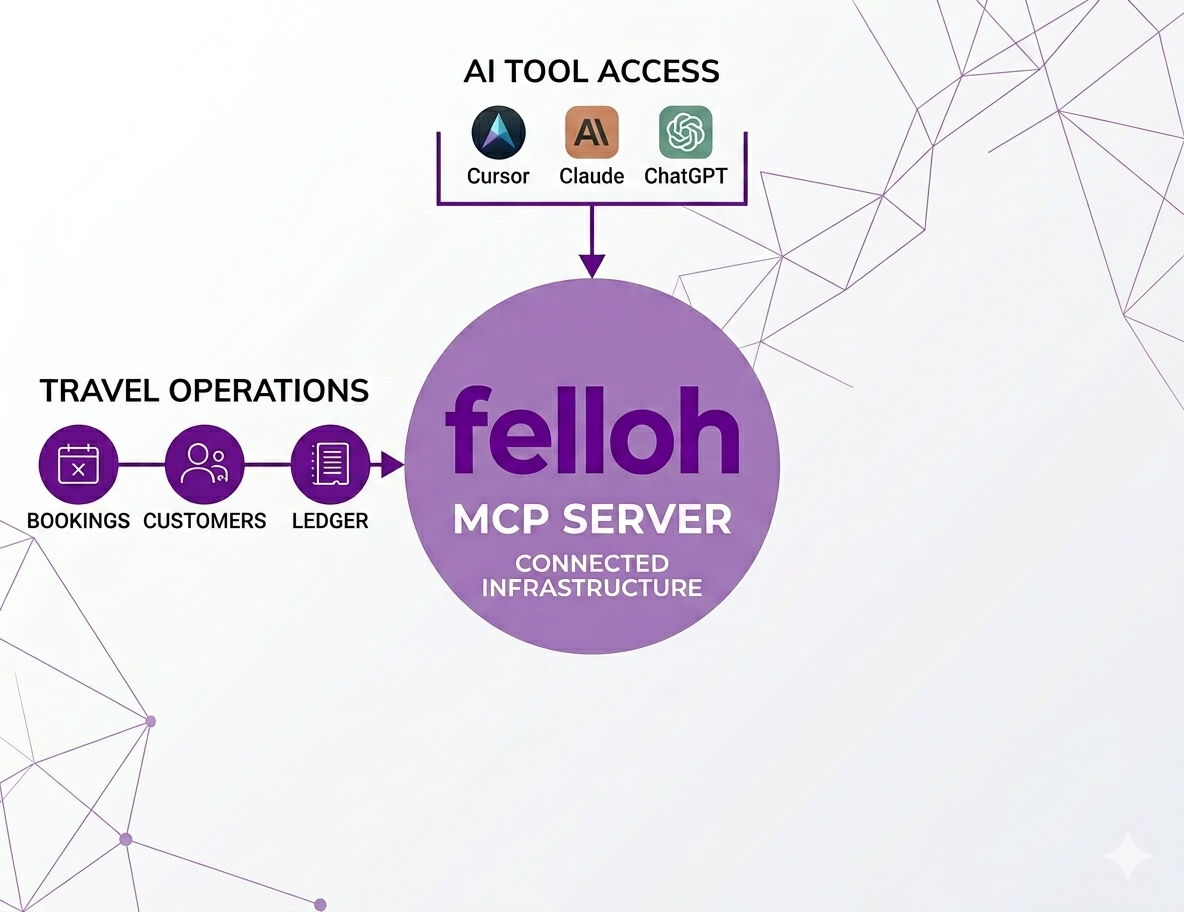
All of these need to stay in sync. Payments sit at the centre, linking commercial activity with financial reality. When those connections are weak or inconsistent, friction appears quickly.
Common examples include:
- Payments taken in one system not reflected correctly in another
- Manual reconciliation across multiple tools
- Limited visibility over customer funds as bookings change
- Fragmented data across trust or protection structures
As businesses scale, these gaps become more visible and more expensive to manage.
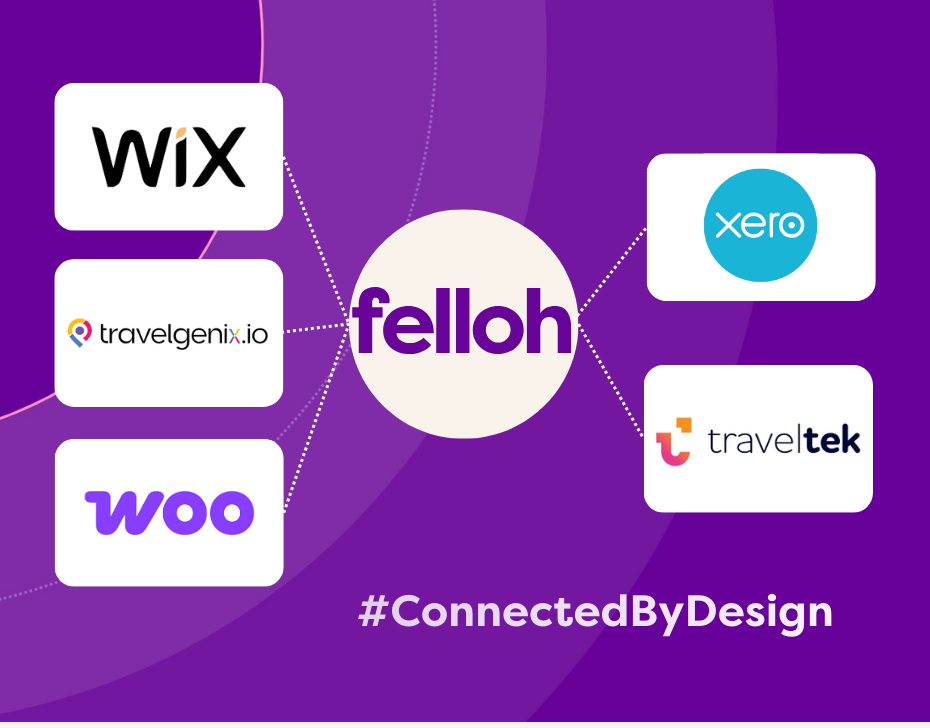
felloh’s role has evolved in response. Today, it acts as a connected layer that helps travel businesses synchronise how money moves across their systems.
Introducing felloh SDKs
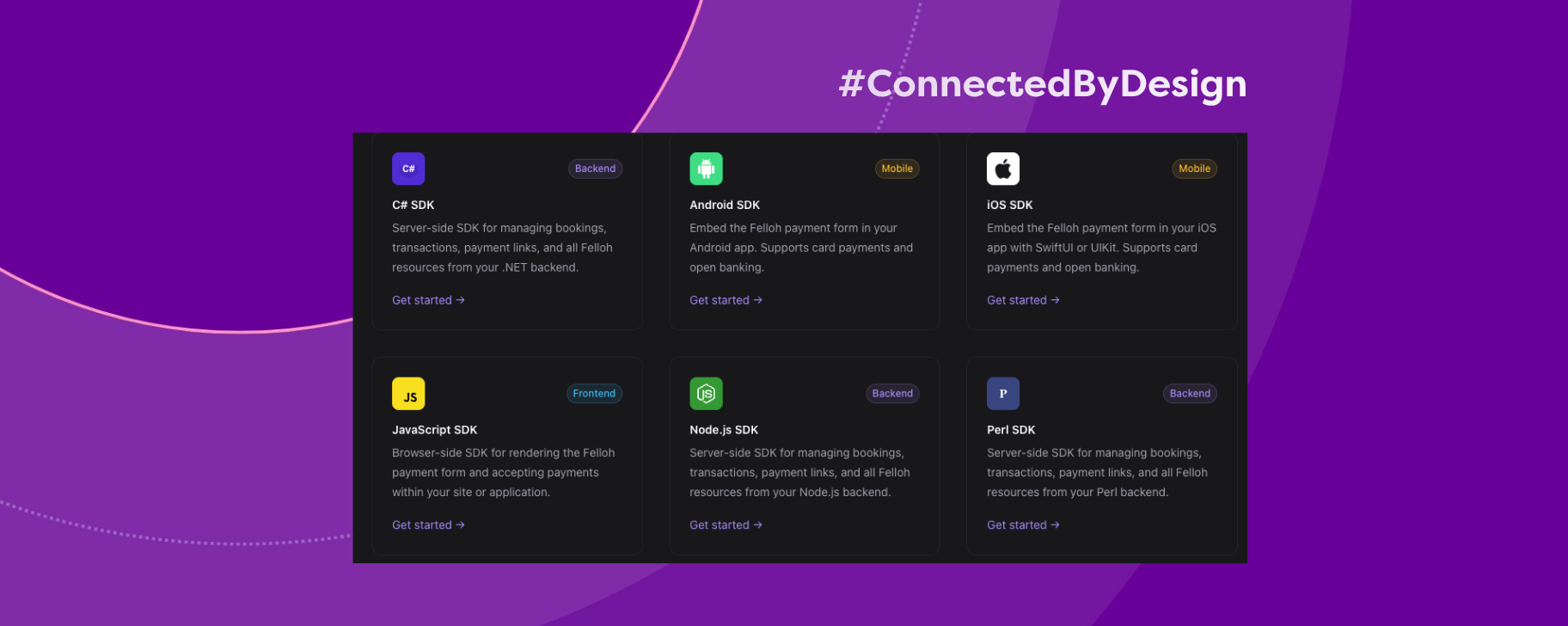
As part of this direction, we have introduced official SDKs to make it easier for developers to integrate felloh and extend that connectivity across their stack.
Until now, teams integrated directly with our API. While flexible, this required developers to manage:
- Authentication and session handling
- Request construction and validation
- Retries, failures, and edge cases
- Ongoing maintenance as systems evolve
For businesses operating across multiple systems, this work is often repeated across projects.
The SDKs provide a more structured alternative.
Backend SDKs are Available in:
- C#
- Node.js
- PHP
- Python
- Ruby
- Perl
They offer a language-native way to interact with felloh, reducing the need to rebuild the same integration layer each time.
In addition, we now provide frontend SDKs for React Native, Android, and iOS, extending felloh integration beyond backend systems into customer-facing experiences.
Built for real travel workflows
The SDKs are designed around how payments behave in travel, not as isolated events, but as part of a broader lifecycle.
They support use cases such as:
- Taking payments across multiple channels, from checkout to sales teams to manual processes
- Managing client funds within trust or protected structures
- Tracking transactions and payment states as bookings evolve
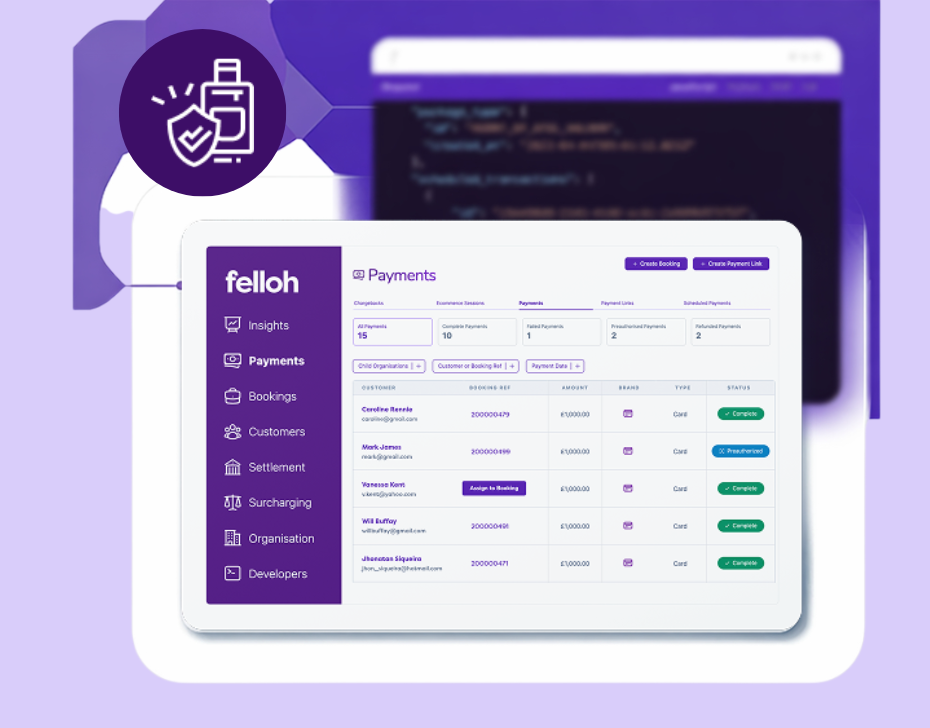
- Integrating payment data into booking systems and back office tools
The objective is consistency.
No matter where a payment originates, or which system it needs to flow into, the interaction model remains the same. This consistency is what allows systems to stay aligned as complexity increases.
From API access to integration layer
APIs provide access to functionality. They do not define how that functionality is implemented across a system landscape.
Without a shared abstraction, teams often:
- Rebuild API clients across different services
- Handle errors and edge cases inconsistently
- Introduce subtle differences in how payments are processed and recorded
Over time, these inconsistencies create operational friction.
The SDKs introduce a common integration layer that standardises how felloh is used across the stack. This reduces duplicated effort, improves consistency, and makes integrations easier to maintain.
The future is not more systems, it is better connections
This release reflects a broader shift in how we think about building infrastructure for travel.
As the ecosystem becomes more interconnected, the value lies not only in individual systems, but in how effectively they work together. Payments are one of the most critical points of connection across that ecosystem.
Improving how they are integrated is a key step toward reducing friction at scale.
Getting started
The SDKs are available now, alongside full documentation and examples:
developers.felloh.com


.svg)

.png)
.svg)
.svg)




.png)
.png)
.png)
.png)
.svg)


.png)
.avif)


.png)


.png)
.png)
.png)
.png)