How the Chillisauce operating story became felloh's booking-level money trail
In 2002, I started Chillisauce with a few people in a small office above an architect's firm in Noho, north London. We were selling activity weekends and group experiences.
We had energy, a product the market wanted, and very little else. Demand came quickly. The business grew faster than we expected, and very quickly we were learning the travel industry from the inside.
From the outside, growth looked like progress. From the inside, it exposed the real operating challenge in travel: every booking creates a money trail, and that trail is rarely simple.
Almost every product decision we have made at felloh traces back to lessons from that period.
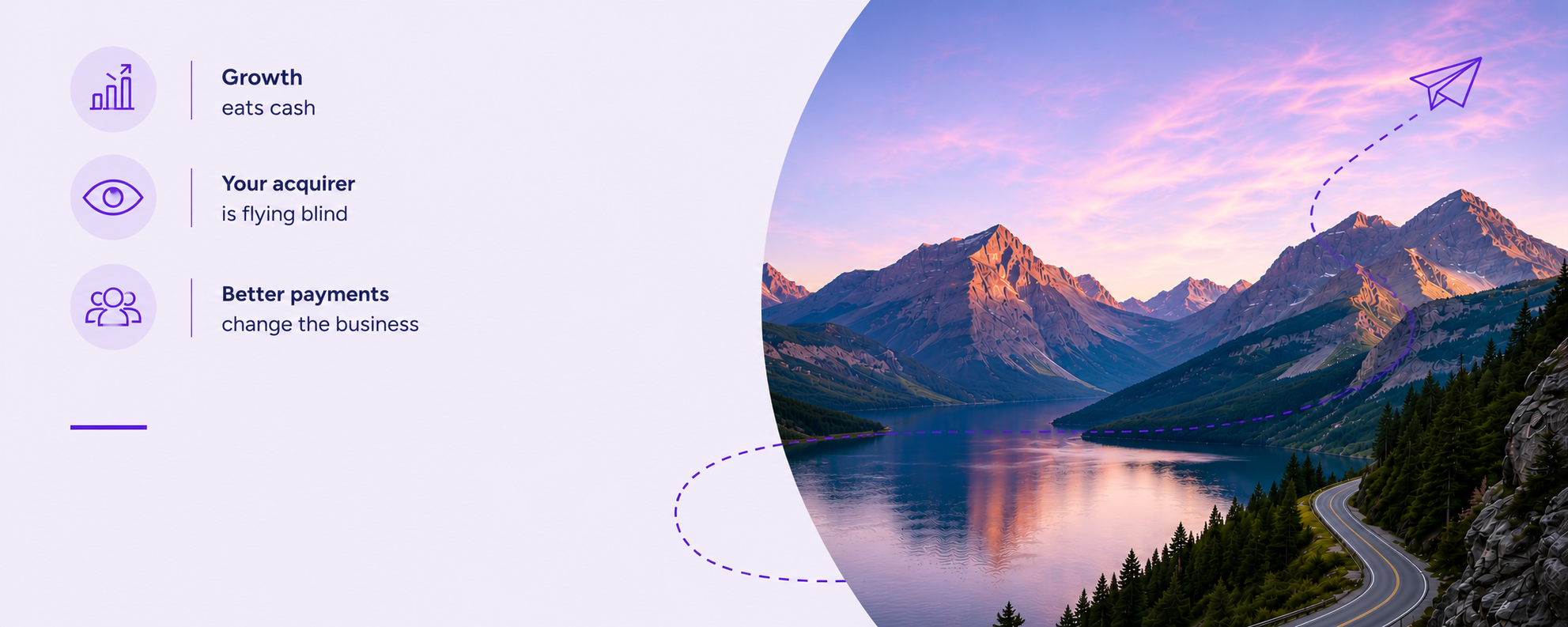
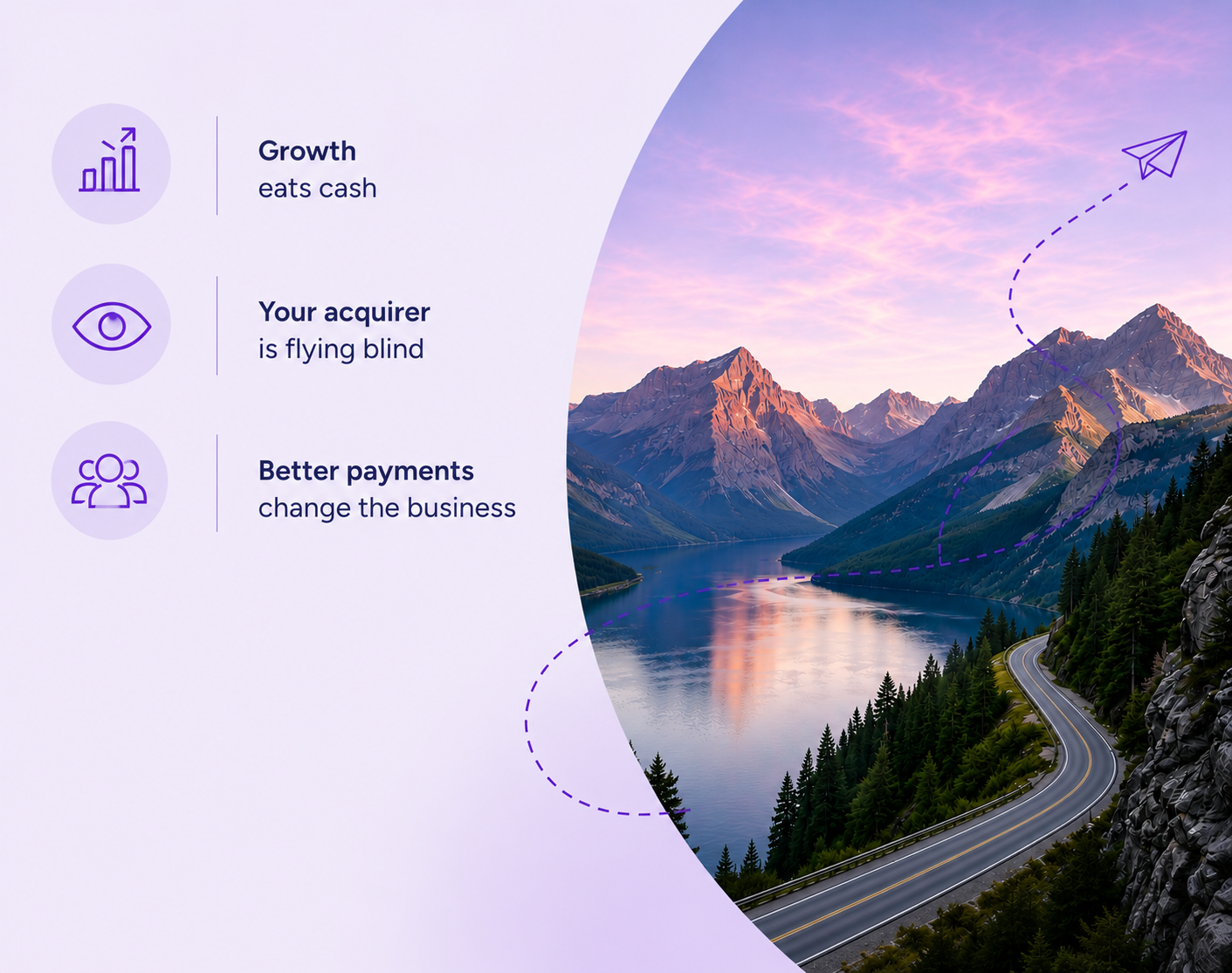
Lesson 1: growth eats cash
Here's what nobody tells you about scaling a tour operator from a standing start: the more successful you are, the more cash you need.
We were running a trust account, which meant customer money sat protected until departure. Good for the customer, good for the regulator, and right in principle.
The challenge was suppliers. We were a new business with no track record, so venues, hotels and activity providers quite reasonably wanted deposits up front and final balances before travel.
So every booking created a mismatch. Customer money came in, but it was then held in our trust account. Supplier obligations still had to be paid. The faster we sold, the faster working capital came under pressure.
That taught me that the bank balance is almost never the number that matters.
The real question is: for each booking, what has been paid, what is protected, what is committed to suppliers, what has settled, and what is actually available?
You can have £500k in the bank and still be heading into a difficult month if supplier payments, protected customer funds and balance collections do not line up. That is not theory. That is travel finance on an ordinary Tuesday.
Lesson 2: your acquirer is not the enemy, but they are flying blind
The second lesson came from the other side of the same problem.
Our merchant acquirer became nervous about the volume we were processing and considered withholding seven figures of our cash. From their perspective, that was rational. We were a fast-growing travel business taking customer money well in advance of travel. If we failed, they could be exposed to chargebacks and refunds.
What they could not see was the full picture.
We had significant customer money sitting in a trust account, protected for exactly the scenarios they were worried about. But to the acquirer, that protection was invisible. They saw card volume. They did not see the booking ledger, the trust position, the supplier commitments or the real liability picture.
Once we sat down and walked them through it, the conversation changed. Not because they had been unreasonable, but because for the first time everyone was looking at the same evidence.
That moment has stayed with me.
Credit risk in travel is often treated as a risk problem. Very often, it is a data problem. Acquirers, banks, insurers, bonding providers, trustees and regulators are making decisions with partial information. When they cannot see the booking-level money trail, they price for the worst-case version of the business.
Travel companies should be able to show the truth of their position on demand: the booking, the payment, the settlement, the protected funds, the supplier obligation and the reporting evidence behind it.
Lesson 3: a better payment experience changes the business itself
The third lesson was the one I did not expect.
Our customers often came to us in groups. The group leader had the worst job: chasing eight, ten or fifteen people for money, collecting it however they could, and then paying us. It was stressful for them and fragile for us, because it happened before the group was fully committed.
So we built a fix.
The group leader entered each attendee's email address. Each person received a link and paid their own share online, in their own time, on their own card.
Two things happened.
First, group sizes went up by one person on average. It was easier for us to send reminders than it was for the organiser, and easier for each traveller to pay their own manageable amount. One extra person per group, across thousands of groups, became a meaningful commercial uplift.
Second, cash arrived faster. Individual payments were easier to collect than one organiser chasing everyone manually. That fed straight back into the working capital problem.
Then we increased the deposit. Because each person was paying their own share, a higher deposit felt manageable. We collected more money, sooner, with less friction.
The lesson was that payment experience is not just UX. In travel, it is a commercial lever. It affects conversion, group size, deposit timing, cash flow and operational control.
Why this became felloh
Those three lessons are still the foundation of felloh.
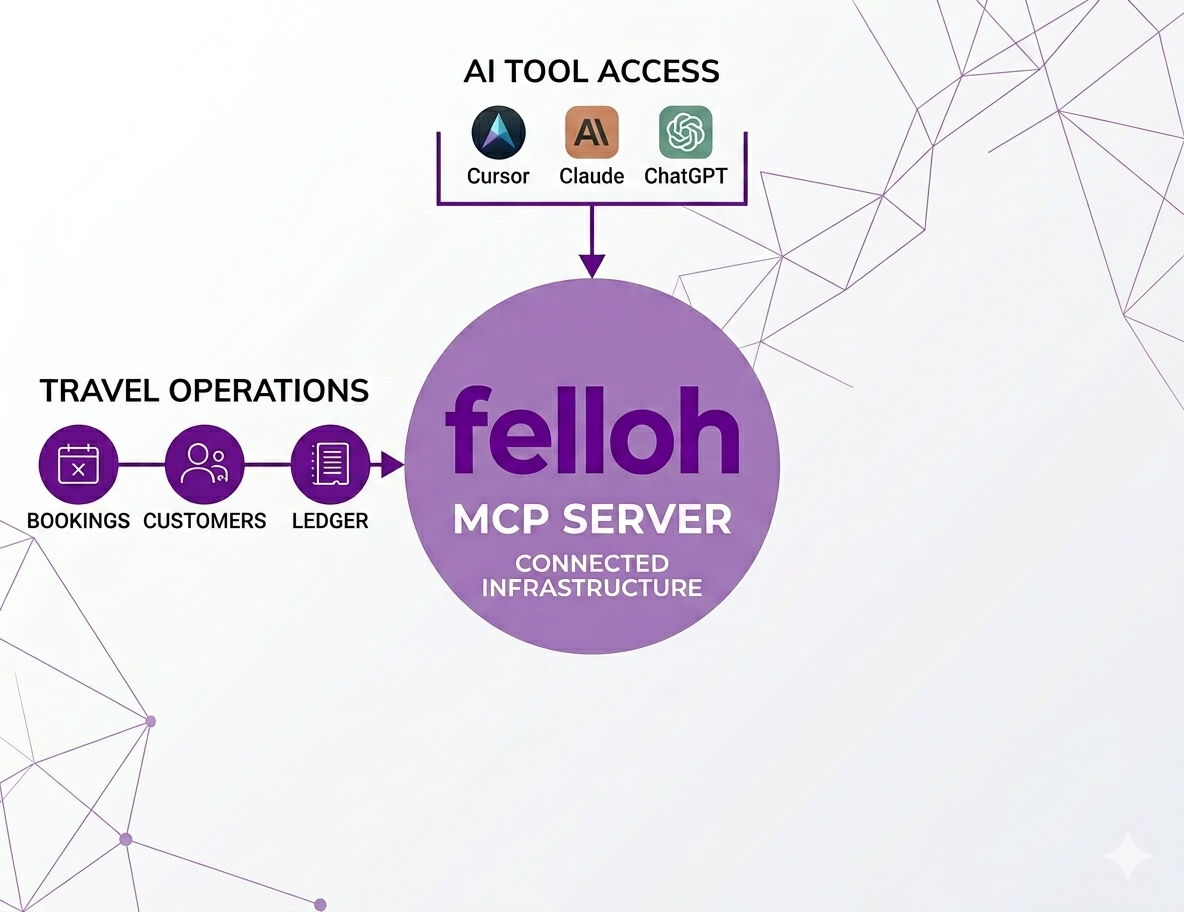
The first is why we care about booking-level financial control. Travel finance does not live in one place. It sits across booking systems, PSPs, acquirers, bank movements, trust accounts, supplier ledgers, escrow logic, reporting files and spreadsheets. felloh connects those fragments around the booking.
The second is why evidence matters. The travel businesses we work with do not just need to process payments. They need to explain the money trail to finance teams, acquirers, trustees, insurers, bond providers, regulators and boards.
The third is why the experience layer matters. Payment journeys are not cosmetic. Done well, they help bookings move forward, reduce chasing, improve collection timing and create cleaner data for finance.
That is the idea behind felloh: travel's financial operating system, built around the booking.
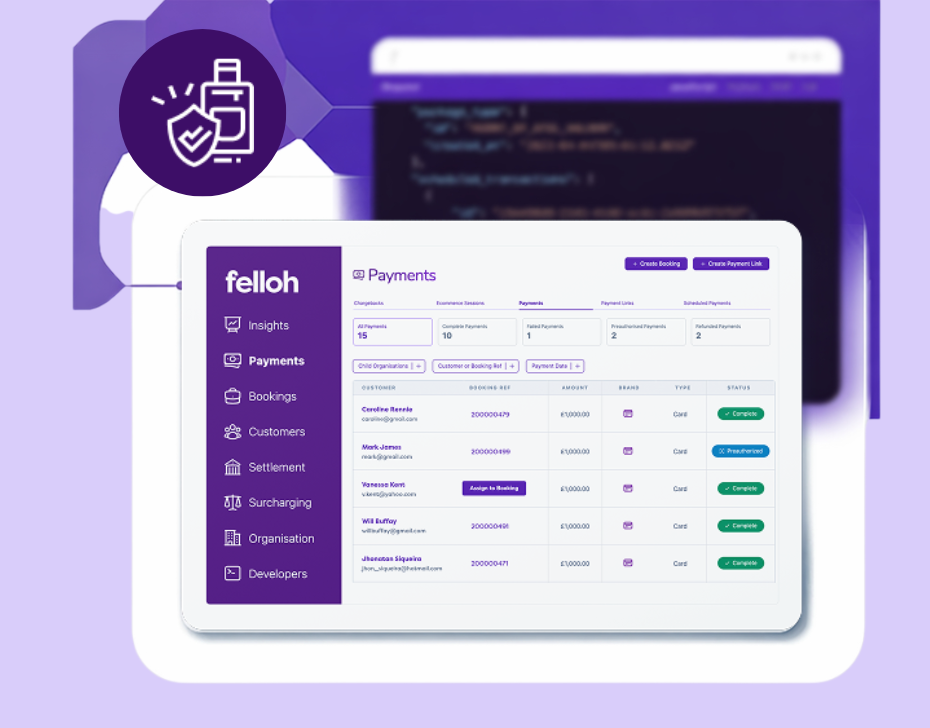
For every booking, finance should be able to see what has been paid, what has settled, what is protected, what is committed, what is reportable and what is available.
If I could send a message to my younger self walking up the stairs to that office in Noho, it would be this: the operational headaches are usually the commercial levers in disguise. Build for clarity, build for evidence, build around the booking. The rest gets easier.


.svg)

.png)
.svg)
.svg)




.png)
.png)
.png)
.png)
.svg)


.avif)


.png)


.png)
.png)
.png)