Introducing automatic TravelTek receipting
Travel operations are inherently complex
Travel businesses rarely run on a single system.
As they grow, technology stacks expand organically. Customer-facing booking platforms sit alongside sales tools, payment providers, finance systems, supplier platforms, and operational back offices. Each system plays a specific role, but none operate in isolation.
Over time, this creates an environment where:
- Bookings are created in different places
- Payments are taken through multiple channels
- Financial data moves across systems
- Operational teams rely on one system of record to stay in control
This complexity is normal in travel. It is also where friction quietly builds.
Where the friction usually appears
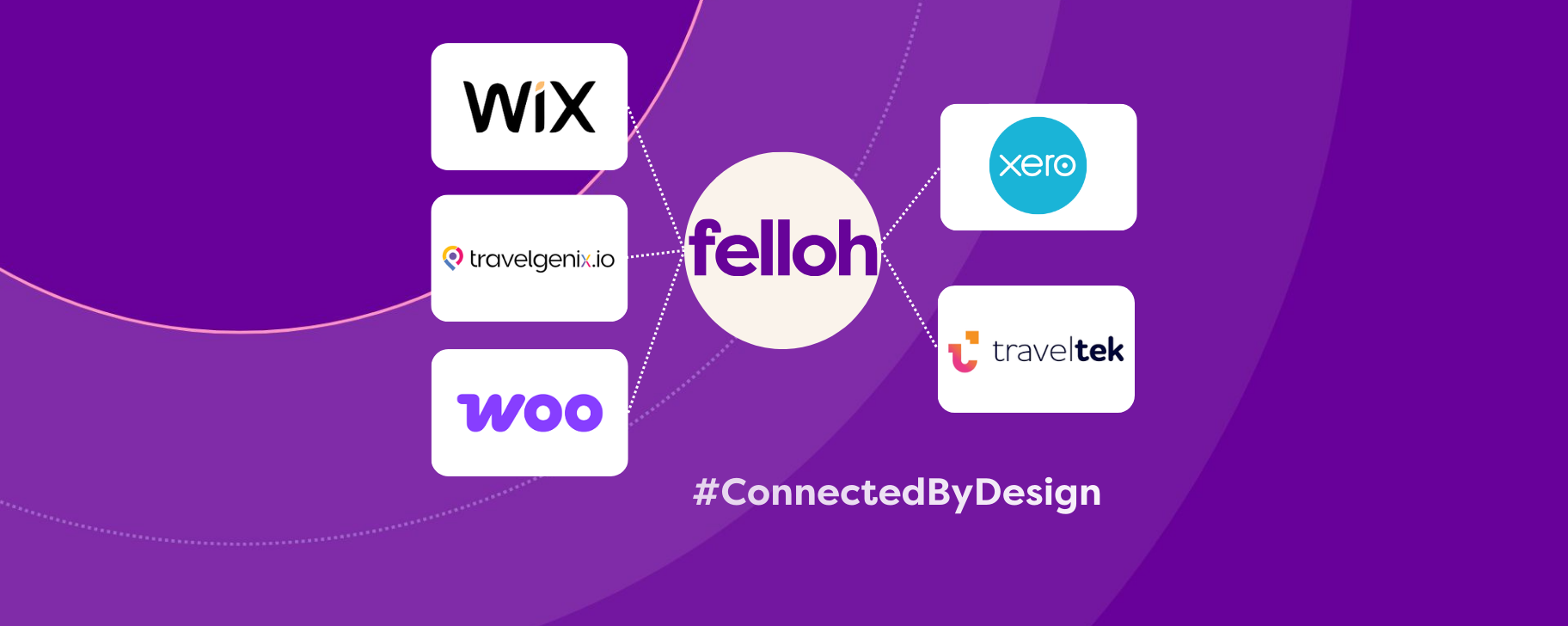
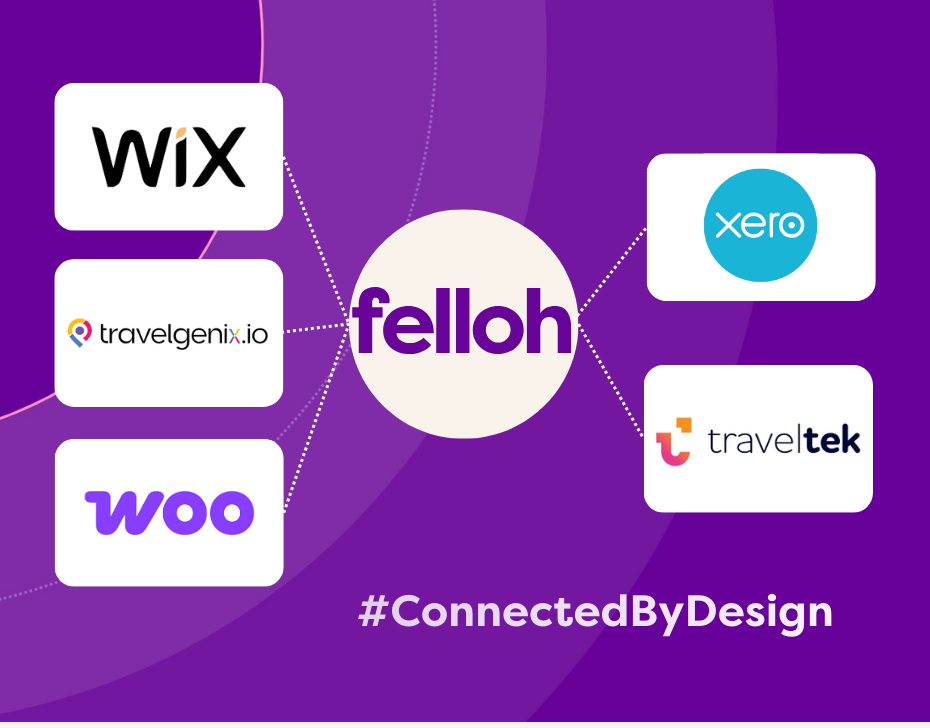
Most travel businesses eventually centralise operations and finance in a core back office platform, such as TravelTek.
At the same time, bookings may originate from:
- An e commerce website powered by TravelGenix
- Sales tools and assisted booking flows
- Manual or offline operational workflows
- Follow on balance payments taken after the initial booking
Each system does its job well. The challenge is keeping them aligned without adding manual work.
This is the point where payment data, reconciliation, and operational accuracy start to feel heavier than they should.
What is the TravelTek auto receipting integration
We have launched a new integration that automatically posts customer payments taken via felloh directly onto the correct booking inside TravelTek.
In simple terms, when a customer pays through felloh, the payment is automatically receipted against the matching TravelTek booking. No manual login, no searching for the booking, and no manual receipt creation.
It happens quietly in the background.
Why this was needed
The business that prompted this integration operates multiple booking flows, but relies on TravelTek as its single back office system.
Bookings can originate from:
- TravelGenix, their e commerce website
- SmartQuote, their quick quote and sales tool
- Manual bookings and operational adjustments
- Direct bank transfers for balance after initial deposits
All of these eventually land in TravelTek, which is used for booking management, operational oversight, finance, and reconciliation.
Before this integration, payments taken through felloh still required someone to log into TravelTek, find the correct booking, and manually create and post a receipt.
That manual step created friction, additional admin work, and unnecessary risk.
How the integration works
Every 15 minutes, felloh automatically:
- Checks for new payments that include a TravelTek booking reference, using the internal three letter booking prefix
- Calls the TravelTek API to locate the matching booking
- Checks whether a receipt already exists for that payment
If a receipt already exists, nothing happens. This prevents duplicate posting.
If no receipt exists, felloh automatically creates and posts the receipt into TravelTek.
The result is accurate, up to date financial records, without any manual intervention.
The operational impact
Before the integration:
- Payments were successfully processed
- Staff manually receipted each payment in TravelTek
- Each receipt typically took one to two minutes
With hundreds of payments per week, that added up to days of admin per month..
After the integration:
- Payments are automatically receipted
- No double posting
- No missed receipts
- Faster reconciliation
- Reduced operational overhead
Why this matters for multi channel businesses
When bookings come from multiple sources, consistency becomes the challenge.
With this integration in place, every payment tracked through felloh is now automatically and consistently recorded in TravelTek, regardless of where the booking originated.
Whether the booking started on an e commerce site, through a sales tool, or via a manual workflow, the financial record inside TravelTek stays clean and complete.
The bigger operational shift
At scale, travel businesses do not fail because their core systems are weak.
They struggle because the gaps between systems remain manual. Payments taken in one place, bookings managed in another, and finance teams left to reconcile the difference.
Reducing that friction changes how the business operates day to day.
When payment data flows cleanly into the back office, teams spend less time checking, correcting, and chasing. Finance gains confidence in the numbers. Operations gain consistency. Growth does not automatically mean more admin.
This is what good system integration looks like in practice.
In short
When a customer pays, their payment is automatically reflected against the correct booking in the system that matters most.
Less manual work. Fewer errors. A finance operation that scales without adding complexity.


.svg)

.png)
.svg)
.svg)




.png)
.png)



.svg)


.png)
.png)
.avif)


.png)


.png)

.png)